
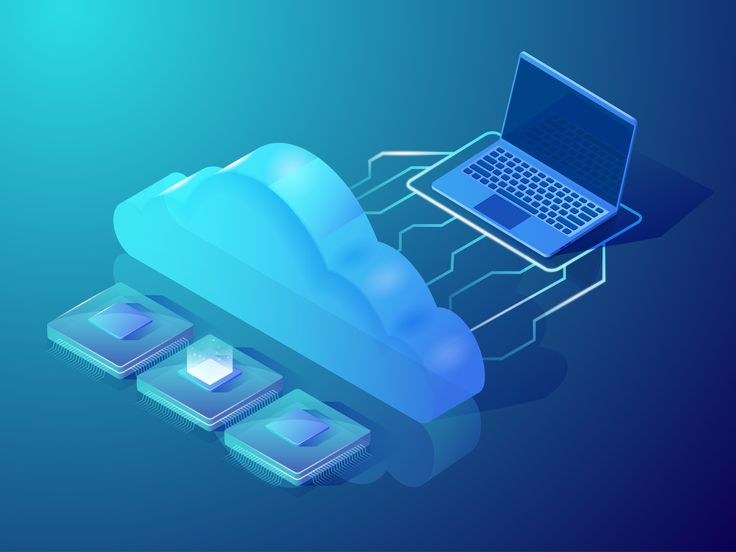
Cloud computing has become one of the most transformative technologies of the digital age. From streaming movies and backing up photos to powering global businesses, the cloud is everywhere. But what exactly is cloud computing—and why does it matter so much today?
This blog breaks down cloud computing in simple terms, explains how it works, and highlights why organizations and individuals rely on it more than ever.
What Is Cloud Computing?
Cloud computing refers to delivering computing services—such as storage, servers, databases, software, networking, and analytics—over the internet (“the cloud”) instead of relying on local hardware.
In simpler words:
You use powerful computing resources remotely, without owning or managing them yourself.
How Cloud Computing Works
At its core, cloud computing is powered by a network of remote servers hosted in large data centers around the world. These servers store data, run applications, and manage workloads.
Here’s how the process works:
1. Remote Servers Handle the Work
Instead of your computer handling everything, cloud servers perform tasks like processing data, storing files, or running software.
2. Internet Connects You to the Cloud
You access cloud services through a web browser, mobile app, or API. This makes resources available anytime, from anywhere.
3. On-Demand Resources
Cloud platforms provide scalable resources—meaning you can increase or decrease computing power based on your needs.
4. Pay-As-You-Go Model
You only pay for what you use, similar to electricity or water. This makes the cloud cost-efficient for both individuals and businesses.
Types of Cloud Computing Services
Cloud computing is usually divided into three main service models:
1. Infrastructure as a Service (IaaS)
Provides virtualized computing infrastructure such as servers, networks, and storage.
2. Platform as a Service (PaaS)
Offers a ready-made environment for developers to build and deploy apps without managing hardware.
3. Software as a Service (SaaS)
Delivers ready-to-use software accessible via the internet—like email services or CRM tools.
Cloud Deployment Models
Cloud computing isn’t “one size fits all.” Organizations choose from:
- Public Cloud – Shared infrastructure managed by cloud providers.
- Private Cloud – Dedicated infrastructure for a single organization.
- Hybrid Cloud – A mix of public and private cloud environments.
- Multi-Cloud – Using multiple cloud providers for flexibility.
Why Cloud Computing Matters Today
Cloud computing is essential because it brings speed, flexibility, and innovation.
1. Cost Efficiency
No need to invest in expensive hardware or maintenance—cloud providers handle it.
2. Scalability
Businesses can scale up during peak times and scale down when not needed.
3. Better Collaboration
Teams in different locations can access the same data and tools instantly.
4. Disaster Recovery & Backup
The cloud automatically protects data, ensuring quick recovery in emergencies.
5. High Performance
Cloud data centers use the latest hardware, offering better speed and reliability.
6. Security Enhancements
Modern cloud platforms invest heavily in encryption, identity management, and threat detection.
Real-World Applications of Cloud Computing
Cloud computing is integrated into countless real-world scenarios:
- Streaming services
- Social media platforms
- E-commerce websites
- Health monitoring systems
- Remote learning tools
- Gaming platforms
- Business analytics and AI models
Whether you’re uploading photos or running enterprise-level applications, cloud computing is working behind the scenes.
The Future of Cloud Computing
Emerging technologies like AI, IoT, blockchain, and edge computing are making the cloud even more powerful. As digital transformation accelerates, cloud computing will continue to be the foundation of innovation across industries.
Final Thoughts
Cloud computing is no longer optional—it’s essential. It simplifies business operations, drives innovation, reduces costs, and enables seamless digital experiences. By understanding how it works and why it matters, individuals and organizations can fully unlock the power of the cloud.


