
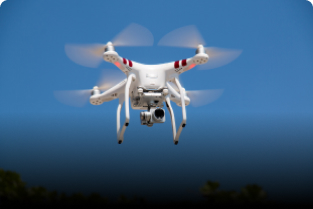
Drone engineering has rapidly evolved from a niche specialization into one of the most dynamic and impactful fields in modern technology. Whether used for aerial photography, defense, agriculture, logistics, or environmental monitoring, drones have become essential tools across multiple industries. As their adoption accelerates, so does the demand for skilled drone engineers who can design, build, and optimize these intelligent flying systems.
What Is Drone Engineering?
Drone engineering combines elements of aeronautical engineering, robotics, electronics, AI, and software development to create autonomous or remotely controlled aerial systems. Engineers in this field work on:
- Flight design and aerodynamics
- Hardware components (motors, sensors, frames)
- Navigation and control systems
- Autonomous flight software
- Safety, stability, and performance optimization
The result is a high-performance unmanned aerial vehicle (UAV) capable of performing complex tasks with precision.
Why Drone Engineering Is Rising So Quickly
1. Expanding Industrial Use Cases
Drones are now widely used in:
- Agriculture: crop monitoring, spraying, soil analysis
- Construction: mapping, land surveying, structure inspection
- Defense & Security: surveillance, reconnaissance, threat detection
- Delivery Services: last-mile logistics experiments
- Media: cinematography, photography
- Environmental Monitoring: wildlife tracking, pollution assessment
Each new application increases the need for engineers who can tailor drone systems to specific industry requirements.
2. Advances in Technology
Improvements in AI, machine learning, LiDAR, GPS accuracy, and battery technology are making drones smarter and more efficient. Engineering innovation is driving capabilities such as:
- Autonomous path planning
- Obstacle detection
- Intelligent flight modes
- Longer battery life
3. Government Investments & Regulations
Many countries are investing in drone infrastructure, research, and drone-friendly policies, creating a structured environment for growth.
Key Skills Required in Drone Engineering
Successful drone engineers typically specialize in several high-tech disciplines:
1. Aerodynamics & Mechanical Design
Understanding how air flows around the drone ensures efficiency, stability, and performance.
2. Electronics & Circuit Design
Building reliable hardware systems, from sensors to communication boards.
3. Programming & AI
Coding flight controllers, autonomy algorithms, and navigation software (e.g., Python, C++, ROS).
4. Data Analysis
Drones collect massive data sets; analyzing this data enhances decision-making in fields like agriculture and construction.
5. Problem-Solving & Innovation
Drone engineering requires constant experimentation, testing, and improving prototypes.
Career Opportunities in the Drone Industry
As the drone ecosystem expands, new job roles continue to emerge. Some exciting opportunities include:
1. Drone Design Engineer
Focuses on the physical structure, aerodynamics, and component integration.
2. UAV Software Engineer
Develops flight algorithms, automation, and control systems.
3. Robotics Engineer
Works on autonomous navigation, AI-driven decision systems, and sensor fusion.
4. Drone Test Pilot & Technician
Tests drones for safety, stability, and performance issues.
5. Data Analyst (Drone Applications)
Interprets aerial data for industries like agriculture, mining, and logistics.
6. Drone Operations Manager
Oversees commercial drone operations for businesses and government agencies.
With industries increasingly relying on aerial technologies, career prospects are expanding quickly, making drone engineering a lucrative and exciting path.
The Future of Drone Engineering
The future promises even more innovations:
- AI-powered fully autonomous drones
- Smart city integration for traffic monitoring and security
- Drone delivery networks
- Advanced swarm technology for coordinated missions
- Improved sustainability through solar-powered drones
As drones become more intelligent and efficient, the need for skilled engineers will only grow.
Final Thoughts
Drone engineering is no longer a futuristic concept—it’s an essential, fast-growing high-tech field offering excellent career opportunities. Whether you’re interested in robotics, AI, electronics, or aviation, drone engineering brings all these worlds together, making it one of the most exciting careers of the modern era.


