
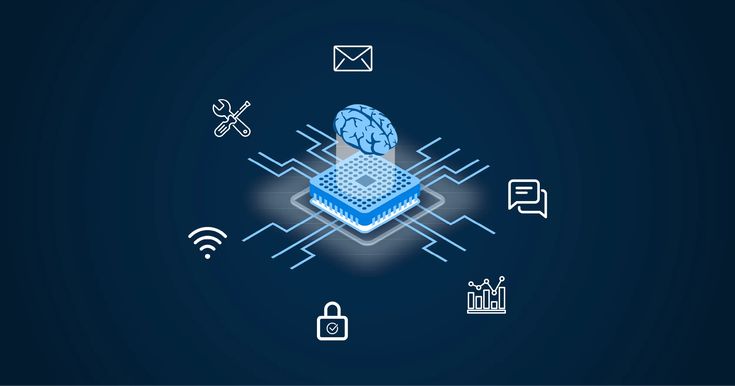
Embedded systems are the invisible engines powering almost every modern device—from smartwatches and medical instruments to cars and industrial robots. As technology evolves, embedded systems are becoming smarter, faster, and more connected. The future promises even more transformative changes driven by AI, IoT, automation, and advanced hardware platforms.
Let’s dive into the key trends, innovations, and challenges shaping the future of embedded systems.
1. AI-Driven Embedded Systems
Artificial Intelligence (AI) is no longer limited to large cloud servers. Today, AI models are being optimized to run directly on edge devices and embedded hardware.
Key Impacts:
- Real-time decision-making
- Improved automation
- Enhanced performance with low latency
Use Cases:
- Smart home devices
- Autonomous drones
- Predictive maintenance sensors
Embedded AI opens doors for applications where real-time response is critical.
2. Growth of IoT and Connected Devices
The fusion of IoT and embedded systems will continue to revolutionize industries. Billions of devices are now connected, enabling data exchange, monitoring, and remote control.
Future Opportunities:
- Smarter appliances
- Self-optimizing industrial machines
- Advanced healthcare monitoring
Platforms like the Arduino ecosystem and Raspberry Pi Foundation continue to fuel innovation by making IoT experimentation more accessible.
3. Rise of Edge Computing
Instead of sending all data to the cloud, embedded devices increasingly process information locally using edge computing.
Why this matters:
- Faster response times
- Better data privacy
- Reduced bandwidth usage
Edge computing is essential for sectors like autonomous vehicles and smart manufacturing.
4. Autonomous and Real-Time Systems
Real-time embedded systems will become more sophisticated, especially in critical applications such as:
- Self-driving cars
- Medical devices
- Defense systems
- Robotics
These systems require ultra-reliable decision-making within microseconds.
5. Low-Power and Energy-Efficient Designs
As embedded devices become more pervasive, minimizing power consumption is becoming a top priority.
Innovations Include:
- Battery-efficient microcontrollers
- Energy harvesting technologies
- Ultra-low-power sensors
These improvements are crucial for IoT devices expected to run unattended for years.
6. Enhanced Security for Embedded Devices
Security remains one of the biggest challenges in embedded systems.
Key Concerns:
- Firmware vulnerabilities
- Network attacks
- Weak authentication
With devices connected worldwide, the need for robust embedded cybersecurity is more urgent than ever.
Challenges Ahead
While the future of embedded systems is promising, several obstacles must be addressed:
1. Complexity of Development
Hardware–software integration is becoming more challenging as systems grow in sophistication.
2. Security Risks
More connectivity = more vulnerability.
3. Limited Computational Resources
Running AI or advanced analytics on small microcontrollers remains difficult.
4. Cost Pressures
More features must fit into smaller, cheaper chips.
Conclusion
The future of embedded systems is bright, driven by innovations in AI, IoT, edge computing, and automation. Despite challenges like security and increasing complexity, embedded systems will continue to evolve—powering smarter, more autonomous, and more efficient devices across all industries.


