
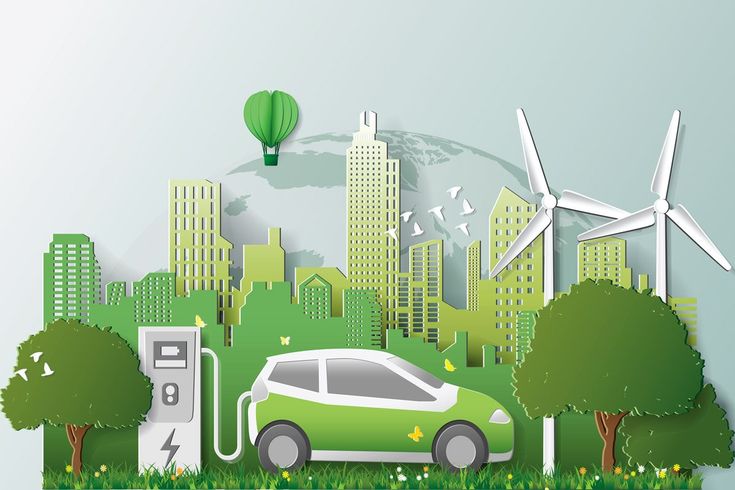
The transportation industry is undergoing one of the most significant transformations in its history. As concerns about climate change, fuel costs, and environmental sustainability continue to grow, hybrid and electric vehicles (EVs) have emerged as key solutions for the future of mobility. Once considered niche technologies, these vehicles are now becoming mainstream, driven by advances in battery technology, government incentives, and increasing consumer awareness.
Hybrid and electric vehicles are not only changing how people travel but also reshaping the automotive industry, urban infrastructure, and global energy systems. In this blog, we’ll explore the evolution, benefits, challenges, and future prospects of hybrid and electric vehicles.
Understanding Hybrid and Electric Vehicles
What Are Hybrid Vehicles?
Hybrid vehicles combine a traditional internal combustion engine (ICE) with one or more electric motors. The vehicle can switch between or combine these power sources to maximize efficiency and reduce fuel consumption.
Types of Hybrid Vehicles:
- Mild Hybrid Vehicles (MHEVs)
- Full Hybrid Vehicles (HEVs)
- Plug-in Hybrid Electric Vehicles (PHEVs)
Hybrid vehicles offer improved fuel efficiency while reducing emissions compared to conventional gasoline-powered cars.
What Are Electric Vehicles?
Electric vehicles operate entirely on electricity stored in rechargeable batteries. Unlike traditional vehicles, EVs do not use gasoline or diesel and produce zero tailpipe emissions.
Common Types of Electric Vehicles:
- Battery Electric Vehicles (BEVs)
- Plug-in Hybrid Electric Vehicles (PHEVs)
- Fuel Cell Electric Vehicles (FCEVs)
Electric vehicles rely on charging stations and advanced battery systems to power their operations.
Why Hybrid and Electric Vehicles Are Gaining Popularity
Several factors are contributing to the growing adoption of hybrid and electric vehicles worldwide.
Environmental Benefits
One of the biggest advantages of EVs and hybrids is their reduced environmental impact. Traditional vehicles emit greenhouse gases that contribute to air pollution and climate change. Electric vehicles produce no tailpipe emissions, while hybrids significantly reduce fuel consumption.
Lower Operating Costs
Although EVs may have higher initial purchase prices, they often cost less to operate and maintain. Electricity is generally cheaper than gasoline, and electric motors have fewer moving parts, reducing maintenance expenses.
Government Incentives
Many governments offer tax credits, rebates, and subsidies to encourage the adoption of electric vehicles. Investments in charging infrastructure are also making EV ownership more convenient.
Technological Advancements
Modern battery technology has improved significantly, leading to:
- Longer driving ranges
- Faster charging times
- Better energy efficiency
- Lower battery costs
These advancements are making electric vehicles more practical for everyday use.
Key Benefits of Hybrid and Electric Vehicles
1. Reduced Carbon Emissions
Hybrid and electric vehicles help reduce the transportation sector’s carbon footprint, supporting global sustainability goals.
2. Improved Energy Efficiency
Electric motors convert a higher percentage of energy into motion compared to internal combustion engines, resulting in greater efficiency.
3. Quieter Driving Experience
Electric vehicles operate with minimal noise, providing a smoother and more comfortable driving experience.
4. Reduced Dependence on Fossil Fuels
By relying on electricity, EVs help decrease dependence on finite fossil fuel resources.
5. Enhanced Driving Performance
Many electric vehicles offer instant torque, resulting in faster acceleration and responsive handling.
Challenges Facing Hybrid and Electric Vehicles
Despite their many advantages, several challenges remain.
Charging Infrastructure
While charging networks are expanding rapidly, charging stations are still less widespread than traditional fuel stations in many regions.
Battery Production and Recycling
Battery manufacturing requires significant resources, including lithium, cobalt, and nickel. Sustainable sourcing and recycling remain important industry concerns.
Initial Purchase Cost
Although prices continue to decline, electric vehicles are often more expensive upfront than conventional vehicles.
Range Anxiety
Some consumers worry about running out of battery power before reaching a charging station, though improvements in battery technology are gradually addressing this issue.
Emerging Technologies Shaping the Future
The future of mobility is being driven by continuous innovation.
Solid-State Batteries
Solid-state batteries promise:
- Higher energy density
- Faster charging
- Longer lifespan
- Improved safety
These batteries could significantly improve EV performance and affordability.
Autonomous Driving
Many automakers are combining electric vehicle technology with autonomous driving systems to create safer and more efficient transportation.
Vehicle-to-Grid (V2G) Technology
V2G technology allows electric vehicles to send stored electricity back to the power grid, helping stabilize energy demand and improve grid efficiency.
Smart Charging Solutions
Artificial intelligence and smart energy management systems are making charging more efficient and cost-effective.
The Impact on Cities and Transportation
Hybrid and electric vehicles are influencing urban planning and transportation systems.
Cleaner Cities
Reduced emissions contribute to improved air quality and healthier urban environments.
Smart Transportation Networks
Connected vehicles can communicate with infrastructure, helping optimize traffic flow and reduce congestion.
Sustainable Public Transportation
Electric buses, taxis, and delivery vehicles are becoming increasingly common, supporting greener public transportation systems.
Career Opportunities in the EV Industry
The rapid growth of the electric vehicle sector is creating new career opportunities in areas such as:
- Automotive engineering
- Battery technology
- Software development
- Charging infrastructure management
- Renewable energy integration
- Data analytics and AI
As demand for EVs continues to increase, skilled professionals will be needed to support innovation and development.
The Road Ahead
Industry experts predict that hybrid and electric vehicles will play a dominant role in the future transportation ecosystem. Improvements in battery technology, expanding charging networks, and supportive government policies are expected to accelerate adoption worldwide.
Many major automakers have already committed to expanding their electric vehicle portfolios, with some planning to phase out gasoline-powered vehicles entirely in the coming decades.
Conclusion
Hybrid and electric vehicles represent a major step toward a cleaner, smarter, and more sustainable future. By reducing emissions, improving energy efficiency, and embracing advanced technologies, these vehicles are transforming how people travel and interact with transportation systems. While challenges such as charging infrastructure and battery production remain, ongoing innovation continues to address these issues.


