
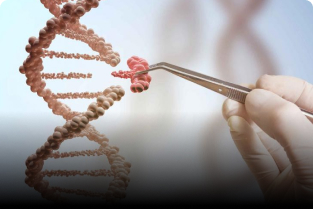
Science has always sought to understand the building blocks of life. Today, two groundbreaking fields—genetic engineering and nanotechnology—are helping researchers unlock biological mysteries with unprecedented precision. By combining the power to modify genes with the ability to manipulate matter at the nanoscale, scientists are creating innovative solutions to some of humanity’s greatest challenges, from treating diseases to improving food security.
Understanding Genetic Engineering
Genetic engineering is the process of altering an organism’s DNA to achieve desired traits or outcomes. Scientists can add, remove, or modify genes to enhance specific characteristics in plants, animals, and even humans.
Applications of genetic engineering include:
- Developing disease-resistant crops
- Producing life-saving medications such as insulin
- Treating genetic disorders through gene therapy
- Improving livestock productivity
- Advancing personalized medicine
Recent advancements in gene-editing technologies have made genetic modifications more accurate and efficient, opening new possibilities for healthcare and biotechnology.
What Is Nanotechnology?
Nanotechnology involves working with materials and devices at the nanometer scale—one billionth of a meter. At this tiny scale, materials often exhibit unique physical, chemical, and biological properties that can be harnessed for various applications.
Key applications of nanotechnology include:
- Targeted drug delivery systems
- Advanced medical imaging
- Water purification technologies
- High-performance electronics
- Smart materials and sensors
Nanotechnology allows scientists to interact with biological systems at the molecular level, making it a powerful tool for innovation.
The Convergence of Genetic Engineering and Nanotechnology
The combination of genetic engineering and nanotechnology is creating a new frontier in science. Together, these technologies enable researchers to diagnose, treat, and prevent diseases more effectively than ever before.
Targeted Gene Delivery
One of the major challenges in gene therapy is delivering genetic material safely and efficiently to specific cells. Nanoparticles can act as carriers, transporting therapeutic genes directly to target tissues while minimizing side effects.
Precision Medicine
Nanotechnology enables the development of highly sensitive diagnostic tools capable of detecting diseases at an early stage. When combined with genetic analysis, healthcare providers can create personalized treatment plans tailored to an individual’s genetic profile.
Cancer Treatment
Researchers are developing nanocarriers that deliver gene-based therapies directly to cancer cells. This targeted approach increases treatment effectiveness while reducing damage to healthy tissues.
Regenerative Medicine
Genetic engineering and nanotechnology are being used to repair damaged tissues and promote cell regeneration. These innovations could transform the treatment of injuries, organ failure, and degenerative diseases.
Impact on Agriculture
The integration of these technologies is also transforming agriculture. Genetically engineered crops can be enhanced for higher yields, drought resistance, and improved nutritional value. Nanotechnology contributes through smart fertilizers, precision pesticide delivery, and advanced monitoring systems that help farmers optimize crop production while reducing environmental impact.
Ethical and Safety Considerations
While the potential benefits are enormous, genetic engineering and nanotechnology also raise important ethical and safety questions.
Some concerns include:
- Potential unintended genetic changes
- Long-term environmental impacts
- Privacy issues related to genetic information
- Regulatory challenges
- Equitable access to advanced technologies
Scientists, policymakers, and society must work together to ensure these innovations are developed responsibly and ethically.
The Future of Nano-Genetics
The future of genetic engineering and nanotechnology is filled with exciting possibilities. Researchers envision a world where genetic diseases can be corrected before symptoms appear, cancers can be treated with pinpoint accuracy, and agricultural systems can sustainably feed a growing global population.
As technology continues to advance, the fusion of these two disciplines may lead to breakthroughs that were once considered science fiction. From personalized healthcare to environmental sustainability, genetic engineering and nanotechnology are helping humanity unlock the secrets of life itself.
Conclusion
Genetic engineering and nanotechnology represent two of the most transformative scientific fields of our time. Together, they offer powerful tools for improving health, agriculture, and industry while expanding our understanding of life at its most fundamental level. As research progresses, these technologies will continue to shape the future, providing innovative solutions to global challenges and opening new doors to scientific discovery.


