
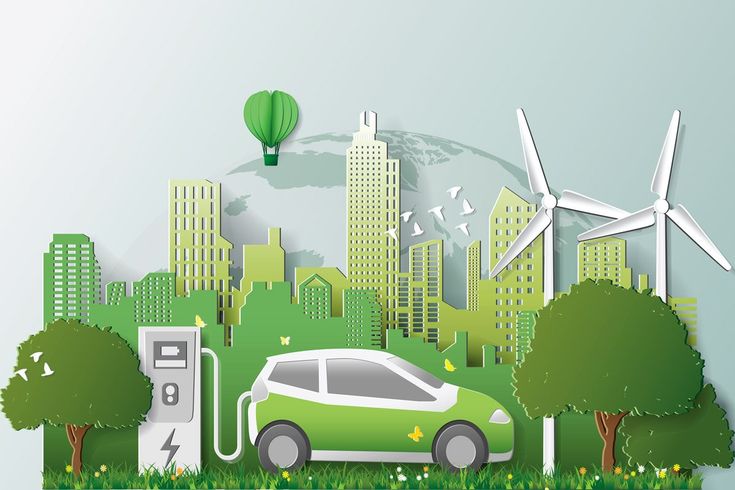
The automotive industry is undergoing a major transformation as hybrid and electric vehicles (EVs) become increasingly popular around the world. Growing concerns about climate change, rising fuel prices, and advancements in battery technology have encouraged consumers and manufacturers to embrace cleaner transportation alternatives. Hybrid and electric vehicles offer numerous advantages, but they also come with certain challenges that must be addressed for widespread adoption.
Understanding both the benefits and limitations of these vehicles can help consumers make informed decisions and provide insight into the future of sustainable mobility.
Understanding Hybrid and Electric Vehicles
Before exploring their advantages and disadvantages, it is important to understand the difference between hybrid and electric vehicles.
Hybrid Vehicles
Hybrid vehicles combine a traditional internal combustion engine with an electric motor and battery. The vehicle can switch between the two power sources or use both simultaneously to improve fuel efficiency and reduce emissions.
Electric Vehicles (EVs)
Electric vehicles rely entirely on electric motors powered by rechargeable batteries. They produce no tailpipe emissions and are charged using electricity from charging stations or home charging systems.
Both technologies aim to reduce dependence on fossil fuels and create a more environmentally friendly transportation system.
Benefits of Hybrid and Electric Vehicles
1. Reduced Environmental Impact
One of the most significant benefits of hybrid and electric vehicles is their ability to reduce greenhouse gas emissions.
Electric vehicles produce zero tailpipe emissions, helping improve air quality in cities and reducing the environmental impact of transportation. Hybrid vehicles also emit fewer pollutants than conventional gasoline-powered vehicles because they use less fuel.
As more countries transition to renewable energy sources, the environmental benefits of EVs are expected to increase even further.
2. Lower Fuel Costs
Electricity is generally less expensive than gasoline or diesel fuel. EV owners can save a considerable amount on fuel expenses over time.
Hybrid vehicles also reduce fuel consumption by using electric power during low-speed driving and stop-and-go traffic, resulting in improved fuel economy.
For frequent drivers, these savings can significantly lower overall transportation costs.
3. Lower Maintenance Requirements
Electric vehicles have fewer moving parts compared to traditional vehicles. They do not require oil changes, and many components experience less wear and tear.
As a result, EV owners often face lower maintenance costs throughout the vehicle’s lifespan.
Hybrid vehicles also benefit from reduced engine usage, which can contribute to lower maintenance needs compared to conventional vehicles.
4. Improved Energy Efficiency
Electric motors are highly efficient and convert a larger percentage of energy into movement than internal combustion engines.
This efficiency allows electric vehicles to maximize energy usage and deliver excellent performance while consuming less energy overall.
5. Government Incentives and Support
Many governments encourage the adoption of hybrid and electric vehicles through incentives such as tax credits, rebates, reduced registration fees, and subsidies for charging infrastructure.
These incentives can help offset the initial purchase cost and make environmentally friendly vehicles more accessible.
6. Quiet and Smooth Driving Experience
Electric vehicles provide a quiet and smooth ride because electric motors generate less noise and vibration than traditional engines.
Many drivers appreciate the enhanced comfort and responsiveness that EVs offer.
Challenges of Hybrid and Electric Vehicles
1. Higher Initial Purchase Price
One of the biggest barriers to adoption is the higher upfront cost of hybrid and electric vehicles.
Although operating costs are often lower, the purchase price can be significantly higher than comparable gasoline-powered vehicles due to expensive battery technology.
However, declining battery costs are gradually making EVs more affordable.
2. Limited Charging Infrastructure
While charging networks continue to expand, access to charging stations remains a challenge in some regions.
Drivers may experience difficulty finding convenient charging locations, particularly in rural areas or during long-distance travel.
Expanding charging infrastructure is critical for encouraging wider EV adoption.
3. Charging Time
Refueling a conventional vehicle takes only a few minutes, whereas charging an electric vehicle can take considerably longer.
Although fast-charging technology has improved significantly, charging times still vary depending on battery size and charger type.
This can be inconvenient for drivers who frequently travel long distances.
4. Driving Range Concerns
Many consumers worry about running out of battery power before reaching a charging station, a concern commonly known as “range anxiety.”
While modern EVs offer increasingly longer driving ranges, this concern remains a factor for some potential buyers.
Advances in battery technology are helping address this issue by extending vehicle range and improving charging speed.
5. Battery Production and Recycling Challenges
Although electric vehicles reduce emissions during operation, battery production requires significant amounts of raw materials such as lithium, cobalt, and nickel.
Mining these materials can have environmental and social impacts. Additionally, effective battery recycling systems are still being developed to manage end-of-life batteries responsibly.
6. Electricity Source Dependency
The environmental benefits of EVs depend partly on how electricity is generated.
In regions where electricity comes primarily from coal or other fossil fuels, the overall emissions reduction may be lower compared to areas powered by renewable energy sources.
Increasing the use of clean energy is essential to maximizing the sustainability of electric transportation.
The Future of Hybrid and Electric Vehicles
The future of transportation is increasingly focused on electrification. Governments, automotive manufacturers, and technology companies are investing heavily in research and development to improve battery performance, charging infrastructure, and vehicle affordability.
Emerging technologies such as solid-state batteries, ultra-fast charging systems, and smart energy management solutions promise to make electric vehicles more practical and accessible.
As infrastructure expands and technology advances, hybrid and electric vehicles are expected to become a dominant force in the global automotive market.
Conclusion
Hybrid and electric vehicles represent a significant step toward a cleaner and more sustainable future. Their benefits, including reduced emissions, lower fuel costs, improved efficiency, and reduced maintenance requirements, make them attractive alternatives to traditional vehicles.


