
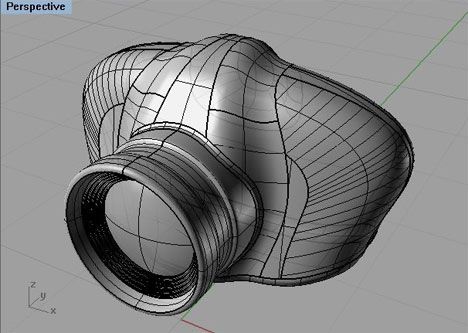
In today’s fast-paced world of design and construction, precision, efficiency, and innovation are more important than ever. Engineers and architects rely on advanced software tools to transform ideas into detailed plans and real-world structures. Among these tools, AutoCAD has remained one of the most widely used and trusted computer-aided design (CAD) software applications for decades.
Developed to simplify drafting and design processes, AutoCAD has revolutionized the way professionals create, modify, and share technical drawings. From architectural blueprints to complex engineering designs, AutoCAD plays a vital role in modern engineering and architecture.
What Is AutoCAD?
AutoCAD is a computer-aided design (CAD) software used for creating precise 2D drawings and 3D models. It enables professionals to design, draft, visualize, and document projects with a high level of accuracy.
The software is widely used in various industries, including:
- Architecture
- Civil Engineering
- Mechanical Engineering
- Electrical Engineering
- Interior Design
- Construction Management
- Manufacturing
Its versatile features make it an essential tool for professionals involved in design and project development.
Importance of AutoCAD in Architecture
Accurate Architectural Drafting
Architects use AutoCAD to create detailed floor plans, elevations, sections, and construction drawings. The software allows for precise measurements and ensures consistency throughout the design process.
Accurate drafting minimizes errors and helps architects communicate their ideas effectively to clients and construction teams.
Improved Design Visualization
AutoCAD enables architects to create both 2D drawings and 3D models. These visual representations help clients better understand project concepts before construction begins.
By visualizing designs in advance, architects can identify potential issues and make necessary modifications early in the project lifecycle.
Faster Design Modifications
Traditional drafting methods required significant time and effort to revise plans. AutoCAD simplifies this process by allowing designers to update drawings quickly and efficiently.
Changes can be implemented instantly without the need to redraw entire sections, saving valuable time and resources.
Enhanced Collaboration
Architectural projects often involve multiple stakeholders, including architects, engineers, contractors, and clients.
AutoCAD facilitates collaboration by enabling teams to share digital files, review designs, and coordinate project details more effectively.
Importance of AutoCAD in Engineering
Precision and Accuracy
Engineering projects demand exact measurements and detailed technical specifications. AutoCAD provides tools that allow engineers to create highly accurate designs while reducing the risk of human error.
This precision is critical in industries where even small mistakes can lead to costly consequences.
Efficient Design Development
Engineers use AutoCAD to design components, systems, and structures efficiently. Features such as reusable blocks, templates, and automated functions streamline the drafting process and increase productivity.
As a result, projects can be completed faster without compromising quality.
Complex System Design
AutoCAD supports the design of intricate mechanical, electrical, and civil engineering systems.
Engineers can create detailed layouts for:
- Electrical circuits
- Mechanical components
- Plumbing systems
- Transportation infrastructure
- Industrial equipment
These capabilities make AutoCAD an indispensable tool for modern engineering projects.
Improved Documentation
Engineering projects require extensive documentation for construction, manufacturing, and maintenance purposes.
AutoCAD automatically generates accurate documentation, ensuring that project information remains organized and accessible throughout the project lifecycle.
Key Features That Make AutoCAD Valuable
2D Drafting Tools
AutoCAD provides powerful tools for creating technical drawings with exceptional precision. Layers, dimensions, annotations, and editing tools help professionals produce detailed plans efficiently.
3D Modeling Capabilities
The software enables users to create realistic 3D models that improve visualization and project understanding.
Three-dimensional modeling helps identify design flaws before implementation, reducing costly modifications during construction.
Customization Options
AutoCAD allows users to customize workflows, toolsets, and templates according to industry-specific requirements.
This flexibility makes it suitable for a wide range of engineering and architectural applications.
Cloud Collaboration
Modern versions of AutoCAD support cloud-based storage and collaboration, allowing teams to access and edit files from different locations.
This capability enhances communication and supports remote project management.
Integration with Other Technologies
AutoCAD integrates with various design, simulation, and project management tools, helping organizations create efficient digital workflows.
The ability to exchange data between software platforms improves project coordination and productivity.
Benefits of AutoCAD in Construction Projects
Reduced Design Errors
Accurate digital drawings reduce the likelihood of costly construction mistakes and rework.
Increased Productivity
Automation tools and reusable design components help professionals complete projects more efficiently.
Better Project Communication
Detailed drawings improve communication between architects, engineers, contractors, and clients.
Cost Savings
By minimizing errors and improving workflow efficiency, AutoCAD helps reduce project costs and resource waste.
Improved Project Quality
Precise planning and documentation contribute to higher-quality construction outcomes.
AutoCAD and the Future of Design
As technology continues to evolve, AutoCAD remains at the forefront of digital design innovation. The software is increasingly incorporating advanced technologies such as:
- Artificial Intelligence (AI)
- Building Information Modeling (BIM)
- Cloud Computing
- Automation Tools
- Virtual and Augmented Reality Integration
These innovations are helping architects and engineers design smarter, more sustainable, and more efficient structures.
The growing demand for digital transformation in construction and manufacturing ensures that AutoCAD will continue to play a critical role in shaping future projects.
Career Opportunities for AutoCAD Professionals
Professionals with AutoCAD skills are highly valued across multiple industries. Career opportunities include:
- Architectural Designer
- Civil Engineer
- Mechanical Design Engineer
- Electrical Design Engineer
- Interior Designer
- CAD Technician
- Drafting Specialist
- Construction Project Coordinator
As infrastructure and development projects continue to expand globally, demand for AutoCAD expertise remains strong.
Conclusion
AutoCAD has transformed the fields of engineering and architecture by providing a powerful platform for precise design, efficient drafting, and seamless collaboration. Its ability to create detailed technical drawings and realistic 3D models has significantly improved the way professionals plan and execute projects.


