
Science and technology continue to push the boundaries of what is possible, and two of the most groundbreaking fields leading this transformation are genetic engineering and nanotechnology. Together, these disciplines are revolutionizing medicine, agriculture, environmental protection, and industrial development. Their combined potential is creating innovative solutions to some of humanity’s most pressing challenges, marking the beginning of a new scientific era.
Understanding Genetic Engineering
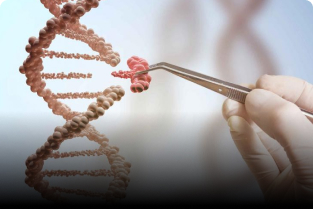
Genetic engineering is the process of modifying an organism’s DNA to achieve desired traits or outcomes. By altering genetic material, scientists can enhance crop yields, develop disease-resistant plants, and create advanced medical treatments.
Recent advances in genetic engineering have been driven by technologies such as gene editing, which allows researchers to make precise changes to DNA sequences. These innovations have accelerated research in areas such as personalized medicine, genetic disease treatment, and biotechnology.
Key Applications of Genetic Engineering
1. Healthcare and Medicine
Genetic engineering has transformed modern healthcare by enabling the development of targeted therapies and personalized treatments. Scientists are exploring ways to correct genetic mutations responsible for inherited diseases, potentially offering long-term cures rather than symptom management.
2. Agriculture
Farmers benefit from genetically engineered crops that are resistant to pests, diseases, and environmental stress. These improvements help increase food production while reducing the need for chemical pesticides and fertilizers.
3. Industrial Biotechnology
Microorganisms can be genetically modified to produce valuable substances, including biofuels, pharmaceuticals, and biodegradable materials, contributing to more sustainable industrial processes.
The Rise of Nanotechnology
Nanotechnology involves manipulating matter at the nanoscale, typically between 1 and 100 nanometers. At this tiny scale, materials exhibit unique properties that can be used to create innovative products and technologies.
Researchers are developing nanomaterials with enhanced strength, conductivity, and chemical reactivity, opening new possibilities across various industries.
Key Applications of Nanotechnology
1. Drug Delivery Systems
Nanotechnology is revolutionizing medicine by enabling targeted drug delivery. Nanoparticles can transport medications directly to affected cells, increasing treatment effectiveness while minimizing side effects.
2. Advanced Diagnostics
Nano-based sensors can detect diseases at very early stages, allowing for faster diagnosis and more effective treatment planning.
3. Environmental Protection
Nanotechnology is being used to develop advanced water purification systems, pollution control technologies, and energy-efficient solutions that support environmental sustainability.
4. Electronics and Manufacturing
Nanomaterials are enhancing the performance of electronic devices by making them smaller, faster, and more energy-efficient. Industries are also utilizing nanotechnology to create stronger and lighter materials for manufacturing.
The Powerful Combination of Genetic Engineering and Nanotechnology
One of the most exciting developments in modern science is the integration of genetic engineering and nanotechnology. Together, these technologies are creating innovative solutions that neither field could achieve alone.
Nanomedicine and Gene Therapy
Nanoparticles can serve as carriers for genetic material, delivering therapeutic genes directly to target cells. This approach improves the efficiency of gene therapy and increases the likelihood of successful treatment outcomes.
Precision Medicine
The combination of genetic analysis and nanotechnology enables highly personalized healthcare solutions. Treatments can be customized based on an individual’s genetic profile, improving effectiveness and reducing adverse reactions.
Advanced Agricultural Solutions
Researchers are exploring nano-enabled delivery systems for fertilizers and genetic materials, helping crops grow more efficiently while minimizing environmental impact.
Challenges and Ethical Considerations
Despite their tremendous potential, genetic engineering and nanotechnology raise important ethical, social, and regulatory concerns. Questions surrounding genetic modification, privacy of genetic information, environmental impact, and long-term safety require careful consideration.
Governments, scientists, and policymakers must work together to establish guidelines that promote innovation while ensuring public safety and ethical responsibility.
The Future of Scientific Innovation
The future of genetic engineering and nanotechnology is filled with exciting possibilities. Researchers are investigating new treatments for genetic disorders, advanced cancer therapies, sustainable agricultural practices, and next-generation materials that could reshape industries worldwide.
As technology continues to evolve, these fields are expected to play a crucial role in addressing global challenges related to health, food security, environmental sustainability, and economic development.
Conclusion
Innovations in genetic engineering and nanotechnology are ushering in a new scientific era characterized by unprecedented opportunities and transformative discoveries. From revolutionizing healthcare and agriculture to advancing environmental protection and industrial efficiency, these technologies are changing the way we understand and interact with the world. As research continues to expand, the integration of genetic engineering and nanotechnology promises to unlock solutions that will shape a healthier, more sustainable future for generations to come.


