
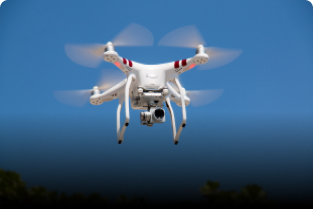
Drone technology has evolved rapidly over the past decade, becoming one of the most transformative innovations of the digital age. Once used primarily for military purposes, drones are now widely utilized in industries such as agriculture, logistics, construction, healthcare, photography, and environmental monitoring. At the heart of this technological revolution is drone engineering, a multidisciplinary field that combines aeronautics, electronics, software development, artificial intelligence, and robotics to design and develop unmanned aerial vehicles (UAVs).
As drone adoption continues to grow worldwide, drone engineers face exciting opportunities and complex challenges. Understanding these developments is essential for businesses, technology professionals, and aspiring engineers looking to participate in this fast-growing industry.
What Is Drone Engineering?
Drone engineering involves the design, development, testing, and maintenance of unmanned aerial systems. Engineers work on various components of drones, including:
- Airframe design and aerodynamics
- Flight control systems
- Sensors and navigation technologies
- Communication systems
- Battery and power management
- Artificial intelligence and automation software
- Camera and imaging technologies
The goal is to create drones that are efficient, reliable, safe, and capable of performing specific tasks in diverse environments.
The Rise of Drone Technology
Advancements in computing power, GPS systems, wireless communication, and artificial intelligence have accelerated drone innovation. Modern drones are capable of autonomous flight, obstacle avoidance, real-time data collection, and advanced image processing.
As technology becomes more affordable, organizations of all sizes are adopting drones to improve efficiency, reduce operational costs, and enhance decision-making processes.
Opportunities in Drone Engineering
1. Agriculture and Precision Farming
One of the most impactful applications of drones is in agriculture. Farmers use drones to monitor crops, assess soil conditions, identify pest infestations, and optimize irrigation systems.
Drone engineers develop specialized UAVs equipped with sensors and imaging systems that help farmers increase productivity while reducing resource consumption.
2. Logistics and Delivery Services
Many companies are exploring drone-based delivery systems to transport goods quickly and efficiently. Drones have the potential to reduce delivery times, lower transportation costs, and improve access to remote locations.
Drone engineers are working on navigation systems, safety protocols, and autonomous flight technologies that support reliable delivery operations.
3. Infrastructure Inspection
Drones are increasingly used to inspect bridges, power lines, pipelines, wind turbines, and construction sites. They provide high-resolution images and real-time data without putting human workers in dangerous situations.
Engineers continue to improve drone capabilities for mapping, surveying, and structural analysis.
4. Emergency Response and Disaster Management
Drones play an important role in search-and-rescue missions, disaster assessment, and emergency response efforts. They can quickly access areas that may be difficult or dangerous for humans to reach.
Advanced drone systems help emergency teams gather critical information and coordinate rescue operations more effectively.
5. Environmental Monitoring
Researchers and environmental organizations use drones to monitor wildlife, track climate changes, assess pollution levels, and study ecosystems.
Drone engineering supports the development of specialized UAVs capable of collecting valuable environmental data in challenging conditions.
The Role of Artificial Intelligence in Drone Engineering
Artificial intelligence has become a key component of modern drone systems. AI enables drones to:
- Recognize objects and obstacles
- Navigate autonomously
- Analyze images and videos
- Make real-time flight decisions
- Perform predictive maintenance
By integrating AI technologies, drone engineers are creating smarter and more efficient unmanned systems capable of operating with minimal human intervention.
Challenges Facing Drone Engineering
Despite the tremendous opportunities, drone engineering faces several important challenges.
Regulatory Compliance
Governments around the world continue to develop regulations governing drone operations. Engineers must ensure that drone systems comply with airspace restrictions, licensing requirements, and safety standards.
Balancing innovation with regulatory compliance remains a significant challenge for the industry.
Battery Limitations
Battery technology remains one of the biggest constraints on drone performance. Limited flight times can restrict operational efficiency, particularly for long-distance missions and heavy payload applications.
Engineers are actively researching advanced battery technologies and alternative power sources to address this issue.
Cybersecurity Risks
As drones become increasingly connected, they are vulnerable to cyberattacks and unauthorized access. Security breaches could compromise sensitive data or disrupt drone operations.
Drone engineers must implement strong cybersecurity measures to protect systems from potential threats.
Safety and Reliability
Ensuring safe and reliable drone operation is critical, especially in urban environments and populated areas. Engineers must develop robust flight control systems, collision avoidance technologies, and fail-safe mechanisms to minimize risks.
Privacy Concerns
The widespread use of drones raises concerns about surveillance and personal privacy. Organizations must balance the benefits of drone technology with ethical considerations and responsible data collection practices.
Career Opportunities in Drone Engineering
The growing adoption of drones has created strong demand for skilled professionals. Career opportunities include:
- Drone Design Engineer
- UAV Systems Engineer
- Robotics Engineer
- Aerospace Engineer
- Embedded Systems Developer
- AI and Machine Learning Specialist
- Drone Operations Manager
- Flight Test Engineer
Professionals entering this field typically require expertise in electronics, programming, aerodynamics, robotics, and data analysis.
The Future of Drone Engineering
The future of drone engineering is filled with exciting possibilities. Emerging technologies such as 5G connectivity, edge computing, swarm intelligence, and advanced artificial intelligence are expected to further expand drone capabilities.
Future drones may operate autonomously in smart cities, deliver medical supplies to remote areas, assist in urban planning, and support large-scale environmental conservation efforts. As innovation continues, drones will become increasingly integrated into everyday life and business operations.
Conclusion
Drone engineering is a rapidly evolving field that sits at the intersection of technology, innovation, and problem-solving. From agriculture and logistics to disaster response and environmental monitoring, drones are transforming industries across the globe. While challenges related to regulations, battery life, cybersecurity, and privacy remain, ongoing advancements continue to unlock new opportunities.


