
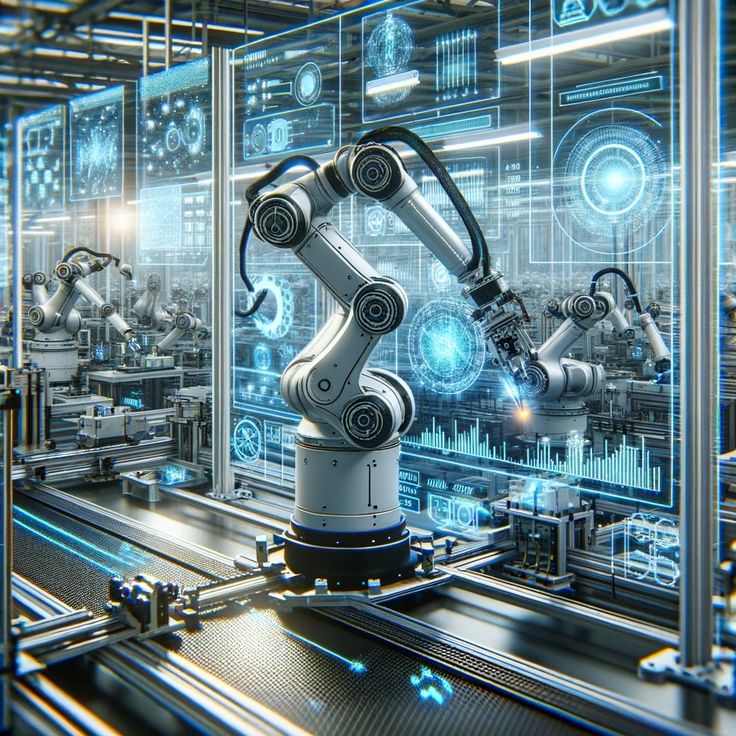
Robot engineering is one of the most exciting and rapidly evolving fields in modern technology. By combining mechanical engineering, electronics, computer science, and artificial intelligence (AI), robot engineers create machines capable of performing tasks with precision, speed, and efficiency. As technology continues to advance, robots are becoming more intelligent, adaptable, and capable of working alongside humans in various industries.
From manufacturing plants and hospitals to farms and outer space, robot engineering is revolutionizing the way people live and work. Understanding these advancements and their practical applications highlights the growing importance of robotics in today’s world.
What Is Robot Engineering?
Robot engineering is the branch of engineering focused on designing, building, programming, and maintaining robotic systems. These systems can perform repetitive, dangerous, or highly precise tasks that may be difficult for humans to accomplish efficiently.
Modern robots utilize a combination of sensors, actuators, control systems, and software algorithms to interact with their environment and make decisions based on real-time data.
Key Advancements in Robot Engineering
1. Artificial Intelligence Integration
One of the most significant developments in robotics is the integration of AI. Modern robots can analyze data, learn from experiences, and adapt to changing environments.
AI-powered robots can:
- Recognize objects and people
- Process natural language commands
- Make autonomous decisions
- Improve performance through machine learning
This advancement has expanded the capabilities of robots far beyond simple programmed tasks.
2. Collaborative Robots (Cobots)
Traditional industrial robots often operated separately from human workers due to safety concerns. Today, collaborative robots, or cobots, are designed to work safely alongside humans.
Cobots offer several advantages:
- Increased workplace productivity
- Enhanced worker safety
- Reduced operational costs
- Flexibility for small and medium-sized businesses
These robots are becoming increasingly common in manufacturing and assembly operations.
3. Advanced Sensor Technology
Modern robots are equipped with sophisticated sensors that enable them to perceive their surroundings accurately.
Examples include:
- Vision sensors and cameras
- Infrared sensors
- Force and pressure sensors
- LiDAR systems
These technologies allow robots to navigate complex environments, avoid obstacles, and perform delicate tasks with precision.
4. Autonomous Mobile Robots (AMRs)
Autonomous mobile robots can move independently without following fixed routes. Using advanced navigation systems, they can dynamically adapt to their surroundings.
AMRs are widely used in:
- Warehouses
- Distribution centers
- Hospitals
- Airports
Their ability to optimize movement and logistics improves operational efficiency.
5. Soft Robotics
Soft robotics focuses on building robots from flexible materials that mimic the movements of living organisms.
Benefits of soft robotics include:
- Safe interaction with humans
- Better adaptability
- Ability to handle fragile objects
- Improved performance in medical applications
This technology is opening new possibilities in healthcare and service industries.
Real-World Applications of Robot Engineering
Manufacturing and Industrial Automation
Manufacturing remains one of the largest users of robotic technology. Robots perform tasks such as welding, painting, assembly, packaging, and quality inspection.
Benefits include:
- Higher productivity
- Consistent quality
- Reduced errors
- Lower production costs
Industrial robots have become essential components of smart factories and Industry 4.0 initiatives.
Healthcare and Medical Robotics
Robot engineering is transforming healthcare through innovative medical solutions.
Applications include:
- Robotic-assisted surgeries
- Rehabilitation devices
- Hospital delivery robots
- Patient monitoring systems
Medical robots help improve surgical precision, reduce recovery times, and enhance patient care.
Agriculture
Agricultural robots are helping farmers increase efficiency while addressing labor shortages.
Examples include:
- Automated harvesting machines
- Crop-monitoring drones
- Precision spraying robots
- Autonomous tractors
These technologies support sustainable farming practices and improve crop yields.
Logistics and Warehousing
E-commerce growth has increased the demand for efficient logistics systems. Robots now play a critical role in inventory management and order fulfillment.
Common applications include:
- Package sorting
- Inventory tracking
- Warehouse transportation
- Automated delivery systems
Robotic solutions help companies process orders faster and more accurately.
Space Exploration
Robotics has become essential for exploring environments that are dangerous or inaccessible to humans.
Applications include:
- Planetary rovers
- Satellite maintenance systems
- Space station robotics
- Deep-space exploration missions
Robots collect valuable scientific data while reducing risks to human astronauts.
Defense and Security
Robots are widely used in defense and security operations.
Examples include:
- Bomb disposal robots
- Surveillance drones
- Border monitoring systems
- Search and rescue robots
These systems help protect personnel while improving operational effectiveness.
Challenges Facing Robot Engineering
Despite significant progress, several challenges remain:
- High development and implementation costs
- Cybersecurity risks
- Ethical concerns regarding automation
- Workforce adaptation and retraining
- Complex maintenance requirements
Addressing these challenges will be essential for the continued growth and acceptance of robotic technologies.
The Future of Robot Engineering
The future of robot engineering looks promising. Advances in artificial intelligence, machine learning, cloud computing, and advanced materials will continue to enhance robotic capabilities.
Future robots are expected to:
- Work more closely with humans
- Make better autonomous decisions
- Operate in increasingly complex environments
- Support sustainable industrial practices
- Expand into new industries and applications
As robotics technology evolves, it will play an even greater role in solving global challenges and improving quality of life.
Conclusion
Advancements in robot engineering are reshaping industries and creating new opportunities across the globe. From intelligent manufacturing systems and healthcare innovations to agricultural automation and space exploration, robots are becoming indispensable tools in modern society. As technology continues to progress, robot engineering will remain at the forefront of innovation, driving efficiency, safety, and productivity while transforming the future of work and everyday life.


