
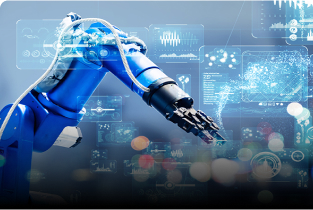
The rapid advancement of technology has transformed the way businesses operate and how people interact with machines. Among the most influential innovations of the modern era are the Internet of Things (IoT) and robotics. Individually, these technologies have revolutionized industries through automation and data-driven decision-making. Together, they are creating intelligent systems capable of performing complex tasks with greater efficiency, accuracy, and adaptability.
From smart factories and autonomous vehicles to healthcare robots and connected home devices, the combination of IoT and robotics is shaping the future of innovation. As organizations continue to embrace digital transformation, understanding the evolution and impact of these technologies has become increasingly important.
Understanding IoT and Robotics
What Is IoT?
The Internet of Things (IoT) refers to a network of interconnected devices that collect, share, and analyze data through the internet. These devices can include sensors, machines, appliances, vehicles, and industrial equipment. IoT enables real-time communication between devices, allowing organizations to monitor operations, improve efficiency, and make data-driven decisions.
What Is Robotics?
Robotics is a branch of engineering and technology focused on designing, building, and operating robots. Robots are programmable machines capable of performing tasks automatically or semi-autonomously. Modern robots often incorporate artificial intelligence, machine learning, and advanced sensors to interact with their environments more effectively.
The Evolution of Automation
Automation has existed for decades in industries such as manufacturing and transportation. Early robotic systems were designed to perform repetitive tasks with precision and consistency. While these machines increased productivity, they often operated in isolation and required significant human supervision.
The introduction of IoT changed this landscape dramatically. By connecting robots to networks and cloud-based systems, organizations gained access to real-time data and remote monitoring capabilities. This connectivity enabled robots to become smarter, more responsive, and capable of adapting to changing conditions.
Today, connected robotic systems can analyze data, communicate with other machines, and optimize their own performance, marking a significant shift from simple automation to intelligent innovation.
How IoT Enhances Robotics
1. Real-Time Monitoring and Control
IoT sensors allow robots to collect and transmit data continuously. Operators can monitor robotic performance remotely, identify issues quickly, and make adjustments in real time. This improves reliability and reduces downtime.
2. Predictive Maintenance
Connected robots generate valuable operational data that can be analyzed to predict equipment failures before they occur. Predictive maintenance helps organizations reduce repair costs, extend equipment lifespan, and avoid unexpected disruptions.
3. Improved Decision-Making
IoT-enabled robots can access data from multiple sources, including sensors, databases, and cloud platforms. This information allows them to make more informed decisions and respond intelligently to changing environments.
4. Enhanced Collaboration
Modern robotic systems can communicate with other machines, devices, and software platforms. This collaboration improves workflow efficiency and supports the development of smart factories and connected industrial environments.
5. Remote Operations
IoT technology enables robots to be controlled and monitored from virtually anywhere. This capability is particularly valuable in hazardous environments, remote locations, and industries where human intervention may be difficult or dangerous.
Applications of IoT and Robotics
Manufacturing
Smart factories use IoT-enabled robots to automate production lines, monitor equipment health, and optimize resource utilization. These systems improve productivity while maintaining high-quality standards.
Healthcare
Healthcare organizations utilize robotic systems for surgery, patient monitoring, rehabilitation, and medication management. IoT connectivity allows healthcare professionals to access critical information in real time, improving patient outcomes.
Agriculture
Agricultural robots equipped with IoT sensors can monitor soil conditions, analyze crop health, and automate planting and harvesting processes. This technology helps farmers increase yields while reducing labor costs.
Logistics and Supply Chain Management
Warehouses and distribution centers use autonomous robots to manage inventory, transport goods, and streamline operations. IoT provides visibility across the supply chain, improving efficiency and accuracy.
Smart Homes and Smart Cities
IoT and robotics contribute to smarter living environments through connected appliances, security systems, cleaning robots, and intelligent infrastructure. These technologies enhance convenience, safety, and energy efficiency.
Benefits of IoT and Robotics Integration
The integration of IoT and robotics offers numerous advantages:
- Increased operational efficiency
- Reduced labor and maintenance costs
- Enhanced productivity and accuracy
- Better data collection and analysis
- Improved safety in hazardous environments
- Greater flexibility and scalability
- Faster decision-making through real-time insights
These benefits make IoT and robotics valuable investments for organizations seeking long-term growth and innovation.
Challenges and Considerations
Despite their potential, IoT and robotics also present several challenges:
Cybersecurity Risks
Connected devices can become targets for cyberattacks. Organizations must implement robust security measures to protect sensitive data and critical systems.
High Initial Investment
Deploying advanced robotic and IoT solutions often requires significant upfront investment in hardware, software, and infrastructure.
Data Management
The large volume of data generated by IoT devices requires effective storage, processing, and analysis capabilities.
Skills Gap
Organizations may face difficulties finding professionals with expertise in IoT, robotics, artificial intelligence, and cybersecurity.
Addressing these challenges is essential for maximizing the benefits of these technologies.
The Future of IoT and Robotics
The future of IoT and robotics is expected to be driven by advancements in artificial intelligence, machine learning, edge computing, and 5G connectivity. These technologies will enable robots to process data faster, make smarter decisions, and operate with greater autonomy.
Industries are likely to see increased adoption of collaborative robots (cobots), autonomous vehicles, intelligent healthcare systems, and fully connected smart factories. As technology continues to evolve, IoT and robotics will play a central role in shaping the next generation of innovation.
Conclusion
The evolution of IoT and robotics represents a remarkable journey from basic automation to intelligent innovation. By combining connectivity, data analytics, and advanced robotics, organizations can achieve unprecedented levels of efficiency, productivity, and adaptability. As industries continue to embrace digital transformation, the integration of IoT and robotics will remain a powerful force driving technological progress and creating new opportunities for growth across the global economy.


