
Scientific innovation has accelerated dramatically over the past few decades, with nanotechnology and genetic engineering emerging as two of the most transformative fields. Together, these cutting-edge technologies are reshaping medicine, agriculture, environmental science, manufacturing, and many other industries. By enabling scientists to manipulate matter at the molecular level and modify genetic material with remarkable precision, they are opening doors to solutions that were once considered impossible.
From targeted cancer therapies and personalized medicine to climate-resilient crops and advanced materials, nanotechnology and genetic engineering are driving breakthroughs that improve lives and address some of the world’s greatest challenges.
Understanding Nanotechnology
Nanotechnology is the science and engineering of designing, producing, and using materials and devices at the nanoscale, typically between 1 and 100 nanometers. At this scale, materials often display unique physical, chemical, and biological properties that differ significantly from their larger counterparts.
Applications of nanotechnology include:
- Drug delivery systems
- Medical imaging
- Nanoelectronics
- Water purification
- Energy storage
- Advanced manufacturing
- Smart materials
- Environmental monitoring
Its ability to manipulate matter at the atomic and molecular level makes nanotechnology one of the most innovative areas of modern science.
What Is Genetic Engineering?
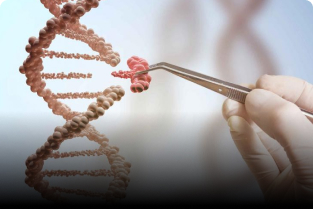
Genetic engineering involves modifying an organism’s DNA to introduce, remove, or alter specific genes. Scientists use advanced biotechnology tools to improve desirable traits or eliminate harmful genetic characteristics.
Major applications include:
- Gene therapy
- Disease prevention
- Crop improvement
- Livestock enhancement
- Pharmaceutical production
- Industrial biotechnology
- Vaccine development
- Synthetic biology
Modern gene-editing technologies have made genetic engineering faster, more precise, and more effective than ever before.
The Powerful Combination of Nanotechnology and Genetic Engineering
Although each field has significant potential individually, combining nanotechnology with genetic engineering creates even greater opportunities for scientific advancement.
Nanotechnology enables the safe and precise delivery of genetic material into cells, while genetic engineering provides the ability to modify genes responsible for diseases, growth, and biological functions.
Together, these technologies are advancing research in:
- Personalized medicine
- Regenerative medicine
- Cancer treatment
- Artificial organs
- Smart drug delivery
- Tissue engineering
- Molecular diagnostics
- Precision agriculture
Their integration is accelerating discoveries across multiple scientific disciplines.
Transforming Healthcare
Healthcare has become one of the largest beneficiaries of nanotechnology and genetic engineering.
Targeted Drug Delivery
Nanoparticles can transport medications directly to diseased cells while minimizing damage to healthy tissues. This targeted approach improves treatment effectiveness and reduces side effects.
Personalized Medicine
Genetic engineering allows treatments to be tailored to an individual’s genetic profile. Combined with nanotechnology-based diagnostics, healthcare providers can develop highly personalized treatment plans.
Gene Therapy
Scientists can replace or repair defective genes responsible for inherited disorders. Nanotechnology helps improve the safe delivery of therapeutic genes into target cells.
Early Disease Detection
Nanotechnology-based sensors can identify disease biomarkers at extremely early stages, enabling faster diagnosis and more effective treatment.
Vaccine Development
Advances in both fields have contributed to more efficient vaccine research, improved delivery systems, and stronger immune responses.
Revolutionizing Agriculture
Global food security depends on producing more food while protecting natural resources.
Nanotechnology and genetic engineering contribute by:
- Developing drought-resistant crops
- Increasing disease resistance
- Enhancing crop nutrition
- Improving fertilizer efficiency
- Reducing pesticide usage
- Monitoring soil health with nanosensors
- Increasing agricultural productivity
These innovations support sustainable farming practices while meeting the demands of a growing global population.
Environmental Protection
Scientific breakthroughs are also helping protect ecosystems and natural resources.
Important applications include:
Water Purification
Nanomaterials can remove harmful bacteria, heavy metals, and chemical pollutants from drinking water.
Pollution Monitoring
Advanced nanosensors detect environmental contaminants quickly and accurately.
Waste Management
Engineered microorganisms can break down hazardous waste more efficiently.
Climate Change Solutions
Scientists are developing genetically engineered crops capable of adapting to changing climate conditions while improving carbon capture technologies.
Industrial Applications
Nanotechnology and genetic engineering are transforming manufacturing and industrial production.
Examples include:
- Lightweight nanomaterials
- Stronger construction materials
- Self-cleaning surfaces
- High-performance batteries
- Renewable energy technologies
- Biodegradable plastics
- Industrial enzymes
- Smart packaging
These innovations improve efficiency while reducing environmental impact.
Ethical and Safety Considerations
Despite their tremendous benefits, nanotechnology and genetic engineering also raise important ethical and regulatory questions.
Some concerns include:
- Genetic privacy
- Human gene editing
- Environmental safety
- Long-term health effects
- Biosecurity risks
- Responsible use of artificial intelligence in biotechnology
- Fair access to advanced medical treatments
Governments, scientists, and regulatory agencies continue to develop guidelines that encourage innovation while protecting public health and the environment.
Challenges Facing Future Development
Several challenges remain before these technologies reach their full potential.
These include:
- High research costs
- Regulatory approval processes
- Public acceptance
- Technical complexity
- Manufacturing scalability
- Safety testing
- International regulatory differences
Continued investment in research and collaboration between governments, universities, and private organizations will help overcome these barriers.
The Future of Scientific Innovation
The future of nanotechnology and genetic engineering is incredibly promising. Emerging developments are expected to include:
- Personalized gene-based treatments
- Artificial tissues and organs
- Precision cancer therapies
- Smart nanorobots for medical procedures
- Climate-resilient crops
- Sustainable industrial manufacturing
- Advanced renewable energy systems
- Faster disease detection technologies
As research continues, these fields will play a central role in solving some of humanity’s most complex scientific, medical, and environmental challenges.
Conclusion
Nanotechnology and genetic engineering are transforming the way scientists understand and solve real-world problems. Their combined capabilities are driving groundbreaking advances in healthcare, agriculture, environmental protection, manufacturing, and biotechnology. By enabling precise control over materials and genetic information, these technologies are creating innovative solutions that improve quality of life and support sustainable development.


