
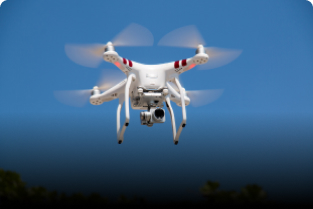
Drone engineering has emerged as one of the fastest-growing fields in modern technology. With drones becoming an essential part of industries such as agriculture, logistics, construction, defense, filmmaking, healthcare, and environmental monitoring, the demand for skilled drone engineers continues to increase worldwide.
Drone engineers combine expertise in mechanical engineering, electronics, software development, artificial intelligence (AI), robotics, and communication systems to design, develop, test, and improve unmanned aerial vehicles (UAVs). As businesses increasingly adopt drone technology to improve efficiency and reduce costs, drone engineering offers exciting career opportunities with excellent growth potential.
In this blog, we’ll explore why drone engineering is becoming one of the most rewarding technology careers and what makes it an attractive profession for aspiring engineers.
What Is Drone Engineering?
Drone engineering is the specialized field focused on designing, building, programming, testing, and maintaining unmanned aerial vehicles (UAVs). These aircraft operate remotely or autonomously using advanced sensors, GPS, cameras, flight controllers, and onboard software.
Drone engineers work on improving various aspects of drone performance, including:
- Flight stability
- Navigation systems
- Battery efficiency
- Payload capacity
- Obstacle avoidance
- Autonomous flight capabilities
- Communication systems
- AI-powered decision-making
The field combines multiple engineering disciplines, making it one of the most interdisciplinary careers in technology.
Why Drone Engineering Is Gaining Popularity
Several factors have contributed to the rapid growth of drone engineering.
Expanding Industry Applications
Drones are no longer limited to military operations. Today, they are widely used in:
- Agriculture for crop monitoring and precision farming
- Construction for site surveys and inspections
- Logistics for package delivery
- Healthcare for transporting medical supplies
- Disaster management and emergency response
- Environmental conservation
- Wildlife monitoring
- Mining operations
- Infrastructure inspection
- Film and photography
As new applications continue to emerge, organizations require skilled professionals capable of designing drones that meet industry-specific requirements.
Growing Demand for Automation
Businesses increasingly rely on automation to improve productivity while reducing operational costs. Drones automate tasks that were previously dangerous, expensive, or time-consuming.
Examples include:
- Power line inspection
- Wind turbine maintenance
- Pipeline monitoring
- Bridge inspections
- Warehouse inventory management
This trend creates long-term demand for drone engineers.
Rapid Technological Innovation
Drone technology evolves quickly with advancements in:
- Artificial Intelligence
- Machine Learning
- Computer Vision
- GPS Navigation
- LiDAR
- 5G Communication
- Internet of Things (IoT)
- Robotics
- Edge Computing
Drone engineers work at the forefront of these innovations, making the career intellectually stimulating and future-focused.
Skills Required to Become a Drone Engineer
A successful drone engineer develops both technical and practical skills.
Technical Skills
- Aerodynamics
- Embedded systems
- Robotics
- Electronics
- Sensor integration
- PCB design
- Programming (Python, C++, Java)
- Flight controller programming
- AI and Machine Learning
- Computer Vision
- GPS technology
- Wireless communication
- CAD software
- Simulation tools
Soft Skills
- Problem-solving
- Critical thinking
- Creativity
- Communication
- Team collaboration
- Project management
- Analytical reasoning
- Attention to detail
These skills help engineers solve complex engineering challenges while working effectively within multidisciplinary teams.
Educational Path
Students interested in drone engineering often pursue degrees in:
- Aerospace Engineering
- Mechanical Engineering
- Electronics Engineering
- Robotics Engineering
- Computer Science
- Electrical Engineering
- Mechatronics
Many universities and online learning platforms also offer specialized drone technology certifications covering UAV design, drone programming, autonomous navigation, and drone regulations.
Career Opportunities in Drone Engineering
Drone engineers have access to diverse career paths across multiple industries.
Popular job roles include:
- Drone Design Engineer
- UAV Systems Engineer
- Flight Test Engineer
- Embedded Systems Engineer
- Robotics Engineer
- AI Engineer
- Computer Vision Engineer
- Drone Software Developer
- Aerospace Engineer
- Research Engineer
- Drone Maintenance Engineer
- Drone Operations Specialist
With growing commercial drone adoption, both startups and multinational companies actively recruit professionals with drone engineering expertise.
Industries Hiring Drone Engineers
Drone engineers are employed in numerous sectors.
Agriculture
Farmers use drones for:
- Crop health monitoring
- Irrigation planning
- Fertilizer application
- Pest detection
- Yield estimation
Construction
Construction companies use drones for:
- Surveying land
- Monitoring project progress
- Safety inspections
- 3D site mapping
Logistics
Delivery companies are exploring drone-based transportation to reduce delivery times and improve last-mile logistics.
Healthcare
Medical organizations use drones to deliver:
- Blood samples
- Vaccines
- Emergency medicines
- Laboratory supplies
Defense
Defense organizations continue investing heavily in advanced UAV technologies for surveillance, reconnaissance, and security operations.
Environmental Monitoring
Researchers use drones to:
- Monitor forests
- Study wildlife
- Track climate changes
- Survey coastal regions
- Detect pollution
Salary and Career Growth
Drone engineering offers competitive salaries due to the specialized nature of the field.
Salary depends on factors such as:
- Education
- Experience
- Technical expertise
- Industry
- Geographic location
- Employer
Professionals with expertise in AI, robotics, embedded systems, and autonomous navigation often command higher salaries because these skills are highly sought after.
As commercial drone adoption expands globally, career growth opportunities continue to increase.
Future Trends in Drone Engineering
The future of drone engineering looks exceptionally promising.
Emerging trends include:
- AI-powered autonomous drones
- Swarm drone technology
- Drone delivery networks
- Smart city integration
- Precision agriculture
- Advanced battery technology
- Hydrogen-powered drones
- Urban air mobility
- Drone taxis
- Fully autonomous inspection systems
- Real-time edge AI processing
These innovations will create exciting opportunities for engineers to shape the next generation of aerial technologies.
Challenges in Drone Engineering
Despite its exciting prospects, drone engineering presents several challenges.
These include:
- Limited battery life
- Flight safety
- Cybersecurity risks
- Airspace regulations
- Weather conditions
- Signal interference
- Privacy concerns
- Ethical considerations
Addressing these challenges requires continuous research, innovation, and collaboration across engineering disciplines.
Tips for Aspiring Drone Engineers
If you want to build a successful career in drone engineering, consider the following:
- Build a strong foundation in mathematics and physics.
- Learn programming languages such as Python and C++.
- Study electronics and embedded systems.
- Gain experience with CAD and simulation software.
- Work on personal drone projects.
- Participate in robotics and drone competitions.
- Stay updated with UAV regulations and industry trends.
- Develop AI and computer vision skills.
- Earn industry-recognized certifications.
- Build a portfolio showcasing your projects and practical experience.
Conclusion
Drone engineering is one of the most exciting careers in technology because it combines innovation, creativity, engineering, and real-world problem-solving. As drones become increasingly important across industries such as agriculture, healthcare, logistics, construction, defense, and environmental conservation, the demand for skilled drone engineers will continue to grow.


