
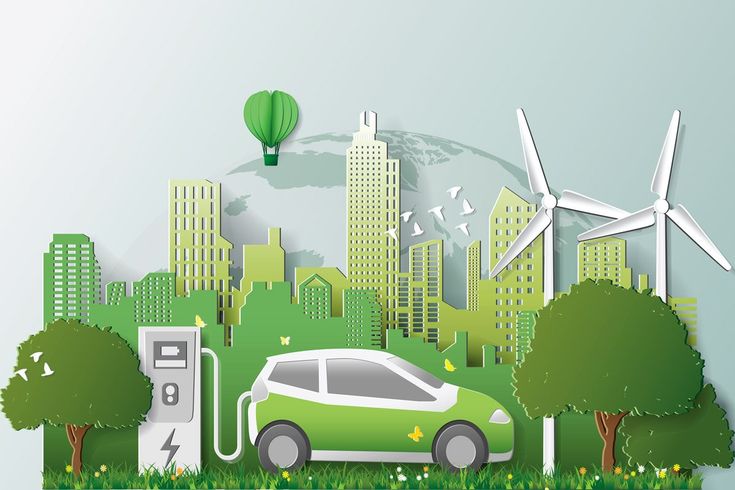
The automotive industry has experienced remarkable transformations over the past century, but few innovations have had as profound an impact as hybrid and electric vehicles (EVs). Once considered experimental technologies with limited practical use, these vehicles have become a major force in modern transportation. Rising environmental concerns, advancements in battery technology, supportive government policies, and changing consumer preferences have accelerated their adoption across the globe.
Today, hybrid and electric vehicles are no longer niche products. They represent the future of mobility, offering cleaner, more efficient, and technologically advanced alternatives to traditional gasoline-powered vehicles. As manufacturers continue to innovate, these vehicles are becoming increasingly accessible, affordable, and capable of meeting the needs of everyday drivers.
Understanding Hybrid and Electric Vehicles
Hybrid vehicles combine an internal combustion engine with one or more electric motors. This combination improves fuel efficiency by allowing the vehicle to switch between gasoline and electric power depending on driving conditions.
Electric vehicles, on the other hand, rely entirely on electric motors powered by rechargeable battery packs. Since they do not use gasoline or diesel, EVs produce zero tailpipe emissions, making them an environmentally friendly transportation option.
Several categories exist within this market:
- Hybrid Electric Vehicles (HEVs)
- Plug-in Hybrid Electric Vehicles (PHEVs)
- Battery Electric Vehicles (BEVs)
- Fuel Cell Electric Vehicles (FCEVs)
Each category offers unique benefits based on driving habits, charging availability, and budget.
The Early Days of Electric Mobility
Many people believe electric vehicles are a recent invention, but their history dates back to the late nineteenth century. Early electric cars gained popularity because they were quiet, simple to operate, and cleaner than steam-powered alternatives.
However, the discovery of abundant petroleum, improvements in gasoline engines, and the introduction of mass production techniques made traditional vehicles significantly more affordable. As a result, electric vehicles gradually disappeared from mainstream markets for several decades.
The Birth of Hybrid Technology
Growing concerns about fuel prices and air pollution revived interest in alternative vehicle technologies during the late twentieth century. Hybrid vehicles emerged as an effective solution by combining fuel efficiency with the convenience of traditional gasoline engines.
Modern hybrid systems introduced technologies such as:
- Regenerative braking
- Automatic engine start-stop systems
- Intelligent power management
- Electric motor assistance
These innovations reduced fuel consumption while maintaining the familiar driving experience consumers expected.
The Electric Vehicle Revolution
The twenty-first century marked a turning point for electric vehicles. Significant breakthroughs in lithium-ion battery technology dramatically improved driving range while reducing charging times and manufacturing costs.
Automakers invested billions in research and development, leading to vehicles that offered:
- Longer driving ranges
- Faster acceleration
- Advanced safety systems
- Smart connectivity
- Lower maintenance requirements
As charging infrastructure expanded, electric vehicles became practical for daily commuting and long-distance travel.
Key Technologies Driving Modern Electric Vehicles
Continuous innovation has transformed EV performance and reliability.
Advanced Battery Technology
Modern lithium-ion batteries deliver higher energy density, longer lifespans, and improved safety compared to earlier battery systems. Researchers continue developing solid-state batteries that promise even greater performance and faster charging.
Regenerative Braking
Regenerative braking converts kinetic energy into electricity during braking, helping recharge the battery and improving overall efficiency.
Fast Charging Networks
Rapid charging stations now enable many electric vehicles to recharge a significant portion of their battery in less than an hour, reducing range anxiety for drivers.
Smart Connectivity
Modern EVs feature intelligent software capable of:
- Remote monitoring
- Over-the-air software updates
- Battery health management
- Navigation with charging station integration
- Predictive maintenance alerts
These features enhance convenience and improve vehicle performance over time.
Benefits of Hybrid and Electric Vehicles
Environmental Advantages
One of the primary reasons for the popularity of hybrid and electric vehicles is their positive environmental impact.
Benefits include:
- Lower greenhouse gas emissions
- Improved urban air quality
- Reduced dependence on fossil fuels
- Increased use of renewable energy
Lower Operating Costs
Electric motors contain fewer moving parts than traditional engines, resulting in lower maintenance costs.
Drivers can save money through:
- Reduced fuel expenses
- Less frequent servicing
- Lower maintenance requirements
- Potential government incentives
Improved Driving Experience
Electric motors provide instant torque, delivering smooth acceleration and quiet operation.
Additional advantages include:
- Reduced vibration
- Comfortable driving
- Advanced driver assistance systems
- Enhanced safety features
Challenges Facing Wider Adoption
Despite impressive progress, several challenges remain.
Charging Infrastructure
Although charging networks continue expanding, some regions still lack sufficient public charging stations.
Battery Costs
Battery production remains one of the most expensive components of electric vehicle manufacturing, although prices continue to decline.
Charging Time
Charging generally takes longer than refueling a gasoline vehicle. However, improvements in fast-charging technology continue to reduce waiting times.
Raw Material Supply
Growing demand for battery materials such as lithium, nickel, and cobalt presents supply chain and sustainability challenges that manufacturers are actively addressing.
Government Support and Industry Growth
Governments worldwide are encouraging the transition toward cleaner transportation through:
- Purchase incentives
- Tax credits
- Charging infrastructure investments
- Emission regulations
- Research funding
These initiatives have encouraged manufacturers to expand their electric vehicle portfolios while making EV ownership more affordable for consumers.
Future Trends in Hybrid and Electric Vehicles
The future of transportation will likely be shaped by continued technological innovation.
Emerging trends include:
- Solid-state batteries
- Ultra-fast charging technology
- Wireless charging systems
- Vehicle-to-grid integration
- Artificial intelligence-powered driving assistance
- Autonomous electric vehicles
- Increased battery recycling
- Sustainable manufacturing practices
As these innovations mature, electric vehicles will become even more efficient, affordable, and environmentally friendly.
Impact on the Automotive Industry
The rapid adoption of hybrid and electric vehicles is reshaping the global automotive landscape. Manufacturers are redesigning production facilities, investing heavily in battery technology, and developing software-driven vehicles that offer enhanced connectivity and intelligent features.
Traditional automakers are competing alongside new electric vehicle companies, creating a highly innovative market focused on sustainability, digital technology, and customer experience.
Tips for Buyers Considering Hybrid or Electric Vehicles
If you are planning to purchase a hybrid or electric vehicle, consider the following:
- Evaluate your daily driving distance.
- Research available charging options in your area.
- Compare total ownership costs instead of purchase price alone.
- Check battery warranty coverage.
- Explore government incentives and tax benefits.
- Consider future resale value.
- Test-drive multiple models before making a decision.
Conclusion
The journey of hybrid and electric vehicles from experimental concepts to mainstream transportation has been driven by decades of innovation, technological progress, and growing environmental awareness. What was once viewed as a niche market has evolved into one of the fastest-growing sectors in the automotive industry.
With continuous improvements in battery technology, charging infrastructure, intelligent software, and manufacturing efficiency, hybrid and electric vehicles are becoming practical choices for millions of drivers worldwide. As governments, manufacturers, and consumers continue embracing sustainable mobility, these vehicles will play a central role in shaping the future of transportation.


