
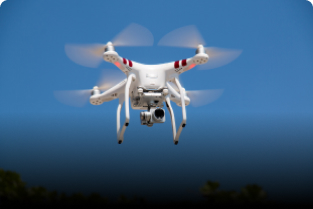
What Is Drone Engineering?
Drone engineering is a multidisciplinary field that combines mechanical engineering, electrical engineering, aerospace engineering, computer science, robotics, and embedded systems to create unmanned aerial vehicles capable of performing specific tasks.
Drone engineers are responsible for:
- Designing drone structures
- Developing flight control systems
- Programming autonomous navigation
- Integrating sensors and cameras
- Optimizing battery performance
- Testing flight stability
- Ensuring safety and regulatory compliance
Modern drones range from compact consumer quadcopters to large industrial and military UAVs capable of carrying heavy payloads and operating over long distances.
Key Components of a Drone
Every drone consists of several essential components that work together to enable stable and controlled flight.
1. Frame
The frame is the structural backbone of the drone. It supports all components while keeping the drone lightweight and durable. Materials such as carbon fiber and aluminum are commonly used.
2. Motors
Brushless electric motors generate the thrust needed for flight. The number and quality of motors directly affect speed, lifting capacity, and stability.
3. Propellers
Propellers convert motor power into lift. Their size, shape, and material influence flight efficiency and maneuverability.
4. Flight Controller
The flight controller acts as the drone’s brain. It processes data from sensors and adjusts motor speeds to maintain balance and execute flight commands.
5. Electronic Speed Controllers (ESCs)
ESCs regulate motor speed based on signals from the flight controller, ensuring smooth and responsive flight.
6. Battery
Most drones use rechargeable lithium-polymer (Li-Po) batteries, which provide high energy density while keeping the drone lightweight.
7. GPS Module
GPS enables accurate positioning, route planning, waypoint navigation, and return-to-home functionality.
8. Sensors
Common sensors include:
- Accelerometers
- Gyroscopes
- Magnetometers
- Barometers
- Ultrasonic sensors
- LiDAR
- Cameras
- Infrared sensors
These sensors help drones detect obstacles, maintain altitude, and navigate safely.
9. Communication System
Wireless communication allows operators to control drones remotely and receive live video feeds and telemetry data.
The Drone Design and Development Process
Developing a drone involves multiple stages, from concept to deployment.
Requirement Analysis
Engineers define the drone’s purpose, such as aerial photography, agricultural monitoring, package delivery, or inspection.
Conceptual Design
Designers determine:
- Drone type
- Payload capacity
- Flight duration
- Maximum altitude
- Speed
- Navigation requirements
Mechanical Design
Using Computer-Aided Design (CAD) software, engineers create lightweight and aerodynamic structures that maximize durability and efficiency.
Electronics Integration
Electronic components such as motors, controllers, batteries, GPS modules, sensors, and cameras are integrated into the design.
Software Development
Software engineers develop firmware and applications that enable:
- Flight control
- Autonomous navigation
- Obstacle avoidance
- Image processing
- Data collection
- Real-time communication
Programming languages commonly used include:
- Python
- C++
- Java
- ROS (Robot Operating System)
Simulation and Testing
Virtual simulations help engineers identify design flaws before physical prototypes are built.
Flight tests evaluate:
- Stability
- Battery life
- Navigation accuracy
- Payload performance
- Safety
- Environmental resistance
Production
After successful testing, drones move into manufacturing for commercial or industrial deployment.
Technologies Driving Modern Drone Engineering
Several emerging technologies have significantly improved drone capabilities.
Artificial Intelligence (AI)
AI enables drones to:
- Recognize objects
- Detect obstacles
- Track moving targets
- Make autonomous decisions
- Analyze aerial imagery
Machine Learning
Machine learning allows drones to improve navigation and operational efficiency by learning from data collected during flights.
Computer Vision
Computer vision enables drones to understand their surroundings using cameras and image processing algorithms.
Applications include:
- Face recognition
- Infrastructure inspection
- Crop monitoring
- Traffic analysis
Internet of Things (IoT)
IoT connectivity allows drones to communicate with sensors, cloud platforms, and smart devices for real-time data sharing.
5G Connectivity
High-speed 5G networks improve:
- Remote drone control
- Live video streaming
- Cloud-based processing
- Low-latency communication
Real-World Applications of Drone Engineering
Agriculture
Farmers use drones for:
- Crop health monitoring
- Precision spraying
- Soil analysis
- Irrigation planning
- Yield estimation
These applications increase productivity while reducing water, fertilizer, and pesticide use.
Construction
Construction companies use drones to:
- Survey land
- Monitor project progress
- Create 3D maps
- Inspect structures
- Improve worker safety
Healthcare
Medical drones help deliver:
- Medicines
- Vaccines
- Blood supplies
- Emergency equipment
They are particularly valuable in remote or disaster-affected areas.
Logistics and Delivery
Delivery companies use drones to transport small packages quickly, reducing delivery times and operational costs.
Environmental Monitoring
Researchers deploy drones to:
- Track wildlife
- Monitor forests
- Assess pollution
- Study climate change
- Map ecosystems
Public Safety
Emergency services use drones for:
- Search and rescue missions
- Fire monitoring
- Disaster assessment
- Traffic management
- Crowd monitoring
Media and Entertainment
Drone technology has revolutionized photography and filmmaking by capturing stunning aerial footage that was once difficult or expensive to obtain.
Infrastructure Inspection
Energy and utility companies use drones to inspect:
- Bridges
- Power lines
- Pipelines
- Wind turbines
- Solar farms
- Cell towers
Drone inspections improve safety while reducing downtime and maintenance costs.
Benefits of Drone Engineering
Drone technology offers numerous advantages across industries.
Increased Efficiency
Drones complete many tasks faster than traditional methods.
Cost Savings
They reduce labor, equipment, and transportation expenses.
Improved Safety
Hazardous inspections and emergency operations can be performed remotely, minimizing risks to personnel.
High-Quality Data Collection
Advanced cameras and sensors provide accurate, real-time information for better decision-making.
Environmental Sustainability
Electric drones produce fewer emissions than many conventional vehicles and can support more sustainable operations.
Challenges in Drone Engineering
Despite rapid growth, drone engineering faces several challenges.
Limited Battery Life
Most commercial drones can only operate for a limited time before requiring a recharge.
Regulatory Compliance
Drone operations must comply with aviation regulations concerning altitude, airspace, privacy, and safety.
Cybersecurity Risks
Wireless communication makes drones vulnerable to hacking, signal interference, and data breaches if not properly secured.
Weather Conditions
Strong winds, rain, and extreme temperatures can affect drone performance and reliability.
Payload Limitations
Smaller drones have restricted carrying capacities, limiting their use for heavy cargo.
Skills Required for Drone Engineers
Successful drone engineers typically possess expertise in:
- Aerospace engineering
- Mechanical engineering
- Electrical engineering
- Embedded systems
- Robotics
- Artificial intelligence
- Computer vision
- Programming
- CAD software
- Sensor integration
- Flight dynamics
- Wireless communication
- Problem-solving
- Project management
Career Opportunities in Drone Engineering
As drone adoption grows, professionals with UAV expertise are in high demand.
Popular career options include:
- Drone Design Engineer
- UAV Systems Engineer
- Robotics Engineer
- Flight Test Engineer
- Embedded Systems Engineer
- AI Engineer
- Drone Software Developer
- Computer Vision Engineer
- Drone Maintenance Engineer
- Remote Pilot
- GIS Specialist
- Agricultural Drone Specialist
- Infrastructure Inspection Engineer
- Research Scientist
Professionals can find opportunities in aerospace companies, logistics firms, government agencies, agriculture, construction, defense, environmental organizations, and technology startups.
Future Trends in Drone Engineering
Drone technology is advancing rapidly, with several trends shaping its future.
Emerging developments include:
- Autonomous drone fleets
- AI-powered navigation
- Swarm drone technology
- Urban air mobility
- Drone delivery networks
- Longer-lasting batteries
- Hydrogen-powered drones
- Advanced obstacle avoidance
- Edge computing
- Smart city integration
- Digital twins for infrastructure management
These innovations will expand the capabilities of drones while enabling new commercial and industrial applications.
Conclusion
Drone engineering is redefining how industries collect data, deliver services, inspect infrastructure, and solve complex challenges. By combining expertise in aerospace, electronics, software, robotics, and artificial intelligence, drone engineers are building intelligent systems that improve efficiency, safety, and innovation across countless sectors.


