
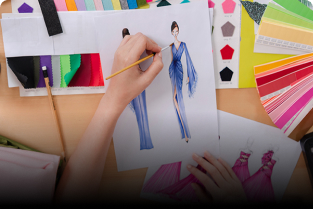
Fashion designing is much more than creating stylish clothing. It is a dynamic industry that influences the way people express themselves, reflects cultural values, and shapes global fashion trends. From luxury fashion houses to independent designers and sustainable brands, fashion designers play a vital role in defining what people wear and how they perceive style.
With rapid advancements in technology, increasing awareness of sustainability, and the rise of digital fashion, the fashion industry continues to evolve. Whether designing haute couture collections, everyday wear, or smart clothing, fashion designers combine creativity, technical expertise, and market knowledge to meet the changing needs of consumers worldwide.
In this blog, we’ll explore how fashion designing shapes modern style, influences global trends, and creates exciting career opportunities.
What Is Fashion Designing?
Fashion designing is the art and process of creating clothing, footwear, accessories, and other fashion products. Designers transform creative ideas into wearable garments by combining aesthetics, functionality, fabrics, colours, and innovative construction techniques.
Fashion designing involves:
- Researching fashion trends
- Sketching original designs
- Selecting suitable fabrics and materials
- Creating garment patterns
- Producing prototypes
- Working with manufacturers
- Marketing fashion collections
Fashion designers continuously adapt their designs to changing consumer preferences while maintaining originality and creativity.
The Importance of Fashion Designing
Fashion designing impacts society in several important ways.
1. Encourages Self-Expression
Fashion allows individuals to express their personalities, beliefs, and lifestyles through clothing choices. Designers create collections that appeal to different tastes, cultures, and identities.
2. Supports Economic Growth
The global fashion industry generates millions of jobs across design, manufacturing, retail, marketing, logistics, and e-commerce.
3. Reflects Cultural Heritage
Many designers incorporate traditional textiles, embroidery, craftsmanship, and regional influences into modern fashion, helping preserve cultural heritage while introducing it to international audiences.
4. Drives Innovation
Fashion designers constantly experiment with:
- New fabrics
- Sustainable materials
- Digital design tools
- Smart textiles
- 3D printing technologies
Innovation helps the industry remain competitive while meeting consumer expectations.
How Fashion Designing Shapes Modern Style
Modern fashion is constantly evolving due to the creativity and vision of fashion designers.
Trend Creation
Designers introduce seasonal collections that inspire trends seen across:
- Retail stores
- Online marketplaces
- Social media
- Celebrity fashion
- Street style
Many global trends begin on fashion runways before reaching everyday consumers.
Personalisation
Consumers increasingly seek clothing that reflects their individuality. Fashion designers now create:
- Custom-made garments
- Limited edition collections
- Personal styling experiences
Personalised fashion enhances customer satisfaction and brand loyalty.
Influence of Celebrity Culture
Celebrities, influencers, athletes, and entertainers often popularise fashion trends created by designers. Social media platforms allow styles to spread rapidly across the world.
Global Fashion Trends Influencing the Industry
Several major trends are shaping modern fashion designing.
Sustainable Fashion
Environmental awareness has encouraged brands to use:
- Organic fabrics
- Recycled materials
- Ethical production methods
- Eco-friendly packaging
- Circular fashion models
Consumers increasingly prefer brands that promote sustainability.
Digital Fashion
Virtual clothing, augmented reality (AR), and digital fashion shows are transforming the customer experience.
Fashion brands now offer:
- Virtual try-ons
- AI-generated designs
- Digital clothing for virtual environments
- Online fashion events
Gender-Inclusive Fashion
Many designers now focus on inclusive clothing collections that move beyond traditional gender boundaries, offering versatile designs for a broader range of consumers.
Technology Integration
Modern fashion increasingly incorporates technology through:
- Smart fabrics
- Wearable devices
- AI-assisted design
- 3D garment modelling
- Digital pattern making
Technology improves both creativity and production efficiency.
Essential Skills for Fashion Designers
Successful fashion designers develop both creative and technical abilities.
Creativity
Original ideas help designers stand out in a competitive market.
Drawing and Illustration
Sketching allows designers to communicate concepts before production begins.
Fabric Knowledge
Understanding different textiles helps designers choose materials that balance comfort, durability, and aesthetics.
Pattern Making
Pattern construction ensures garments fit correctly and can be manufactured efficiently.
Colour Theory
Effective colour combinations enhance visual appeal and influence consumer preferences.
Computer-Aided Design (CAD)
Modern designers frequently use software to create digital sketches, patterns, and technical specifications.
Communication Skills
Fashion designers collaborate with clients, manufacturers, photographers, marketers, and retailers throughout the design process.
Technology’s Role in Fashion Designing
Technology has transformed nearly every aspect of fashion design.
Some important technologies include:
- AI-assisted fashion forecasting
- 3D garment simulation
- Virtual fitting rooms
- Digital textile printing
- Laser cutting
- Automated manufacturing
- E-commerce platforms
- Fashion design software
These innovations reduce production time, improve accuracy, and enable designers to reach global audiences.
Career Opportunities in Fashion Designing
Fashion designing offers diverse career paths beyond apparel design.
Popular career options include:
- Fashion Designer
- Textile Designer
- Apparel Designer
- Costume Designer
- Fashion Stylist
- Fashion Illustrator
- Pattern Maker
- Fashion Merchandiser
- Fashion Buyer
- Fashion Consultant
- Visual Merchandiser
- Fashion Entrepreneur
- Sustainable Fashion Specialist
- Luxury Brand Designer
Professionals may work with fashion brands, retail companies, production houses, export businesses, or establish their own labels.
Challenges in Fashion Designing
Although rewarding, the profession comes with challenges.
Some common challenges include:
- Rapidly changing trends
- Intense competition
- Balancing creativity with commercial demand
- Managing production costs
- Meeting sustainability goals
- Intellectual property protection
- Global supply chain disruptions
Successful designers continuously learn, innovate, and adapt to industry changes.
Future of Fashion Designing
The future of fashion designing will be shaped by innovation, sustainability, and digital transformation.
Emerging developments include:
- AI-powered design assistance
- Virtual fashion collections
- Digital clothing for online platforms
- Bio-based and recyclable textiles
- Zero-waste manufacturing
- Personalised fashion through data analytics
- Smart clothing with integrated technology
As consumers demand more ethical, customised, and technologically advanced products, fashion designers will continue to redefine the industry.
Tips for Aspiring Fashion Designers
If you want to build a successful career in fashion designing:
- Learn the fundamentals of design and garment construction.
- Develop strong sketching and illustration skills.
- Stay updated on global fashion trends.
- Master industry-standard CAD software.
- Build a professional portfolio showcasing your work.
- Gain practical experience through internships or freelance projects.
- Network with industry professionals and attend fashion events.
- Explore sustainable and technology-driven design practices.
- Keep learning and refining your creative vision.
Conclusion
Fashion designing is a powerful blend of creativity, innovation, and cultural influence that shapes modern style and global trends. From introducing new aesthetics to promoting sustainability and embracing digital technologies, fashion designers play a significant role in transforming the industry and influencing how people express themselves.


