
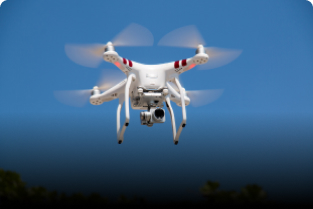
Drone engineering has emerged as one of the most innovative fields in modern technology, revolutionising the way cities are planned, managed, and maintained. Equipped with advanced sensors, cameras, GPS, Artificial Intelligence (AI), and autonomous navigation systems, drones are becoming indispensable tools in the development of smart cities and modern infrastructure.
From monitoring construction sites and inspecting bridges to assisting emergency responders and supporting environmental conservation, drones are helping governments and businesses improve efficiency, reduce costs, and enhance public safety. As urban populations continue to grow, drone technology is playing a crucial role in building smarter, safer, and more sustainable cities.
In this blog, we’ll explore the importance of drone engineering, its role in smart cities, key applications, benefits, challenges, career opportunities, and future trends.
What Is Drone Engineering?
Drone engineering is the design, development, manufacturing, programming, and maintenance of unmanned aerial vehicles (UAVs), commonly known as drones. It combines multiple engineering disciplines, including:
- Aerospace Engineering
- Mechanical Engineering
- Electrical Engineering
- Electronics Engineering
- Robotics
- Artificial Intelligence
- Embedded Systems
- Computer Vision
- Internet of Things (IoT)
- Software Engineering
Drone engineers develop systems that allow drones to fly autonomously, collect data, navigate safely, and perform specialised tasks across various industries.
Why Drone Engineering Matters
The growing adoption of drones is transforming industries by making operations faster, safer, and more efficient.
Drone engineering helps organisations:
- Improve infrastructure inspections
- Reduce operational costs
- Increase worker safety
- Collect accurate aerial data
- Enhance disaster response
- Support sustainable urban development
- Improve traffic management
- Enable precision agriculture
As smart cities become more connected, drones are increasingly integrated into digital infrastructure.
What Are Smart Cities?
Smart cities use advanced technologies to improve the quality of urban life while making city services more efficient and environmentally sustainable.
They rely on technologies such as:
- Internet of Things (IoT)
- Artificial Intelligence (AI)
- Cloud Computing
- Big Data Analytics
- Geographic Information Systems (GIS)
- 5G Connectivity
- Smart Sensors
- Drone Technology
Drone engineering supports these technologies by providing real-time aerial intelligence.
Applications of Drone Engineering in Smart Cities
Drone technology is transforming many aspects of urban development.
1. Infrastructure Inspection
Inspecting bridges, roads, tunnels, power lines, and buildings manually can be dangerous and time-consuming.
Drones can:
- Capture high-resolution images
- Detect structural damage
- Identify cracks and corrosion
- Generate 3D models
- Reduce inspection time
This improves maintenance planning while reducing safety risks.
2. Construction Site Monitoring
Construction companies use drones to monitor project progress throughout every stage.
Benefits include:
- Site mapping
- Progress tracking
- Material management
- Safety inspections
- Volume measurements
- Project documentation
Project managers can make better decisions using accurate aerial data.
3. Traffic Management
Traffic congestion remains a major challenge for growing cities.
Drones assist traffic authorities by:
- Monitoring traffic flow
- Detecting accidents
- Identifying congestion
- Supporting emergency routing
- Providing real-time updates
Combined with AI, drones help optimise urban mobility.
4. Emergency Response
Drone engineering significantly improves disaster management.
Emergency teams use drones for:
- Fire monitoring
- Flood assessment
- Earthquake damage surveys
- Search and rescue operations
- Hazard detection
- Medical supply delivery
Real-time aerial information enables faster and safer decision-making.
5. Environmental Monitoring
Smart cities increasingly rely on drones to protect natural resources.
Applications include:
- Air quality monitoring
- Water pollution detection
- Wildlife conservation
- Forest management
- Illegal dumping surveillance
- Urban green space assessment
These activities support sustainable urban development.
6. Utility and Energy Inspections
Energy providers use drones to inspect:
- Power transmission lines
- Wind turbines
- Solar farms
- Pipelines
- Communication towers
Drone inspections reduce downtime while improving worker safety.
7. Urban Planning
City planners use drones to collect accurate geographical information.
Drone-generated data helps with:
- Land surveying
- City expansion planning
- Infrastructure development
- Flood-risk analysis
- Population mapping
- Transportation planning
This allows more informed urban development decisions.
Technologies Used in Drone Engineering
Modern drones integrate multiple advanced technologies.
Key technologies include:
- Global Positioning System (GPS)
- Artificial Intelligence (AI)
- Machine Learning
- Computer Vision
- LiDAR
- Thermal Imaging Cameras
- Embedded Systems
- Internet of Things (IoT)
- 5G Communication
- Autonomous Navigation
- Obstacle Avoidance Systems
These technologies enable drones to operate safely and efficiently in complex environments.
Benefits of Drone Engineering
Drone technology offers numerous advantages for smart cities and infrastructure projects.
Increased Efficiency
Drones complete inspections and surveys much faster than traditional methods.
Enhanced Safety
They reduce the need for workers to access dangerous or hard-to-reach locations.
Cost Savings
Automated inspections lower labour, equipment, and operational costs.
Better Decision-Making
Real-time aerial data improves planning and resource allocation.
High-Quality Data Collection
Advanced sensors capture accurate images, videos, and 3D models for analysis.
Environmental Sustainability
Drone operations often consume fewer resources than conventional inspection methods, reducing environmental impact.
Challenges of Drone Engineering
Despite its benefits, drone engineering faces several challenges.
Regulatory Compliance
Drone operations must follow aviation regulations, airspace restrictions, and safety guidelines.
Privacy Concerns
Aerial data collection raises concerns about surveillance and personal privacy.
Battery Limitations
Flight time is often restricted by battery capacity.
Weather Conditions
Strong winds, rain, and poor visibility can affect drone performance.
Cybersecurity Risks
Connected drones require protection against hacking, data theft, and signal interference.
High Development Costs
Designing advanced drones requires significant investment in hardware and software.
Career Opportunities in Drone Engineering
The rapid adoption of drone technology has created strong demand for skilled professionals.
Popular career options include:
- Drone Engineer
- UAV Systems Engineer
- Drone Software Developer
- Robotics Engineer
- Embedded Systems Engineer
- Aerospace Engineer
- Computer Vision Engineer
- AI Engineer
- Drone Pilot
- Surveying Specialist
- Infrastructure Inspection Engineer
- GIS Analyst
- Drone Maintenance Technician
- Research and Development Engineer
Professionals can work in sectors such as construction, defence, agriculture, logistics, energy, telecommunications, and environmental management.
Essential Skills for Drone Engineers
To succeed in drone engineering, professionals should develop expertise in:
- Aerodynamics
- Embedded Systems
- Electronics
- Robotics
- Artificial Intelligence
- Programming (Python, C++, Java)
- Computer Vision
- CAD Design
- Sensor Integration
- IoT Systems
- Data Analysis
- Problem-Solving
- Project Management
A blend of engineering knowledge and practical experience is essential for building reliable drone systems.
Future Trends in Drone Engineering
Drone engineering continues to evolve with new technological innovations.
Key future trends include:
AI-Powered Autonomous Drones
Artificial Intelligence will enable drones to make independent decisions and complete complex missions with minimal human intervention.
Drone Swarms
Groups of drones working together will improve efficiency in search and rescue, agriculture, and infrastructure monitoring.
Smart Delivery Systems
Drones are expected to play a larger role in delivering medicines, food, and consumer goods, especially in remote or congested urban areas.
Digital Twin Integration
Drone-generated data will support digital twin models, allowing cities to simulate, monitor, and optimise infrastructure in real time.
Advanced Sensors
Future drones will feature more accurate LiDAR, thermal imaging, and environmental sensors for improved inspections and monitoring.
Green Drone Technology
Manufacturers are focusing on longer-lasting batteries, energy-efficient designs, and sustainable materials to reduce environmental impact.
Tips for Aspiring Drone Engineers
If you want to build a career in drone engineering:
- Learn the fundamentals of aerospace and electronics engineering.
- Develop programming skills in Python, C++, or Java.
- Gain experience with embedded systems and robotics.
- Understand AI, computer vision, and autonomous navigation.
- Learn CAD software for drone design.
- Build hands-on projects and prototype drones.
- Stay updated on aviation regulations and emerging technologies.
- Create a portfolio showcasing your technical skills and projects.
Conclusion
Drone engineering is playing a transformative role in the development of smart cities and modern infrastructure. By enabling efficient inspections, real-time monitoring, intelligent urban planning, and rapid emergency response, drones are helping governments and businesses create safer, more connected, and more sustainable communities.


