
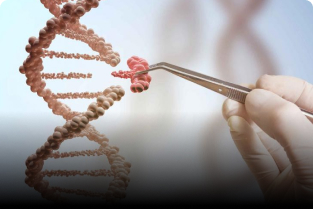
Genetic engineering and nanotechnology are two of the most transformative scientific fields of the 21st century. Individually, they have revolutionized medicine, agriculture, manufacturing, and environmental science. Together, they are creating groundbreaking solutions that improve human health, increase agricultural productivity, enhance industrial efficiency, and address global challenges such as climate change and resource scarcity.
Genetic engineering enables scientists to modify the DNA of living organisms, while nanotechnology focuses on manipulating materials at the nanoscale—typically between 1 and 100 nanometers—to create products with unique physical and chemical properties. The integration of these technologies is accelerating innovation across numerous industries and opening new possibilities for scientific discovery.
In this blog, we’ll explore the fundamentals of genetic engineering and nanotechnology, their applications across industries, benefits, challenges, and future potential.
What Is Genetic Engineering?
Genetic engineering is the process of altering an organism’s genetic material to achieve desired traits or outcomes. Scientists use advanced techniques to add, remove, or modify genes, allowing them to improve crops, develop new medical treatments, and study genetic diseases.
Common genetic engineering technologies include:
- CRISPR-Cas9 gene editing
- Recombinant DNA technology
- Gene cloning
- Gene therapy
- Synthetic biology
These technologies enable precise modifications that were once considered impossible.
What Is Nanotechnology?
Nanotechnology involves designing, manipulating, and applying materials at the nanoscale. At this size, materials often exhibit unique electrical, mechanical, optical, and chemical properties that differ from those at larger scales.
Nanotechnology is widely used in:
- Medicine
- Electronics
- Energy storage
- Construction
- Food packaging
- Environmental protection
- Consumer products
Its ability to improve material performance makes it a cornerstone of modern innovation.
How Genetic Engineering and Nanotechnology Work Together
Although genetic engineering and nanotechnology are distinct fields, they increasingly complement one another.
For example:
- Nanoparticles can deliver genes directly into target cells.
- Nano-based biosensors can detect genetic mutations.
- Nanomaterials improve the efficiency of gene-editing tools.
- Nano drug delivery systems enable targeted gene therapies.
The combination of these technologies supports more accurate diagnostics, personalized medicine, and advanced biomedical research.
Applications Across Industries
1. Healthcare and Medicine
Healthcare is one of the biggest beneficiaries of genetic engineering and nanotechnology.
Applications include:
- Gene therapy for inherited disorders
- Targeted cancer treatments
- Personalized medicine
- Early disease detection
- Nano-based drug delivery systems
- Regenerative medicine
- Tissue engineering
These innovations improve treatment precision while minimizing side effects.
2. Agriculture
Modern agriculture relies heavily on biotechnology to meet growing food demands.
Applications include:
- Genetically modified crops
- Pest-resistant plants
- Drought-tolerant crops
- Nano fertilizers
- Smart pesticides
- Soil monitoring sensors
These technologies increase crop yields while reducing environmental impact.
3. Pharmaceutical Industry
Pharmaceutical companies use both technologies to accelerate drug development.
Benefits include:
- Faster drug discovery
- Precision drug delivery
- Improved vaccine development
- Better treatment effectiveness
- Reduced medication dosage
- Enhanced patient outcomes
Nano carriers help medications reach specific tissues without affecting healthy cells.
4. Environmental Protection
Environmental sustainability has become a major focus for researchers.
Applications include:
- Water purification
- Pollution monitoring
- Oil spill cleanup
- Waste treatment
- Carbon capture technologies
- Biodegradable nanomaterials
Genetically engineered microorganisms can also help remove pollutants from contaminated environments.
5. Food Industry
Food safety and quality have improved through biotechnology and nanotechnology.
Examples include:
- Disease-resistant crops
- Improved nutritional value
- Smart food packaging
- Longer shelf life
- Rapid contamination detection
Consumers benefit from safer and more nutritious food products.
6. Manufacturing
Manufacturers use nanotechnology to create stronger, lighter, and more durable materials.
Applications include:
- High-performance coatings
- Lightweight composites
- Self-cleaning surfaces
- Corrosion-resistant materials
- Smart textiles
These innovations reduce production costs and improve product performance.
7. Energy Sector
The energy industry benefits from advanced materials and biotechnology.
Key innovations include:
- High-capacity batteries
- Efficient solar panels
- Hydrogen fuel technologies
- Biofuels
- Energy storage systems
Nanomaterials improve energy efficiency while supporting renewable energy development.
Benefits of Genetic Engineering and Nanotechnology
Improved Healthcare
Advanced treatments offer earlier diagnoses, more effective therapies, and personalized care for patients.
Increased Agricultural Productivity
Improved crop varieties help feed growing populations while conserving natural resources.
Industrial Innovation
Advanced materials improve product quality, durability, and manufacturing efficiency.
Environmental Sustainability
Cleaner technologies reduce pollution and encourage sustainable use of natural resources.
Economic Growth
These rapidly expanding industries create jobs, encourage research, and stimulate investment in innovation.
Enhanced Quality of Life
From better medicines to cleaner energy and safer food, these technologies positively impact everyday life.
Challenges and Ethical Considerations
Despite their benefits, both fields face important challenges.
Ethical Issues
- Gene editing in humans
- Genetic privacy
- Designer babies
- Biodiversity concerns
Safety Concerns
- Long-term health effects of nanomaterials
- Environmental impact
- Toxicity risks
- Disposal of nanomaterials
Regulatory Challenges
Governments continue to develop regulations governing:
- Clinical trials
- Food safety
- Environmental protection
- Consumer products
- Biotechnology research
Responsible innovation requires strong oversight and transparent policies.
Future Trends
Several emerging trends are expected to shape the future of these technologies.
Personalized Medicine
Genetic analysis combined with nanotechnology will allow treatments tailored to individual patients.
Smart Drug Delivery
Nanoparticles will deliver medications directly to diseased cells, improving treatment effectiveness.
Precision Agriculture
AI, biotechnology, and nanotechnology will work together to optimize farming and resource management.
Advanced Diagnostics
Portable nano biosensors will enable faster and more accurate disease detection.
Sustainable Manufacturing
Eco-friendly nanomaterials and engineered biological systems will reduce waste and energy consumption.
Artificial Intelligence Integration
AI will accelerate genetic research, material discovery, and product development.
Skills Required for Careers in Genetic Engineering and Nanotechnology
Professionals in these fields often require expertise in:
- Molecular biology
- Genetics
- Biotechnology
- Nanomaterials science
- Chemistry
- Biomedical engineering
- Data analysis
- Artificial intelligence
- Laboratory techniques
- Research methodology
Strong analytical thinking, problem-solving, and collaboration skills are also essential.
Career Opportunities
Growing demand has created exciting career paths, including:
- Genetic Engineer
- Molecular Biologist
- Biotechnology Research Scientist
- Nanotechnology Engineer
- Biomedical Engineer
- Pharmaceutical Scientist
- Clinical Research Associate
- Agricultural Biotechnologist
- Materials Scientist
- Research and Development Specialist
These careers are available in healthcare, pharmaceuticals, agriculture, manufacturing, government laboratories, and academic institutions.
Conclusion
Genetic engineering and nanotechnology are transforming industries by enabling innovations that improve healthcare, agriculture, manufacturing, energy, and environmental sustainability. Their combined potential is helping solve complex global challenges while driving scientific and economic progress.


