
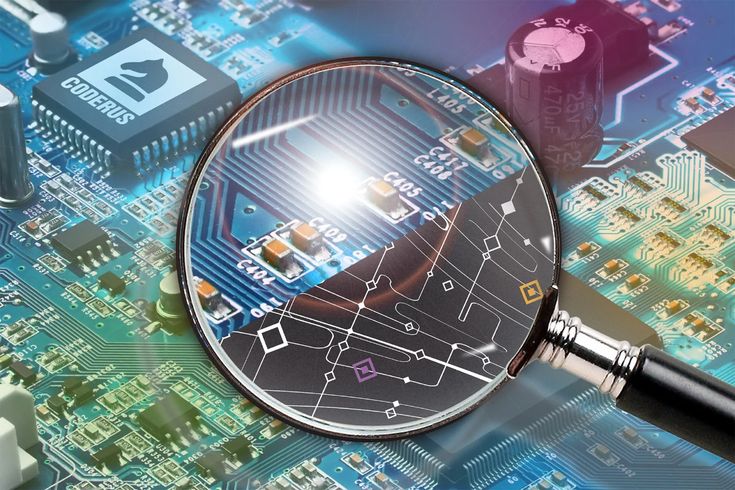
Embedded systems are an essential part of the technology we use every day. From smartphones and smart appliances to automobiles, medical equipment, industrial machines, and IoT devices, embedded systems enable electronic products to perform specific functions efficiently and reliably.
Unlike general-purpose computers designed to perform many different tasks, embedded systems are typically built to perform dedicated functions within a larger device or system. As automation, IoT, robotics, and smart technologies continue to grow, the importance of embedded systems is increasing across industries.
What Is an Embedded System?
An embedded system is a combination of hardware and software designed to perform a specific function or set of functions within a larger product or system.
An embedded system generally consists of:
- Microcontrollers or microprocessors
- Memory
- Sensors
- Actuators
- Input and output interfaces
- Embedded software or firmware
- Communication interfaces
- Power management components
For example, the electronic control unit in a modern vehicle can process information from sensors and control different vehicle functions.
How Embedded Systems Work
Embedded systems receive information from inputs such as sensors, buttons, or communication interfaces. The processor or microcontroller processes this information according to programmed instructions and produces an appropriate output.
A simplified embedded system workflow can be described as:
Input → Processing → Decision → Output
For example, a smart thermostat can receive temperature information from a sensor, process the reading, and activate or deactivate a heating or cooling system based on predefined conditions.
Types of Embedded Systems
Embedded systems can be categorized in several ways depending on their functionality and complexity.
Standalone Embedded Systems
These systems operate independently and perform dedicated tasks without requiring a connection to another computer.
Examples include digital clocks, calculators, and electronic control systems.
Real-Time Embedded Systems
Real-time systems must respond to inputs within a specific time limit. They are particularly important when delayed responses could affect system performance or safety.
Examples include automotive control systems, industrial automation, and certain medical devices.
Networked Embedded Systems
These systems communicate with other devices or networks to exchange information.
IoT devices, smart appliances, connected vehicles, and industrial monitoring systems are examples.
Mobile Embedded Systems
These systems are designed for portable devices and often have strict requirements related to power consumption, size, and performance.
Key Components of Embedded Systems
Microcontrollers
Microcontrollers are commonly used in embedded systems because they combine processing, memory, and input/output capabilities in a compact package.
They are widely used in appliances, sensors, vehicles, industrial equipment, and consumer electronics.
Microprocessors
Microprocessors provide greater processing capabilities and are often used in more complex embedded applications that require operating systems and advanced computing capabilities.
Sensors
Sensors collect information from the physical environment. They can measure temperature, pressure, light, motion, distance, humidity, and many other conditions.
Actuators
Actuators convert electrical signals into physical actions. Motors, valves, relays, and other mechanisms can act as actuators in embedded systems.
Memory
Embedded systems use different types of memory to store programs, configurations, and data. The appropriate memory architecture depends on the application’s requirements.
Role of Embedded Software
Hardware alone cannot make an embedded system function. Embedded software, often called firmware, provides instructions that tell the hardware how to operate.
Embedded software may be responsible for:
- Reading sensor data
- Controlling hardware components
- Managing communication
- Processing information
- Responding to user inputs
- Controlling power consumption
- Performing real-time operations
Developers commonly use programming languages such as C and C++ for embedded software development. Python and other languages may also be used in certain embedded and prototyping environments.
Embedded Systems and IoT
Embedded systems are one of the key technologies behind the Internet of Things. IoT devices use embedded hardware and software to collect information, communicate with networks, and perform automated actions.
For example, a smart agricultural system can use embedded controllers and sensors to monitor soil moisture and control irrigation equipment.
The combination of embedded systems, connectivity, cloud computing, and data analytics enables devices to become smarter and more responsive.
Embedded Systems in Automobiles
Modern vehicles contain numerous embedded systems. They help control and monitor various vehicle functions.
Applications include:
- Engine management
- Vehicle safety systems
- Airbag systems
- Infotainment
- Parking assistance
- Driver assistance
- Battery management
- Vehicle diagnostics
As electric and autonomous vehicles develop, embedded systems are becoming even more important to automotive technology.
Embedded Systems in Healthcare
Embedded technology is also widely used in healthcare equipment. Devices can use embedded processors and sensors to monitor conditions, control equipment, and process medical information.
Applications include:
- Patient monitoring equipment
- Diagnostic devices
- Wearable health devices
- Infusion systems
- Medical imaging equipment
- Rehabilitation equipment
Healthcare applications often require high reliability, accuracy, and careful testing.
Embedded Systems in Industrial Automation
Manufacturing facilities use embedded systems to monitor equipment and control automated processes.
Industrial embedded systems can help with:
- Machine control
- Production monitoring
- Robotics
- Predictive maintenance
- Quality control
- Process automation
- Energy management
The integration of embedded systems with IoT and robotics is helping create increasingly connected and intelligent factories.
Benefits of Embedded Systems
Embedded systems offer several advantages:
High Efficiency
They are designed for specific tasks, allowing hardware and software to be optimized for particular applications.
Reliability
Embedded systems can be designed to operate continuously and consistently, making them suitable for critical applications.
Compact Design
Many embedded systems can be built into small devices, making them ideal for portable electronics and compact products.
Low Power Consumption
Many embedded devices are designed to operate with limited power, which is particularly important for battery-powered products.
Real-Time Performance
Systems can respond quickly to inputs, making them suitable for applications that require immediate responses.
Challenges in Embedded Systems
Developing embedded systems also involves several challenges.
Hardware Limitations
Embedded devices may have limited memory, processing power, storage, or energy resources.
Security
Connected embedded devices can be exposed to cybersecurity threats. Developers need to consider authentication, encryption, secure updates, and other security measures.
Testing and Reliability
Embedded systems often interact with physical hardware, making testing more complex than traditional software development.
Power Management
Battery-powered devices require careful management of energy consumption to maximize operating time.
Career Opportunities in Embedded Systems
The growing use of embedded technology is creating opportunities for professionals with electronics and software skills.
Popular career roles include:
- Embedded Systems Engineer
- Embedded Software Developer
- Firmware Engineer
- Hardware Engineer
- IoT Engineer
- Automotive Embedded Engineer
- Robotics Engineer
- Embedded Linux Developer
- Systems Engineer
- Electronics Engineer
Professionals can work in industries such as automotive, consumer electronics, aerospace, healthcare, telecommunications, robotics, manufacturing, and IoT.
Skills Required for an Embedded Systems Career
Aspiring embedded systems professionals can focus on developing the following skills:
- C and C++ programming
- Microcontrollers and microprocessors
- Digital and analog electronics
- Embedded operating systems
- Firmware development
- Communication protocols
- Sensors and actuators
- Debugging and testing
- Real-time systems
- IoT technologies
- Basic electronics design
- Version control and software development practices
Hands-on experience is especially valuable. Building projects using development boards and sensors can help learners understand how hardware and software work together.
Future of Embedded Systems
The future of embedded systems is closely connected with IoT, robotics, artificial intelligence, edge computing, electric vehicles, and automation.
As devices become more intelligent, embedded systems will increasingly process information locally rather than sending every task to remote servers. This can improve response times, reduce network requirements, and support applications where fast decision-making is important.
The growth of smart vehicles, wearable devices, industrial automation, connected appliances, and intelligent machines will continue creating demand for embedded technologies.
Conclusion
Embedded systems are a fundamental part of modern technology. They combine hardware and software to perform specialized tasks efficiently and reliably across a wide range of applications.


