
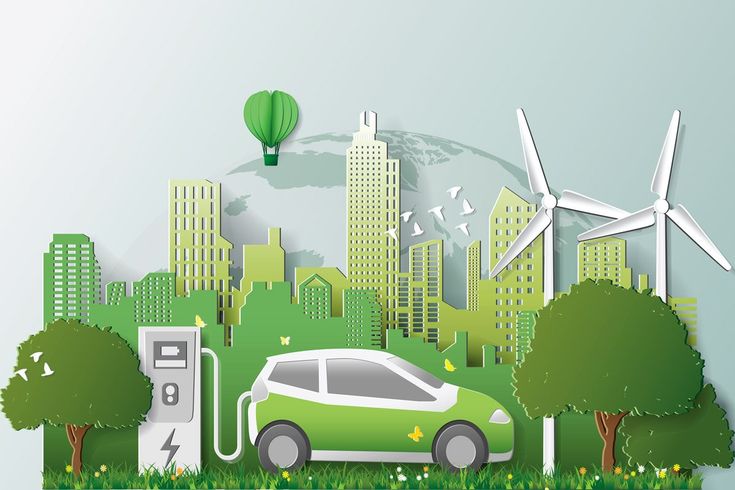
The automotive industry is undergoing a major transformation as the world moves toward cleaner, smarter, and more efficient transportation. Hybrid and electric vehicles (EVs) are at the center of this transition, offering alternatives to conventional petrol and diesel-powered vehicles.
With advancements in battery technology, electric motors, charging infrastructure, and intelligent vehicle systems, hybrid and electric vehicles are becoming increasingly practical for everyday transportation. They are not only changing how people travel but also creating new opportunities in engineering, technology, manufacturing, and sustainable mobility.
What Are Hybrid and Electric Vehicles?
Hybrid and electric vehicles use electric power in different ways.
A hybrid vehicle combines an internal combustion engine with one or more electric motors. Depending on the type of hybrid, the vehicle may use electric power, fuel, or both to improve efficiency and reduce fuel consumption.
An electric vehicle (EV) is powered primarily by electricity stored in a rechargeable battery. Instead of a conventional petrol or diesel engine, an EV uses an electric motor to generate movement.
Common types include:
- Hybrid Electric Vehicles (HEVs)
- Plug-in Hybrid Electric Vehicles (PHEVs)
- Battery Electric Vehicles (BEVs)
- Fuel Cell Electric Vehicles (FCEVs)
Each technology offers different advantages depending on driving requirements, infrastructure, cost, and environmental goals.
Why Are Hybrid and Electric Vehicles Becoming Popular?
Several factors are contributing to the growth of electrified transportation.
1. Lower Emissions
Electric vehicles produce no tailpipe emissions during operation. This can help reduce local air pollution, particularly in densely populated cities.
Hybrid vehicles can also reduce fuel consumption and emissions compared with conventional vehicles by using electric motors to support the engine.
2. Improved Energy Efficiency
Electric motors are highly efficient at converting electrical energy into movement. Regenerative braking can also recover some energy that would otherwise be lost as heat during braking.
This makes electric power an important part of modern vehicle efficiency strategies.
3. Advances in Battery Technology
Battery technology continues to improve in areas such as energy density, charging performance, durability, and cost.
Lithium-ion batteries currently dominate many EV applications, while researchers and manufacturers are also exploring technologies such as solid-state batteries and other advanced chemistries.
4. Growing Charging Infrastructure
Charging networks are expanding in many countries. Home chargers, workplace charging stations, public charging points, and fast-charging networks are making EV ownership increasingly convenient.
As infrastructure develops, concerns about charging accessibility can gradually decrease.
Hybrid vs. Electric Vehicles
While both technologies use electric power, they have important differences.
| Feature | Hybrid Vehicle | Electric Vehicle |
|---|---|---|
| Main power sources | Engine + electric motor | Electric motor |
| Fuel required | Usually yes | No petrol/diesel |
| Battery size | Generally smaller | Generally larger |
| Charging | Some hybrids charge through driving; PHEVs can plug in | Requires charging |
| Tailpipe emissions | Present | Zero during driving |
| Long-distance convenience | Generally high | Improving with charging networks |
| Maintenance | Combines engine and electric systems | Generally fewer mechanical components |
The right choice depends on factors such as driving distance, charging availability, budget, and personal requirements.
Key Technologies Behind Electric Vehicles
Modern EVs are more than cars with batteries. They combine several advanced technologies.
Battery Management Systems
A Battery Management System (BMS) monitors battery temperature, voltage, current, and overall health. It helps improve safety, performance, and battery lifespan.
Electric Motors
Electric motors provide instant torque, allowing many EVs to accelerate smoothly and quickly. Their compact design also gives manufacturers greater flexibility in vehicle architecture.
Regenerative Braking
Regenerative braking allows an electric motor to act as a generator when the vehicle slows down. Some of the recovered energy can be sent back to the battery.
Power Electronics
Power electronics control the flow of electrical energy between the battery, motor, and other systems. Components such as inverters and converters are essential to EV operation.
Connected and Intelligent Systems
Modern vehicles increasingly use sensors, software, connectivity, navigation systems, and artificial intelligence to improve safety, energy management, and the overall driving experience.
Benefits of Hybrid and Electric Vehicles
The transition toward electrified transportation offers several potential benefits.
Environmental benefits: Reduced tailpipe emissions and lower dependence on fossil fuels can support cleaner urban transportation.
Energy efficiency: Electric drivetrains can use energy more efficiently than conventional powertrains.
Lower operating costs: Electricity can cost less per kilometer than fuel in some markets, while EVs typically have fewer moving drivetrain components requiring maintenance.
Better driving experience: Electric motors provide quiet operation, smooth acceleration, and instant torque.
Technological innovation: EV development is accelerating innovation in batteries, software, charging, power electronics, and autonomous driving technologies.
Challenges Facing Electric Vehicles
Despite rapid progress, electric mobility still faces challenges.
Charging Time
Fast charging has improved significantly, but charging can still take longer than refueling a conventional vehicle, depending on the charger and vehicle.
Charging Infrastructure
Access to reliable charging remains an important consideration, particularly for people without convenient home charging.
Battery Cost and Raw Materials
Batteries require materials such as lithium, nickel, graphite, and other minerals. Responsible sourcing, recycling, and improved battery chemistry will be important for long-term sustainability.
Battery Degradation
Like other rechargeable batteries, EV batteries gradually lose capacity over time. Modern battery management and thermal-management systems are designed to slow this process.
Upfront Purchase Price
Some EVs and plug-in hybrids can have higher initial prices than comparable conventional vehicles. However, fuel and maintenance savings can influence their total cost of ownership.
The Role of Smart Mobility
The future of transportation is not only about replacing petrol engines with electric motors. It is also about creating smart mobility ecosystems.
Electric vehicles can connect with smartphones, navigation platforms, charging networks, energy-management systems, and cloud-based services. This connectivity can help drivers find charging stations, plan efficient routes, monitor vehicle performance, and manage charging schedules.
Vehicle-to-grid (V2G) technology could also allow compatible vehicles to interact with electricity grids, potentially enabling EV batteries to support energy management when appropriate.
Career Opportunities in Hybrid and Electric Vehicles
The growth of electric mobility is creating opportunities for professionals from many technical backgrounds.
Potential career areas include:
- EV design and development
- Battery engineering
- Automotive electronics
- Power electronics
- Embedded systems
- Electric motor design
- Battery management systems
- Vehicle software development
- Automotive cybersecurity
- Charging infrastructure
- Autonomous driving
- Vehicle testing and validation
- EV manufacturing and maintenance
Students and professionals interested in automotive technology can build valuable skills in electrical engineering, electronics, mechanical engineering, programming, embedded systems, data analysis, and battery technologies.
The Future of Hybrid and Electric Vehicles
The future of transportation is likely to involve a combination of technologies rather than a single solution. Battery-electric vehicles are expected to play an increasingly important role in passenger transportation, while hybrids and other technologies may remain valuable in applications where charging infrastructure, range, or operational requirements present challenges.
Future developments may include:
- Faster charging technologies
- Higher-energy-density batteries
- More affordable EVs
- Improved battery recycling
- Smarter charging networks
- Vehicle-to-grid integration
- Advanced driver-assistance systems
- Software-defined vehicles
- Greater use of AI in transportation
- More sustainable vehicle manufacturing
As these technologies mature, vehicles will increasingly become connected computing platforms as well as transportation machines.
Conclusion
Hybrid and electric vehicles are transforming the automotive industry and shaping the future of sustainable transportation. From efficient electric motors and advanced batteries to smart charging and connected vehicle technologies, electrification is driving innovation across the mobility sector.


