
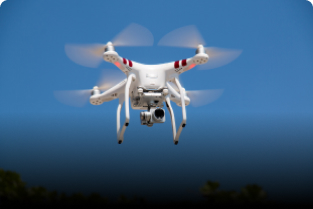
Drones have evolved from specialized aerospace technology into powerful tools used across industries. From aerial photography and agriculture to infrastructure inspection, logistics, defense, and disaster management, unmanned aerial vehicles (UAVs) are changing how businesses and organizations operate.
At the heart of this transformation is Drone Engineering—a multidisciplinary field that combines aerospace engineering, electronics, mechanical design, software development, robotics, artificial intelligence, and communication technologies.
For students and technology enthusiasts interested in an innovative career, drone engineering offers an opportunity to work on machines that can fly, sense their surroundings, collect data, and increasingly perform tasks with limited human intervention.
What Is Drone Engineering?
Drone engineering is the process of designing, developing, testing, operating, and improving unmanned aerial vehicles. Engineers work on everything from the drone’s physical structure and propulsion system to its sensors, flight controller, communication systems, and software.
Modern drones can be remotely controlled or designed to perform autonomous missions. This makes drone engineering closely connected with fields such as robotics, artificial intelligence, computer vision, embedded systems, and IoT.
Key Components of Drone Engineering
A professional drone is much more than a flying camera. It consists of several interconnected systems.
1. Airframe Design
The airframe provides the drone’s physical structure. Engineers select materials and designs that balance strength, weight, stability, and aerodynamic performance.
2. Propulsion Systems
Motors, propellers, electronic speed controllers, and batteries work together to generate the required thrust. Engineers optimize these components for flight time, efficiency, and performance.
3. Flight Controllers
The flight controller acts as the brain of the drone. It processes information from sensors and adjusts the motors to maintain stability and control.
4. Sensors and Navigation
Drones can use technologies such as GPS/GNSS, accelerometers, gyroscopes, cameras, altitude sensors, and other sensing systems to understand their position and surroundings.
5. Communication Systems
Reliable communication allows operators and drones to exchange commands and data. Depending on the application, drones may use radio, cellular, Wi-Fi, or other communication technologies.
6. Software and Artificial Intelligence
Software enables drones to perform navigation, image processing, mapping, object detection, route planning, and autonomous decision-making.
Applications of Drone Engineering
Drone engineering is contributing to innovation across numerous industries.
Agriculture
Agricultural drones can support crop monitoring, field mapping, plant health analysis, and other precision-agriculture activities. This can help farmers make more informed decisions and manage large areas efficiently.
Infrastructure Inspection
Drones can capture aerial images and video of bridges, buildings, towers, solar installations, pipelines, and other infrastructure. Engineers can analyze this data to identify potential problems while reducing the need for risky manual inspections.
Construction and Surveying
Construction companies can use drones for land surveys, progress monitoring, mapping, measurements, and site documentation. Drone-generated data can help teams understand how projects are developing over time.
Disaster Management
After floods, earthquakes, fires, or other disasters, drones can provide aerial views of affected areas. This can help emergency teams assess conditions and plan responses while reducing exposure to hazardous environments.
Logistics and Delivery
Autonomous aerial systems are being explored for specialized delivery applications. Drone engineering plays an important role in developing navigation, obstacle detection, payload management, and safety systems for these operations.
Media and Entertainment
Drones equipped with high-quality cameras have transformed aerial photography and videography. They are widely used for filmmaking, real estate photography, sports coverage, tourism, and promotional content.
Skills Required to Become a Drone Engineer
Drone engineering requires a combination of technical and problem-solving skills. Important areas include:
- Aerodynamics and aerospace fundamentals
- Mechanical design
- Electronics and circuit design
- Embedded systems
- Programming
- Robotics
- Control systems
- Computer vision
- Artificial intelligence and machine learning
- Sensors and navigation
- CAD and 3D modeling
- Testing and troubleshooting
- Data analysis
Programming languages such as Python and C/C++ can be particularly useful for drone software, embedded systems, robotics, and AI-related projects.
Educational Path for Drone Engineering
Students interested in this field can consider degrees or courses in areas such as:
- Aerospace Engineering
- Mechanical Engineering
- Electronics and Communication Engineering
- Electrical Engineering
- Computer Science
- Robotics and Automation
- Mechatronics
- Embedded Systems
Specialized certifications and practical drone training can complement an engineering degree. Building projects is also extremely valuable because drone engineering is a hands-on field.
Career Opportunities in Drone Engineering
As drone applications expand, professionals can explore several career paths, including:
- Drone Engineer
- UAV Design Engineer
- Flight Control Engineer
- Drone Software Developer
- Embedded Systems Engineer
- Robotics Engineer
- Autonomous Systems Engineer
- Drone Operations Specialist
- Computer Vision Engineer
- Drone Data Analyst
- UAV Testing Engineer
- AI/ML Engineer for Autonomous Systems
The exact opportunities depend on an individual’s educational background, technical skills, experience, and specialization.
Why Drone Engineering Is a Promising Career
Drone engineering brings together several rapidly developing technologies. Engineers can work on real-world problems involving autonomous navigation, robotics, computer vision, AI, and advanced sensing.
The field is also highly interdisciplinary. A professional may work with mechanical components one day and software, sensors, or data analysis the next. This makes drone engineering particularly attractive to people who enjoy combining engineering with emerging technology.
Future of Drone Engineering
The future of drone engineering is expected to focus increasingly on autonomy, artificial intelligence, improved battery technology, advanced sensors, and intelligent data processing.
Future drone systems may become better at understanding their environments, avoiding obstacles, planning routes, and completing complex missions with less human intervention.
Another important development is the integration of drones with broader digital systems. Drones may increasingly work alongside robotics, cloud platforms, IoT devices, AI systems, and real-time analytics.
As these technologies mature, engineers will need to focus not only on performance but also on reliability, cybersecurity, privacy, safety, and responsible operation.
How to Start Learning Drone Engineering
If you want to build a career in drone engineering, start by developing a strong foundation in mathematics, physics, electronics, and programming.
A practical learning path could include:
- Learn basic electronics and programming.
- Understand mechanics, aerodynamics, and control systems.
- Study embedded systems and microcontrollers.
- Learn about sensors and communication systems.
- Explore robotics and autonomous navigation.
- Develop basic computer vision and AI skills.
- Build and test small drone-related projects.
- Create a portfolio documenting your projects and technical skills.
Hands-on experience can make a major difference. Even small projects involving flight controllers, sensors, simulation, robotics, or computer vision can help you understand how different parts of a drone system work together.
Conclusion
Drone Engineering is shaping the future of intelligent aerial technology. By combining aerospace, electronics, mechanical engineering, software, robotics, and artificial intelligence, drone engineers are developing systems capable of performing increasingly sophisticated tasks.


