
Science and technology are rapidly transforming the way we understand living organisms, develop medicines, manufacture materials, and solve complex global challenges. Two fields at the forefront of this transformation are genetic engineering and nanotechnology.
Genetic engineering focuses on modifying or manipulating genetic material to achieve specific biological outcomes, while nanotechnology works with matter at extremely small scales to create materials and technologies with unique properties. Together, these fields are opening new possibilities in healthcare, agriculture, environmental science, manufacturing, and research.
What Is Genetic Engineering?
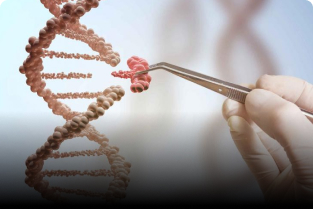
Genetic engineering is the deliberate modification of an organism’s genetic material using biotechnology techniques. Scientists can add, remove, modify, or regulate specific genetic sequences to study biological processes or develop useful products.
Modern genetic engineering can contribute to applications such as:
- Development of therapeutic proteins
- Genetic research
- Improved agricultural crops
- Disease research
- Industrial biotechnology
- Development of certain gene-based therapies
Technologies such as CRISPR-based genome editing have expanded the possibilities for precise genetic modification and biological research.
What Is Nanotechnology?
Nanotechnology involves designing, studying, and using materials and structures at the nanoscale. At this extremely small scale, materials can display physical, chemical, electrical, or optical properties that differ from their larger-scale forms.
Nanotechnology has applications across many industries, including:
- Medicine
- Electronics
- Energy
- Materials science
- Environmental technology
- Food and agriculture
- Manufacturing
Nanomaterials can be engineered for specific characteristics, making nanotechnology an important area of modern research and innovation.
Applications of Genetic Engineering
1. Healthcare and Medicine
Genetic engineering has become an important tool in biomedical research and pharmaceutical development. Scientists use genetic technologies to understand diseases, study biological mechanisms, and develop certain medical products.
Genetic engineering has contributed to the production of therapeutic proteins and is also being investigated for applications involving inherited and acquired diseases.
2. Agriculture
Agricultural biotechnology can use genetic engineering to develop crops with particular characteristics. Depending on the technology and regulatory framework, these traits may include improved resistance to certain pests, enhanced nutritional characteristics, or improved tolerance to environmental conditions.
Genetic technologies can therefore contribute to agricultural research and food-production strategies.
3. Scientific Research
Genetic engineering enables researchers to investigate how individual genes influence biological processes. Scientists can modify genes in research organisms and observe resulting changes, helping them understand disease mechanisms and cellular functions.
4. Industrial Biotechnology
Genetically engineered microorganisms can be used in biotechnology and industrial processes to produce useful compounds, enzymes, and other biological products.
This can support industries ranging from pharmaceuticals to food processing and bio-based manufacturing.
Applications of Nanotechnology
1. Nanomedicine
One of the most promising areas of nanotechnology is healthcare. Researchers are investigating nanoparticles and other nanoscale systems for drug delivery, diagnostic technologies, imaging, and other medical applications.
The goal is often to improve how treatments reach specific biological targets while potentially reducing unwanted effects.
2. Electronics
Nanotechnology contributes to the development of increasingly small and sophisticated electronic components. Nanoscale materials can provide useful electrical and optical properties for sensors, displays, memory technologies, and other electronic applications.
3. Energy
Nanomaterials are being studied for applications in batteries, solar cells, fuel cells, and energy-storage systems. Their specialized properties may help researchers improve efficiency, durability, or performance.
4. Environmental Applications
Nanotechnology can also support environmental research and technologies. Nanomaterials are being explored for water purification, pollution detection, filtration, and environmental monitoring.
Benefits of Genetic Engineering and Nanotechnology
Both fields offer significant opportunities for innovation.
Improved Healthcare
Genetic engineering can support the development of biological medicines and advanced therapies, while nanotechnology can contribute to drug delivery and diagnostic research.
Agricultural Innovation
Genetic technologies can help researchers develop crops with useful characteristics, potentially supporting food production under changing environmental conditions.
Advanced Materials
Nanotechnology allows scientists and engineers to develop materials with specialized properties that can be useful in electronics, construction, medicine, energy, and manufacturing.
Scientific Discovery
Both fields provide powerful tools for understanding biological systems and matter at very small scales. Their development can accelerate research across multiple scientific disciplines.
New Industrial Opportunities
As biotechnology and nanotechnology continue to develop, new products, services, research areas, and specialized industries are emerging.
Career Opportunities in Genetic Engineering
Students interested in biology, biotechnology, medicine, and laboratory research can explore several career paths.
Potential roles include:
- Genetic engineering researcher
- Molecular biology researcher
- Biotechnology scientist
- Genetic analyst
- Research associate
- Biomedical scientist
- Clinical research professional
- Bioprocessing specialist
- Agricultural biotechnology professional
- Quality-control scientist
Careers can exist across universities, research institutions, biotechnology companies, pharmaceutical organizations, agricultural companies, and government laboratories.
Career Opportunities in Nanotechnology
Nanotechnology is an interdisciplinary field involving physics, chemistry, biology, materials science, and engineering.
Possible career paths include:
- Nanotechnology researcher
- Materials scientist
- Nanomaterials engineer
- Biomedical nanotechnology researcher
- Semiconductor professional
- Research scientist
- Nanoelectronics engineer
- Chemical engineer
- Quality-control specialist
- Laboratory researcher
Professionals may work in areas such as advanced materials, electronics, healthcare, energy, manufacturing, and scientific research.
Skills Needed for a Career in These Fields
Building a career in genetic engineering or nanotechnology requires strong scientific knowledge and practical skills.
Important skills may include:
- Biology and genetics
- Chemistry
- Molecular biology
- Physics
- Materials science
- Laboratory techniques
- Data analysis
- Scientific research
- Programming and computational tools
- Critical thinking
- Problem-solving
- Technical communication
Because both fields are interdisciplinary, students can benefit from developing knowledge across multiple scientific and technological areas.
Educational Pathways
Students can begin with undergraduate programs in subjects such as biotechnology, genetics, biology, biochemistry, chemistry, physics, materials science, or engineering.
Advanced research-oriented careers may require a master’s degree or PhD, particularly for positions involving independent research and development.
Practical laboratory experience, internships, research projects, and exposure to modern scientific tools can also strengthen career prospects.
Challenges and Ethical Considerations
The rapid development of genetic engineering and nanotechnology also raises important questions.
Genetic technologies can involve ethical discussions surrounding genome editing, genetic privacy, biological research, and potential unintended consequences. Nanotechnology also requires careful evaluation of the environmental, health, and safety effects of certain nanomaterials.
Responsible research, appropriate regulation, safety assessment, and ethical decision-making are therefore essential as these technologies continue to develop.
The Future of Genetic Engineering and Nanotechnology
The future of both fields is closely connected to advances in artificial intelligence, automation, computational biology, advanced materials, and biotechnology.
Genetic engineering may contribute to increasingly precise biological research and therapeutic development. Nanotechnology may enable new approaches to medicine, electronics, energy, and materials engineering.
The combination of biological and nanoscale technologies could also create new opportunities at the intersection of biotechnology, medicine, materials science, and engineering.
Conclusion
Genetic engineering and nanotechnology are two important areas shaping the future of science and technology. Their applications range from healthcare and agriculture to electronics, energy, environmental research, and advanced manufacturing.


