
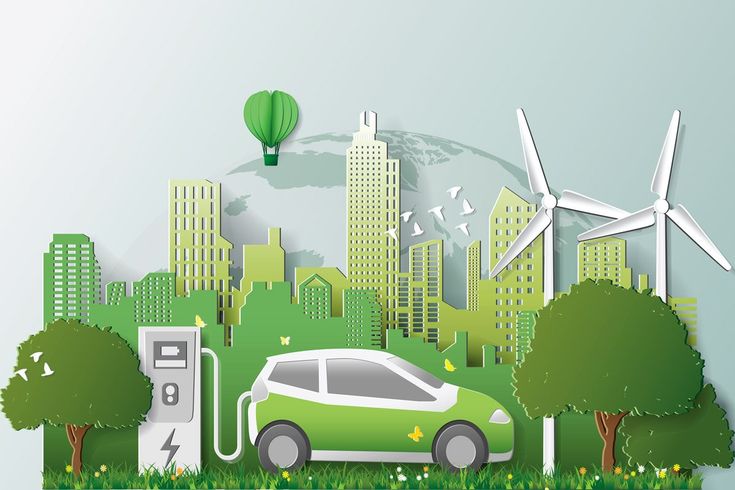
The automotive industry is experiencing a major transformation as hybrid and electric vehicles (EVs) become increasingly popular worldwide. With growing concerns about environmental pollution, rising fuel prices, and the need for sustainable transportation, many people are exploring alternatives to traditional petrol and diesel vehicles. Hybrid and electric vehicles offer innovative solutions that can help drivers reduce fuel expenses, lower emissions, and enjoy modern driving technology.
Whether you are planning to buy your first car or simply want to understand the future of transportation, learning about the benefits of hybrid and electric vehicles can help you make an informed decision.
What Are Hybrid and Electric Vehicles?
Before exploring their benefits, it is important to understand how these two types of vehicles work.
Hybrid vehicles combine an internal combustion engine with an electric motor and battery. Depending on the type of hybrid, the vehicle can use its petrol engine, electric motor, or both to improve fuel efficiency. Some hybrids recharge their batteries through regenerative braking, while plug-in hybrids can also be charged externally.
Electric vehicles (EVs), particularly battery-electric vehicles, run entirely on electricity stored in rechargeable batteries. They use an electric motor instead of a petrol or diesel engine and need to be charged using a compatible charging station or power outlet.
Both technologies offer advantages over conventional vehicles, although their costs, driving ranges, and charging or refuelling requirements differ.
1. Reduced Fuel and Energy Costs
One of the biggest benefits of switching to hybrid and electric vehicles is the potential to save money on fuel and energy.
Hybrid vehicles typically deliver better fuel efficiency than comparable conventional petrol cars because their electric motors support the engine during acceleration and low-speed driving. Some hybrids can also operate on electric power under suitable conditions.
Electric vehicles can be even more economical to operate because electricity often costs less per kilometre than petrol or diesel. Charging at home, especially during lower-cost electricity periods where available, can help drivers reduce their everyday transportation expenses.
However, actual savings depend on electricity and fuel prices, driving habits, vehicle efficiency, and charging costs.
2. Lower Environmental Impact
Hybrid and electric vehicles can help reduce the environmental impact of everyday transportation.
Battery-electric vehicles produce no tailpipe emissions while driving, which can improve local air quality. They also have the potential to reduce overall greenhouse gas emissions, depending on how the electricity used for charging is generated and how the vehicle and battery are manufactured.
Hybrid vehicles generally consume less fuel than comparable conventional cars, which can reduce their tailpipe carbon emissions.
For drivers who want to make more environmentally conscious transportation choices, these technologies offer practical alternatives to conventional petrol and diesel vehicles.
3. Improved Fuel Efficiency
Fuel efficiency is another important advantage of hybrid and electric vehicles.
Hybrid cars use technologies such as regenerative braking, automatic engine start-stop systems, and electric motor assistance to reduce fuel consumption. These features can be especially useful in stop-and-go city traffic.
Electric vehicles convert a relatively high proportion of their stored electrical energy into movement, making them highly energy-efficient compared with conventional internal combustion vehicles.
For commuters who regularly travel through busy urban areas, choosing an efficient hybrid or electric vehicle can make daily travel more economical.
4. Lower Maintenance Requirements
Electric vehicles generally have fewer moving parts in their powertrains than petrol and diesel vehicles. They do not require engine oil changes and typically have no conventional engine, exhaust system, or transmission arrangement that needs the same type of routine servicing.
Regenerative braking can also reduce wear on brake pads and discs, although the actual savings depend on driving conditions.
Hybrid vehicles still contain an internal combustion engine, so they require engine-related maintenance. Their maintenance needs can differ from those of conventional cars because of their additional electrical components and braking systems.
Although maintenance expenses vary by model, driving conditions, and repair costs, electric vehicles can offer meaningful long-term servicing savings.
5. A Quieter and Smoother Driving Experience
Hybrid and electric vehicles can provide a more comfortable driving experience.
Electric motors deliver power smoothly and respond quickly when the driver accelerates. Battery-electric vehicles also operate quietly because they do not have a conventional combustion engine.
Hybrid vehicles can offer quiet electric driving at low speeds when their systems allow it. When the petrol engine starts, however, some engine noise and vibration may be noticeable.
These characteristics make electrified vehicles attractive to people who value a smooth, quiet, and comfortable daily commute.
6. Advanced Technology and Smart Features
Many modern hybrid and electric vehicles include advanced technology designed to improve safety, comfort, and efficiency.
Common features may include:
- Regenerative braking systems that recover some energy during deceleration.
- Digital instrument displays that show energy consumption and driving range.
- Smartphone apps for checking battery charge and monitoring vehicle status.
- Navigation systems that help locate charging stations.
- Driver-assistance technologies such as adaptive cruise control and lane-keeping assistance.
- Connected vehicle features and software updates in supported models.
The availability of these features depends on the manufacturer, vehicle model, and trim level.
As automotive technology advances, hybrid and electric vehicles are helping make transportation more connected, efficient, and convenient.
7. Reduced Dependence on Petrol and Diesel
Electric vehicles allow drivers to reduce or eliminate their direct dependence on petrol and diesel for everyday travel.
Hybrid vehicles also reduce fuel consumption compared with many similar conventional cars, although they still rely on petrol or another combustion fuel.
For countries that import significant quantities of petroleum, wider adoption of electrified transportation can contribute to energy diversification. The overall benefit depends on electricity generation, charging infrastructure, and the broader energy supply chain.
For individual drivers, reduced fuel consumption can provide greater protection against fluctuations in petrol and diesel prices.
8. Regenerative Braking Technology
Regenerative braking is an important innovation used in most electric vehicles and many hybrid vehicles.
In a conventional braking system, much of the vehicle’s kinetic energy is converted into heat. Regenerative braking allows the electric motor to operate as a generator during deceleration, converting some of that energy into electricity and returning it to the battery.
This process can improve energy efficiency and extend driving range under suitable conditions. It can also reduce wear on conventional friction brakes.
Although regenerative braking cannot recover all the energy used to move a vehicle, it is a valuable feature that helps make electrified transportation more efficient.
9. Potential Long-Term Ownership Savings
The initial purchase price of a hybrid or electric vehicle may be higher than that of a comparable conventional car. However, the total cost of ownership can be competitive over time.
Potential savings may come from:
- Lower energy or fuel expenses.
- Reduced routine maintenance requirements, particularly for battery-electric vehicles.
- Government incentives or tax benefits where eligible.
- Lower brake wear in vehicles that frequently use regenerative braking.
Buyers should also consider insurance premiums, home charger installation, battery warranty coverage, depreciation, financing costs, and local electricity or fuel prices.
Comparing the total cost of ownership over the expected period of use is more useful than comparing purchase prices alone.
10. Growing Career and Business Opportunities
The growth of hybrid and electric vehicles is creating opportunities across the automotive and technology industries.
As manufacturers develop new vehicles and supporting infrastructure, demand may grow for professionals with skills in:
- Electric vehicle design and engineering.
- Battery technology and battery management systems.
- Power electronics and electric motor development.
- Embedded systems and automotive software.
- EV charging infrastructure and installation.
- Vehicle diagnostics, servicing, and maintenance.
- Automotive research and sustainable mobility.
Students and professionals interested in engineering, electronics, software development, or renewable energy can explore these fields as part of their career planning.
Hybrid vs. Electric Vehicles: Which Is Better?
The right choice depends on your driving habits, budget, and access to charging facilities.
| Feature | Hybrid Vehicles | Battery-Electric Vehicles |
|---|---|---|
| Primary energy source | Petrol and electricity | Electricity |
| Tailpipe emissions | Yes, when the engine runs | None while driving |
| Refuelling or charging | Usually refuel with petrol | Recharge the battery |
| Long-distance travel | Convenient where fuel stations are available | Depends on range and charging access |
| Routine maintenance | Engine and hybrid-system servicing | Generally fewer powertrain service requirements |
| Best suited for | Drivers seeking better fuel economy without relying on charging | Drivers with convenient charging and suitable daily driving needs |
Plug-in hybrid vehicles sit between these options: they can cover some trips using electricity and rely on their combustion engine for longer journeys or when the battery charge is depleted.
Challenges to Consider Before Switching
Despite their advantages, hybrid and electric vehicles have some limitations that buyers should consider.
Higher upfront costs: Some models cost more initially than comparable conventional vehicles.
Charging infrastructure: EV ownership is easier when drivers have reliable access to home, workplace, or public charging.
Charging time: Recharging usually takes longer than refuelling a conventional car, although charging speeds vary significantly.
Battery performance: Battery capacity and driving range can be affected by temperature, driving style, vehicle age, and use of heating or air conditioning.
Battery replacement and recycling: Batteries have a long service life in many vehicles, but eventual repair, replacement, and recycling require appropriate facilities and can involve significant costs.
Understanding these limitations helps buyers select a vehicle that suits their needs rather than relying on general claims about new technology.
The Future of Hybrid and Electric Vehicles
The future of transportation is likely to include a combination of hybrid vehicles, battery-electric vehicles, and other emerging technologies. Improvements in battery chemistry, charging infrastructure, power electronics, and vehicle software are helping make electrified transportation increasingly practical.
In India, the development of charging networks, growing interest in energy-efficient vehicles, and efforts to promote cleaner mobility are important factors influencing adoption. The pace of change will depend on vehicle affordability, infrastructure development, electricity availability, and consumer preferences.
Hybrid vehicles can serve as a practical option for people who want improved fuel economy without depending entirely on charging infrastructure. Battery-electric vehicles can be especially attractive to drivers who have convenient charging access and want to eliminate tailpipe emissions.
Conclusion
Switching to hybrid and electric vehicles offers several potential benefits, including lower energy expenses, improved efficiency, reduced tailpipe emissions, quieter operation, and access to modern automotive technology. Electric vehicles can provide particularly low routine maintenance requirements, while hybrid vehicles offer improved fuel economy without requiring drivers to rely exclusively on charging stations.


