
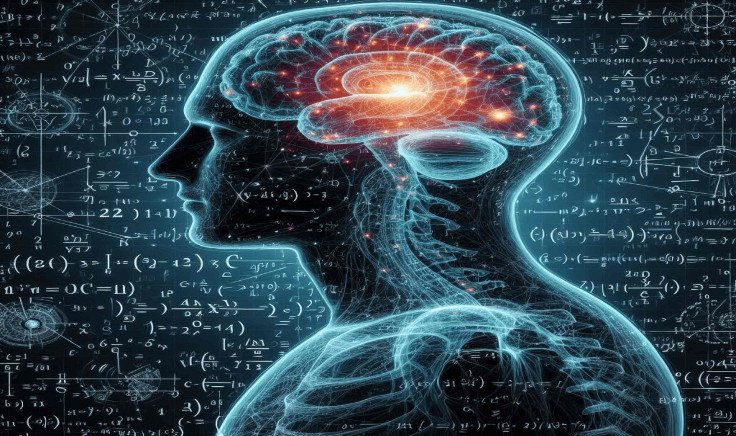
The human brain is one of the most complex organs in the body, controlling essential functions such as movement, memory, emotions, speech, and coordination. When something affects the brain or nervous system, it can influence a person’s daily activities, overall health, and quality of life. This is where neurology plays an important role in modern healthcare.
Neurology is a medical specialty focused on understanding, diagnosing, treating, and managing disorders of the brain, spinal cord, and nerves. Neurologists use clinical examinations, advanced diagnostic technologies, and evidence-based treatments to identify neurological conditions and help patients manage their symptoms. From migraines and epilepsy to stroke and Parkinson’s disease, neurology contributes significantly to the diagnosis and treatment of a wide range of brain disorders.
What Is Neurology?
Neurology is a branch of medicine dedicated to the study and treatment of the nervous system. The nervous system consists of the central nervous system, which includes the brain and spinal cord, and the peripheral nervous system, which connects the central nervous system to the rest of the body.
Neurologists are doctors who specialize in identifying neurological problems and developing appropriate treatment plans. They may treat patients experiencing persistent headaches, seizures, memory difficulties, muscle weakness, tremors, or problems with balance and coordination.
Neurology also involves long-term care for chronic neurological conditions, helping patients manage symptoms, maintain independence, and improve their quality of life.
Common Brain Disorders Treated in Neurology
Neurologists diagnose and manage numerous conditions affecting the brain and nervous system. Some common examples include:
1. Stroke
A stroke occurs when blood flow to part of the brain is interrupted or when bleeding occurs in the brain. It can cause sudden weakness, difficulty speaking, vision problems, confusion, or loss of balance.
Neurologists play an important role in recognizing stroke symptoms, coordinating urgent diagnostic assessments, and guiding treatment. Some patients may benefit from time-sensitive treatments that restore blood flow, while others require different approaches depending on the type of stroke.
Important: A suspected stroke is a medical emergency. Sudden facial drooping, arm weakness, or speech difficulty requires immediate emergency medical attention.
2. Epilepsy
Epilepsy is a neurological condition characterized by a tendency to experience recurrent, unprovoked seizures. Seizures can affect awareness, movement, sensations, or behavior.
Neurologists evaluate seizure history, perform neurological assessments, and may recommend tests such as electroencephalography (EEG) and brain imaging. Treatment often involves anti-seizure medication, while selected patients may benefit from surgery or other specialized therapies.
3. Migraine and Other Headaches
Migraines are neurological disorders that can cause recurring headaches, nausea, sensitivity to light and sound, and sometimes visual or sensory disturbances known as aura.
Neurologists help distinguish migraines from other headache disorders and identify warning signs that may indicate a more serious condition. Treatment may include medications to relieve attacks, preventive therapies, lifestyle adjustments, and management of contributing factors.
4. Parkinson’s Disease
Parkinson’s disease is a progressive neurological disorder that affects movement. Common symptoms include tremors, muscle stiffness, slowed movement, and difficulties with balance.
Neurologists assess symptoms, review medical history, and evaluate movement patterns to help establish a diagnosis. Treatment may include medication, physical therapy, occupational therapy, and other supportive approaches tailored to the patient’s needs.
5. Alzheimer’s Disease and Other Dementias
Alzheimer’s disease is a progressive condition that affects memory, thinking, and behavior. Other forms of dementia can also interfere with reasoning, communication, and everyday activities.
Neurologists evaluate cognitive changes, review medical history, assess daily functioning, and may recommend cognitive testing, laboratory investigations, and brain imaging. Early evaluation can help identify potentially treatable causes of memory problems and support appropriate care planning.
6. Brain Tumors
Brain tumors may be benign or malignant and can affect different brain functions depending on their location and size. Symptoms may include persistent or worsening headaches, seizures, weakness, vision changes, or cognitive difficulties.
Neurologists help assess symptoms and interpret diagnostic findings. Depending on the suspected tumor, care may involve neurosurgeons, oncologists, radiologists, and other specialists. Treatment options can include surgery, radiation therapy, chemotherapy, targeted treatments, or monitoring.
How Neurology Helps Diagnose Brain Disorders
Accurate diagnosis is essential for selecting the most appropriate treatment. Neurologists use several methods to understand the cause of a patient’s symptoms.
1. Medical History and Neurological Examination
The diagnostic process usually begins with a detailed medical history. A neurologist may ask about symptoms, when they began, their frequency, family medical history, medications, and previous illnesses.
A neurological examination evaluates functions such as muscle strength, reflexes, sensation, coordination, balance, speech, vision, and memory. The results help the doctor identify possible areas of nervous system dysfunction and decide which tests may be necessary.
2. Magnetic Resonance Imaging (MRI)
MRI uses magnetic fields and radio waves to produce detailed images of the brain and other body structures. It can help identify tumors, inflammation, structural abnormalities, certain types of brain injury, and changes associated with neurological diseases.
MRI findings are interpreted alongside symptoms and examination results rather than being used as the sole basis for every diagnosis.
3. Computed Tomography (CT) Scans
CT scans use X-rays to create cross-sectional images of the brain. They are particularly useful in emergency settings, including suspected stroke, head injury, or bleeding in the brain.
CT imaging can provide rapid information that helps doctors determine the next steps in diagnosis and treatment.
4. Electroencephalography (EEG)
EEG records electrical activity in the brain using electrodes placed on the scalp. It is commonly used to evaluate suspected seizures and certain other conditions that affect brain activity.
The results can help neurologists assess patterns of electrical activity, although a normal EEG does not necessarily rule out epilepsy.
5. Blood Tests and Other Investigations
Blood tests may help identify conditions that cause or contribute to neurological symptoms, such as metabolic imbalances, nutritional deficiencies, infections, or certain inflammatory disorders.
Depending on the situation, neurologists may also recommend nerve conduction studies, electromyography (EMG), cerebrospinal fluid analysis, or specialized cognitive assessments.
Treatment Approaches in Neurology
Treatment depends on the specific neurological condition, its severity, the patient’s overall health, and the available evidence for different therapies.
1. Medication
Medications are commonly used to control symptoms, prevent complications, or manage underlying neurological conditions. For example, neurologists may prescribe anti-seizure medications for epilepsy, migraine therapies for recurring headaches, or medications to improve certain symptoms of Parkinson’s disease.
Treatment must be individualized because medication effectiveness and potential side effects vary among patients.
2. Surgical Treatment
Some neurological conditions require surgery. Brain tumors, certain forms of epilepsy, and selected cases of bleeding or pressure within the skull may require surgical assessment.
Neurologists often collaborate with neurosurgeons to determine whether surgery is appropriate and to coordinate care before and after a procedure.
3. Rehabilitation and Physical Therapy
Neurological disorders can affect movement, speech, memory, and everyday functioning. Rehabilitation helps patients regain abilities when possible and develop strategies to manage ongoing difficulties.
Depending on the condition, rehabilitation may include physical therapy, occupational therapy, speech and language therapy, and cognitive rehabilitation.
4. Lifestyle and Supportive Care
Healthy lifestyle habits can support overall brain health and complement medical treatment. Regular physical activity, adequate sleep, a balanced diet, and management of conditions such as high blood pressure and diabetes can be beneficial.
For people living with chronic neurological conditions, emotional support, caregiver education, and regular medical follow-up are also important parts of comprehensive care.
The Role of Technology in Modern Neurology
Technological developments have expanded the tools available for diagnosing and managing neurological conditions.
Some important advances include:
- Advanced brain imaging: Improved imaging techniques help clinicians examine brain structures and certain aspects of brain function.
- Artificial intelligence: AI tools are being developed to assist with medical image analysis, pattern recognition, and clinical decision support.
- Tele-neurology: Remote consultations can help patients access neurological expertise when in-person appointments are difficult.
- Wearable devices: Certain devices can track movement, sleep, or other signals that may help clinicians monitor symptoms over time.
- Precision medicine: Research into genetics and disease mechanisms is helping specialists identify more individualized approaches to selected neurological conditions.
These technologies can support clinical decision-making, but they do not replace professional assessment. Their usefulness depends on the condition, the quality of available data, and appropriate medical interpretation.
Why Early Diagnosis Matters
Early assessment can be important when symptoms suggest a neurological disorder. Timely diagnosis may allow treatment to begin sooner, help prevent complications in certain conditions, and provide patients and families with a clearer understanding of what to expect.
For example, rapid treatment of an acute stroke can reduce the risk of long-term disability in eligible patients. Early evaluation of recurring seizures can help establish an appropriate management plan, while assessment of memory changes may identify treatable causes or allow earlier support.
Not every neurological condition can be cured, and early diagnosis does not guarantee a particular outcome. However, appropriate evaluation and follow-up can often improve symptom management, safety, and quality of life.
Career Opportunities in Neurology
Neurology offers career opportunities for medical professionals interested in brain function, complex diagnosis, clinical research, and patient care.
In India, becoming a neurologist generally requires completing an MBBS degree, postgraduate training in general medicine or an accepted equivalent pathway, and specialized training in neurology according to applicable medical education requirements.
Career opportunities may include:
- Clinical neurologist in a hospital or specialty clinic.
- Academic or teaching neurologist.
- Neurological researcher.
- Specialist working in stroke care or epilepsy services.
- Professional involved in clinical trials and neurological drug development.
Neurology requires strong analytical thinking, attention to detail, communication skills, and a commitment to continuous learning. It can be a rewarding specialty for doctors who want to understand complex medical conditions and help patients manage disorders that affect daily life.
Conclusion
Neurology plays a vital role in diagnosing, treating, and managing brain disorders. Through detailed neurological examinations, advanced diagnostic tests, medication, rehabilitation, and collaboration with other medical specialists, neurologists help patients address a wide range of neurological conditions.
Ongoing advances in brain imaging, artificial intelligence, and personalized treatment are creating new possibilities for neurological care. Nevertheless, accurate diagnosis still depends on careful clinical assessment, appropriate investigations, and individualized treatment decisions.
Understanding the role of neurology highlights the importance of recognizing neurological symptoms, seeking timely medical evaluation, and following evidence-based treatment plans. With appropriate care and support, many patients can better manage their conditions and maintain a higher quality of life.
Frequently Asked Questions (FAQs)
1. What is the main role of neurology?
Neurology focuses on diagnosing, treating, and managing disorders of the brain, spinal cord, and peripheral nerves.
2. Which brain disorders do neurologists treat?
Neurologists treat or manage conditions such as epilepsy, migraine, stroke, Parkinson’s disease, dementia, and certain other neurological disorders. Brain tumors may require coordinated care with neurosurgeons and oncologists.
3. What tests do neurologists use to diagnose brain disorders?
Depending on the symptoms, tests may include MRI, CT scans, EEG, blood tests, nerve conduction studies, and cognitive assessments.
4. Why is early diagnosis important in neurology?
Early diagnosis can help identify the cause of symptoms, guide treatment, reduce complications in certain conditions, and support better long-term management.
5. When should someone consult a neurologist?
A person may need neurological assessment for recurring severe headaches, unexplained seizures, persistent tremors, progressive memory difficulties, or ongoing weakness and balance problems. Sudden facial drooping, weakness on one side, speech difficulty, or other possible stroke symptoms require immediate emergency care rather than a routine appointment.


