
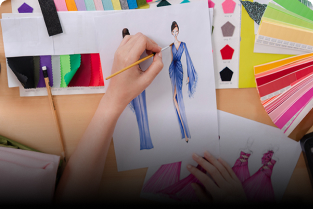
Fashion designing is an exciting career that combines creativity, innovation, technical knowledge, and an understanding of changing fashion trends. From designing everyday clothing to creating luxury collections, fashion designers play an important role in shaping the fashion industry. As the demand for unique styles, sustainable clothing, and personalized fashion continues to evolve, aspiring designers have numerous opportunities to build rewarding careers.
However, becoming a successful fashion designer requires more than an interest in clothing and styling. It involves developing practical skills, understanding fabrics, learning design techniques, building a strong portfolio, and staying updated with industry trends. Whether you are a student, a beginner, or someone considering a career change, understanding the right steps can help you achieve your goals in fashion designing.
What Is Fashion Designing?
Fashion designing is the process of creating clothing, footwear, accessories, and other fashion products. It involves researching trends, developing creative concepts, selecting fabrics, preparing sketches, creating patterns, and producing finished garments.
Fashion designers work with different materials, colors, textures, and silhouettes to develop products that meet the needs of their target audience. Some specialize in traditional clothing, while others focus on contemporary fashion, sportswear, luxury apparel, or sustainable fashion.
Fashion designing combines artistic expression with technical expertise, making it a suitable career for individuals who enjoy creativity, problem-solving, and innovation.
1. Develop Your Creativity and Fashion Knowledge
Creativity is one of the most important qualities of a fashion designer. Successful designers can transform ideas, cultural influences, personal experiences, and current trends into distinctive designs.
To strengthen your creative abilities, start by observing clothing styles, exploring fashion magazines, studying runway collections, and following established designers. Pay attention to how colors, fabrics, patterns, and silhouettes work together.
You can also maintain a fashion inspiration journal containing sketches, fabric samples, color combinations, and photographs of interesting designs.
Tips to improve creativity:
- Practice sketching clothing designs regularly.
- Experiment with different colors, patterns, and textures.
- Explore traditional and contemporary fashion styles.
- Study the work of established fashion designers.
- Develop your own design perspective instead of copying existing trends.
Consistent practice helps you discover your preferences and gradually develop a recognizable creative style.
2. Choose the Right Fashion Designing Course
Although some designers learn through independent practice, formal education can provide structured knowledge and practical experience. A fashion designing course helps students understand design principles, garment construction, textile science, and the fashion industry’s working processes.
Depending on your educational background and career goals, you can consider:
- Diploma in Fashion Designing: Suitable for learners seeking foundational knowledge and practical training.
- Bachelor’s degree in Fashion Design: Provides broader education in design, textiles, garment construction, and fashion business.
- Certificate courses: Useful for learning specific skills such as fashion illustration, pattern making, or fashion styling.
- Specialized courses: Focus on areas such as sustainable fashion, costume design, fashion merchandising, or digital fashion.
When selecting a course, examine the curriculum, faculty experience, practical workshops, internship opportunities, industry connections, and student portfolios.
A degree is not the only possible route into fashion designing, but the right education can improve your technical skills and professional opportunities.
3. Master Essential Fashion Designing Skills
To build a successful career, you need a combination of artistic, technical, and professional skills.
Fashion Illustration
Fashion illustration helps designers communicate their ideas through sketches. Learning to draw garments, understand proportions, and represent different fabrics can make your design concepts easier to visualize.
Pattern Making
Pattern making involves creating templates used to cut fabric into specific garment shapes. It is an essential skill for turning an initial design into a wearable product.
Garment Construction and Sewing
Understanding stitching techniques, garment assembly, fitting, and finishing helps designers create clothing that is both attractive and functional.
Fabric and Textile Knowledge
Different fabrics behave differently. Cotton, silk, denim, wool, linen, and synthetic textiles have distinct properties that influence comfort, durability, drape, and appearance.
Color Theory
Understanding color combinations, contrast, and color psychology helps designers develop visually appealing collections and consistent design concepts.
Trend Research
Fashion designers must understand changing customer preferences, cultural influences, seasonal collections, and emerging market trends.
Developing these skills together will help you create designs that combine originality with practical usability.
4. Learn Fashion Designing Software and Digital Tools
Technology has become an important part of the fashion industry. Digital tools allow designers to develop illustrations, create garment patterns, visualize collections, and communicate ideas more efficiently.
Some useful tools include:
- Adobe Illustrator: For technical garment drawings, fashion flats, and digital illustrations.
- Adobe Photoshop: For mood boards, image editing, textile patterns, and visual presentations.
- CLO 3D: For creating and visualizing three-dimensional digital garments.
- Browzwear: For digital garment development and virtual sampling.
- CAD pattern-making software: For developing and modifying garment patterns digitally.
Beginners do not need to master every tool immediately. Start with software that matches your specialization, then expand your knowledge as your projects become more complex.
Digital skills can be especially valuable for designers interested in fashion technology, e-commerce, virtual clothing, and modern apparel production.
5. Build a Strong Fashion Design Portfolio
A portfolio is one of the most important tools for presenting your abilities to potential employers, clients, and collaborators. It demonstrates how you develop ideas, solve design challenges, and turn concepts into finished products.
Your portfolio should showcase your best work rather than simply containing a large number of designs.
Consider including:
- Original fashion sketches and illustrations.
- Mood boards and design inspiration.
- Color palettes and fabric selections.
- Technical drawings and garment specifications.
- Pattern-making or garment-construction projects.
- Photographs of completed garments.
- Digital fashion designs and 3D visualizations, if relevant.
For each project, briefly explain the concept, intended audience, materials, and design process.
If you are a beginner without professional experience, create personal projects or design a small collection around a theme. You can also document the process of transforming an initial sketch into a finished garment.
A well-organized portfolio demonstrates both your creativity and your ability to execute ideas.
6. Gain Practical Experience Through Internships
Practical experience helps you understand how the fashion industry operates beyond the classroom. Internships and entry-level opportunities allow you to observe professional workflows, collaborate with experienced designers, and develop workplace skills.
You can look for opportunities with fashion houses, clothing manufacturers, textile companies, boutiques, costume designers, or fashion retailers.
During an internship, you may assist with research, sample development, fabric sourcing, garment fittings, technical documentation, or collection preparation.
To make the most of the experience:
- Apply to organizations that match your interests.
- Prepare a concise résumé and a relevant portfolio.
- Be willing to learn from routine assignments.
- Ask questions and seek constructive feedback.
- Maintain professional relationships with colleagues and mentors.
Even a short period of practical experience can help you understand your strengths and identify areas where you need further training.
7. Explore Different Career Opportunities in Fashion Designing
Fashion designing offers a variety of career paths. Your ideal specialization will depend on your interests, technical strengths, and long-term goals.
Some common options include:
Fashion Designer: Creates clothing collections for brands, fashion houses, or independent labels.
Textile Designer: Develops fabric prints, patterns, textures, and surface designs.
Fashion Illustrator: Produces visual representations of fashion concepts and clothing designs.
Fashion Stylist: Selects clothing and accessories for individuals, photoshoots, advertisements, or media productions.
Pattern Maker: Converts garment concepts into patterns used in clothing production.
Costume Designer: Creates clothing for films, television, theatre, and other productions.
Fashion Merchandiser: Helps plan product ranges, analyze market demand, and coordinate fashion products with business objectives.
Fashion Entrepreneur: Launches and manages an independent clothing brand or fashion business.
Researching these roles can help you choose a specialization that aligns with your abilities and career ambitions.
8. Stay Updated With Fashion Trends
The fashion industry changes continuously as consumer preferences, technologies, cultural influences, and environmental concerns evolve.
Successful designers stay informed without blindly following every trend. They learn to identify which developments are relevant to their target audience and design philosophy.
You can keep up with the industry by following fashion weeks, reading industry publications, exploring designers’ collections, and observing customer preferences on digital platforms.
Pay attention to developments such as sustainable materials, circular fashion, digital garment design, inclusive sizing, and the growing use of technology in apparel development.
Trend research should support your creativity rather than replace it. Developing a distinctive point of view can help your work stand out in a competitive market.
9. Develop Networking and Communication Skills
Fashion designing is a collaborative profession. Designers regularly work with pattern makers, tailors, textile suppliers, photographers, stylists, manufacturers, and marketing teams.
Strong communication skills help you explain your ideas, understand feedback, and coordinate projects effectively.
Networking can also introduce you to new opportunities. Attend fashion exhibitions, workshops, design competitions, industry events, and professional meetups whenever possible.
You can build professional connections through platforms such as LinkedIn, online fashion communities, and portfolio websites.
When sharing your work, present it professionally and communicate clearly about your skills, interests, and experience. Genuine professional relationships can lead to mentorship, collaborations, internships, and employment opportunities.
10. Consider Freelancing or Starting Your Own Fashion Brand
If you prefer independence, freelancing or entrepreneurship can provide alternative career paths.
Freelance fashion designers may work on custom clothing, fashion illustrations, technical drawings, textile prints, costume projects, or design support for established brands.
Starting a fashion brand involves additional responsibilities, including product development, budgeting, pricing, sourcing, production, marketing, and customer service.
Before launching a business, research your target audience and identify a clear market opportunity. Start with a manageable collection, test customer interest, and calculate production costs carefully.
Digital platforms and social media can help new designers showcase products and connect with potential customers. However, long-term success depends on product quality, customer satisfaction, financial planning, and consistent branding.
11. Understand the Importance of Sustainable Fashion
Sustainability is an important consideration for modern fashion designers. The production, use, and disposal of clothing can have environmental and social impacts, making responsible design practices increasingly relevant.
Designers can explore ways to reduce waste, extend garment life, and use resources more efficiently.
Some practical approaches include:
- Selecting durable materials and considering lower-impact alternatives.
- Designing versatile garments that can be worn in different ways.
- Reducing fabric waste during pattern cutting.
- Exploring upcycling and recycling.
- Supporting responsible sourcing and transparent production practices.
- Designing products that are easier to repair and maintain.
Sustainable fashion requires careful evaluation of materials, manufacturing processes, durability, and end-of-life options. Learning these principles can help designers respond to changing industry expectations and customer interests.
12. Create a Career Development Plan
Building a successful career becomes easier when you have clear goals and a practical plan.
Start by identifying your preferred specialization, assessing your current skills, and deciding what you need to learn next.
A simple career development plan might look like this:
First 3 months: Learn the fundamentals of fashion illustration, color theory, textiles, and garment construction.
Months 4–6: Practice pattern making, explore relevant digital tools, and complete small design projects.
Months 7–9: Develop a focused portfolio, seek feedback, and participate in workshops or design competitions.
Months 10–12: Apply for internships, entry-level roles, freelance projects, or further specialized training.
This timeline is a flexible example rather than a fixed requirement. Your progress will depend on your starting skills, available time, training, and career goals.
Continue reviewing your work, updating your portfolio, and setting new goals as you gain experience.
Conclusion
Building a successful career in fashion designing requires creativity, technical expertise, practical experience, and a willingness to keep learning. From choosing the right course and mastering essential skills to developing a professional portfolio and exploring career opportunities, every step contributes to your professional growth.
Aspiring designers should focus on building strong foundations, experimenting with original ideas, understanding industry requirements, and developing professional connections. Staying informed about technology and sustainable fashion can also help you adapt to the industry’s changing needs.


