
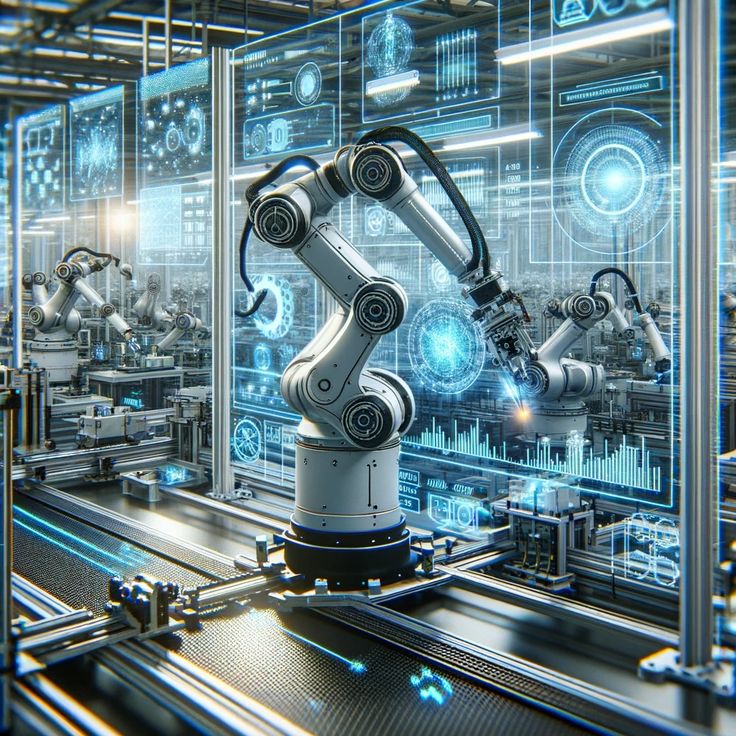
Robot engineering is one of the fastest-growing fields in modern technology, combining mechanical engineering, electronics, computer science, and automation to develop intelligent machines. From industrial robots and autonomous vehicles to medical robots and humanoid machines, robotics is transforming how people work and interact with technology. One of the most important elements behind these innovations is programming.
Programming provides robots with the instructions they need to perform tasks, process information, respond to their surroundings, and make decisions. Without programming, even the most advanced robotic hardware would have limited functionality. Understanding the importance of programming in robot engineering is essential for anyone interested in building a career in robotics and automation.
What Is Programming in Robot Engineering?
Programming in robot engineering involves writing instructions that control a robot’s movements, operations, and behaviour. These instructions help robots understand their tasks, interact with sensors, process data, and perform actions accurately.
Robotics engineers use different programming languages, frameworks, and software platforms to develop robotic systems. Programming also enables engineers to integrate hardware components, implement automation, and improve the overall performance of robots.
Why Is Programming Important in Robot Engineering?
Programming plays a central role in designing and developing modern robotic systems. Here are some important reasons why it is essential.
1. Controls Robot Movements
One of the primary applications of programming in robotics is controlling robot movements. Robots need precise instructions to move their arms, wheels, joints, and other mechanical components.
Programming helps engineers define movement patterns, speed, direction, and positioning. This is particularly important in industrial robots used for welding, assembling, packaging, and material handling.
2. Enables Automation
Automation is one of the biggest advantages of robotics. Programming allows robots to perform repetitive tasks with minimal human intervention.
For example, manufacturing robots can automatically assemble products, inspect components, and handle materials. These automated operations improve productivity, reduce manual effort, and maintain consistent output.
3. Supports Artificial Intelligence Integration
Artificial intelligence is making robots smarter and more adaptable. Programming allows engineers to integrate AI algorithms into robotic systems so they can analyse information, recognise patterns, and make decisions.
AI-powered robots can perform tasks such as object recognition, voice interaction, navigation, and intelligent problem-solving. This integration is expanding the capabilities of robots across different industries.
4. Improves Sensor Integration
Modern robots use sensors to collect information about their surroundings. These sensors can detect distance, temperature, pressure, movement, and environmental changes.
Programming enables robots to process sensor data and respond accordingly. For example, an autonomous robot can use distance sensors to detect obstacles and change its direction to avoid collisions.
5. Enhances Precision and Accuracy
Precision is extremely important in applications such as medical robotics, manufacturing, and scientific research.
Programming allows engineers to control robotic movements and operations with a high level of accuracy. Properly designed control algorithms help robots perform complex tasks consistently while reducing the possibility of errors.
6. Enables Autonomous Decision-Making
Autonomous robots can perform certain operations without continuous human control. Programming provides the logic and algorithms needed for these systems to analyse their surroundings and select appropriate actions.
For example, autonomous mobile robots use navigation algorithms to identify routes, avoid obstacles, and move through warehouses or industrial facilities.
Popular Programming Languages Used in Robotics
Robotics engineers work with several programming languages depending on the type of robot and its application.
1. Python: Python is widely used in robotics because of its simple syntax, extensive libraries, and support for artificial intelligence, machine learning, and computer vision. It is especially useful for prototyping and developing robotic applications.
2. C++: C++ is popular for developing high-performance robotic applications. It offers efficient memory management and execution speed, making it suitable for real-time control systems and complex robotic software.
3. Java: Java is used in certain robotics applications because of its portability, object-oriented programming features, and extensive development ecosystem.
4. MATLAB: MATLAB is commonly used for modelling, simulation, control system development, and analysing robotic behaviour. It helps engineers test algorithms before implementing them in physical robots.
5. C: C is particularly useful in embedded systems and microcontroller-based robotics projects. It allows engineers to develop efficient software for controlling hardware components.
The Role of Programming in Different Robotics Applications
Programming has become essential in several industries where robots are used to improve efficiency, safety, and productivity.
Industrial Robotics
In manufacturing, programming helps robotic arms perform tasks such as welding, painting, assembling, and packaging. Engineers use specialised programming tools to control robot movements and coordinate automated production processes.
Healthcare and Medical Robotics
Medical robots assist healthcare professionals with surgical procedures, rehabilitation, and patient care. Programming enables these robots to perform controlled movements and support precise medical operations.
Autonomous Vehicles
Self-driving vehicles rely on programming to process sensor information, recognise objects, understand road conditions, and make navigation decisions. Robotics software plays an important role in developing safe and reliable autonomous transportation systems.
Agriculture Robotics
Agricultural robots use programmed instructions to perform activities such as planting, harvesting, crop monitoring, and precision spraying. These technologies help farmers improve efficiency and manage resources more effectively.
Space Exploration
Robots used in space exploration perform complex tasks in environments where human access is difficult or dangerous. Programming allows robotic rovers and robotic arms to navigate, collect scientific data, and complete mission objectives.
Essential Programming Skills for Aspiring Robotics Engineers
Anyone interested in becoming a robotics engineer should develop a combination of programming and technical skills.
- Programming Fundamentals: Understand variables, loops, functions, data structures, and object-oriented programming.
- Algorithm Development: Learn how to design algorithms for navigation, motion planning, and problem-solving.
- Embedded Systems: Understand microcontrollers, processors, and hardware-software integration.
- Robot Operating System (ROS): Learn ROS and ROS 2, which provide tools and libraries for developing complex robotic applications.
- Computer Vision: Explore image processing and object detection to help robots understand visual information.
- Artificial Intelligence and Machine Learning: Understand how intelligent algorithms can improve robotic decision-making.
- Debugging and Testing: Develop the ability to identify software errors, test robotic systems, and improve performance.
Challenges of Programming in Robot Engineering
Although programming offers numerous advantages, robotics engineers also face several challenges.
Complexity of Robotic Systems: Robots combine mechanical, electrical, and software components, making programming and system integration challenging.
Real-Time Processing: Many robotic applications require immediate responses to sensor information, which makes efficient programming essential.
Hardware Compatibility: Engineers must ensure that software works correctly with different sensors, motors, controllers, and processors.
Safety and Reliability: Programming errors can cause unexpected robot movements or system failures. Careful testing and safety mechanisms are necessary.
Continuous Learning: Robotics technology evolves rapidly, requiring engineers to stay updated with programming languages, frameworks, and emerging technologies.
The Future of Programming in Robot Engineering
The future of robot engineering will depend heavily on advancements in programming, artificial intelligence, and automation. Technologies such as machine learning, computer vision, cloud robotics, and human-robot interaction are creating new possibilities for intelligent machines.
Low-level programming will continue to support hardware control, while advanced software frameworks will make it easier to develop sophisticated robotic applications. AI-powered programming tools may also help engineers design, test, and optimise robotic systems more efficiently.
As robots become increasingly autonomous and capable of handling complex tasks, programming will remain a fundamental skill for developing the next generation of robotic technologies.
Conclusion
Programming is the foundation of modern robot engineering because it connects hardware components with intelligent software instructions. It allows robots to move, process information, interact with their surroundings, and perform automated tasks with greater precision.


