
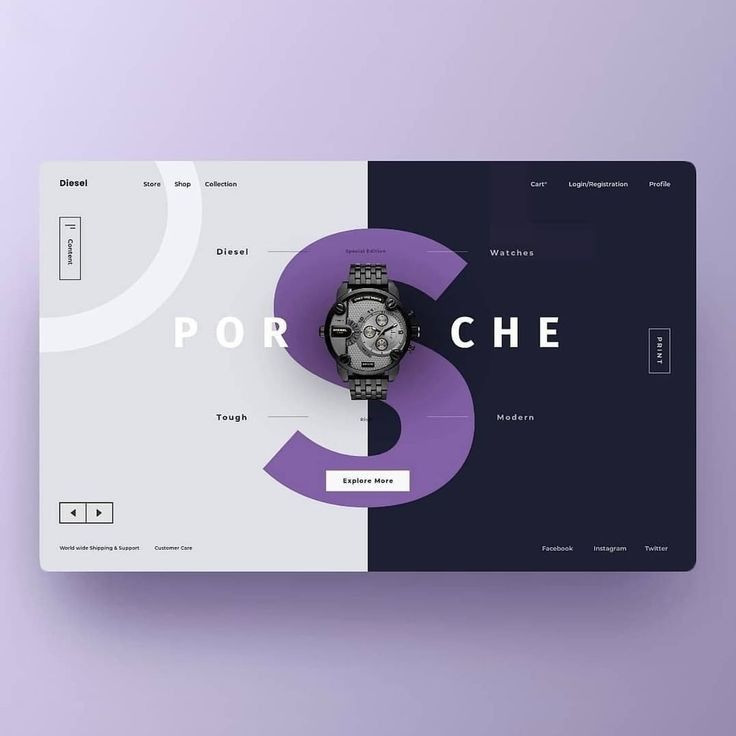
In today’s digital world, a website is more than just an online platform for sharing information or promoting products and services. It is an important way for businesses to connect with customers, build credibility, and create meaningful online experiences. However, having an attractive website is not enough to achieve these goals. A website must also be easy to navigate, responsive, accessible, and user-friendly.
This is where User Experience (UX) plays an important role in website development. User experience refers to how visitors interact with a website and how easily they can accomplish their goals. A well-designed user experience makes it easier for visitors to find information, explore products, complete purchases, and interact with website features.
Understanding why user experience matters can help developers and businesses create websites that attract visitors, improve engagement, and encourage customer loyalty.
1. Improves Website Navigation
Website navigation is one of the most important elements of user experience. Visitors should be able to find the information they need without confusion or unnecessary effort.
A website with clear menus, organized categories, descriptive labels, and logical page structures provides a smoother browsing experience.
For example, an e-commerce website should make it easy for customers to explore product categories, compare items, and access their shopping carts.
Effective navigation reduces frustration and encourages visitors to spend more time exploring a website.
2. Creates a Positive First Impression
First impressions matter when visitors land on a website. A poorly organized layout, confusing design, or outdated appearance can discourage users from exploring further.
A visually appealing website with consistent colors, readable typography, high-quality images, and organized content helps establish a professional impression.
Website developers should focus on creating designs that combine visual appeal with functionality.
A positive first impression can encourage visitors to explore more pages and learn about the products or services being offered.
3. Increases User Engagement
User engagement refers to how visitors interact with website content and features.
An effective user experience encourages visitors to explore articles, watch videos, interact with features, and discover additional information.
Developers can improve engagement by incorporating:
- Clear calls to action.
- Interactive website elements.
- Easy-to-read content.
- Relevant images and videos.
- Search functionality.
- Personalized recommendations.
When visitors find a website useful and easy to interact with, they are more likely to return.
4. Improves Website Loading Speed
Website performance has a direct impact on user experience. Visitors generally expect web pages to load quickly and respond smoothly to their actions.
Slow-loading websites can frustrate users and increase the likelihood that they will leave before accessing the content.
Developers can improve loading speed through several techniques:
- Optimizing images and multimedia files.
- Reducing unnecessary JavaScript and CSS.
- Using browser caching.
- Implementing content delivery networks (CDNs).
- Choosing reliable hosting services.
- Optimizing website databases.
A faster website makes browsing more convenient and supports a better overall experience.
5. Makes Websites Mobile-Friendly
With the growing use of smartphones and tablets, mobile-friendly website development has become essential.
Visitors expect websites to function properly across different screen sizes and devices. A website that works well on desktop computers but performs poorly on mobile devices can create a frustrating experience.
Responsive web design allows website layouts to adjust automatically according to screen size.
Developers should ensure that buttons are easy to tap, text remains readable, images display correctly, and navigation menus work smoothly on mobile devices.
A mobile-friendly website helps businesses reach a wider audience and provide a consistent experience across devices.
6. Builds Customer Trust and Credibility
User experience also plays an important role in establishing trust.
Visitors are more likely to trust websites that look professional, provide accurate information, and offer simple navigation.
Businesses can improve website credibility through:
- Consistent branding and design.
- Clear contact information.
- Secure browsing through HTTPS.
- Transparent privacy policies.
- Customer reviews and testimonials.
- Accurate and updated content.
When visitors feel comfortable using a website, they are more likely to interact with the business and consider its products or services.
7. Increases Conversion Rates
One of the major goals of website development is to encourage visitors to take specific actions, such as purchasing products, registering for services, submitting contact forms, or subscribing to newsletters.
A good user experience makes these actions easier.
For example, an online shopping website with a simple checkout process, clear product descriptions, and multiple payment options can make purchasing more convenient.
Developers should minimize unnecessary steps, provide clear instructions, and ensure that important buttons are easy to find.
An effective user experience can reduce barriers in the customer journey and improve conversion opportunities.
8. Supports Website Accessibility
Website accessibility ensures that people with different abilities can access and interact with digital content.
An accessible website provides a better experience for users with visual, hearing, motor, and cognitive disabilities.
Some important accessibility practices include:
- Providing alternative text for meaningful images.
- Using proper heading structures.
- Supporting keyboard navigation.
- Maintaining sufficient color contrast.
- Adding captions to relevant videos.
- Using descriptive labels for forms and buttons.
Following accessibility guidelines, such as the Web Content Accessibility Guidelines (WCAG), helps developers create more inclusive websites.
9. Reduces Website Maintenance Challenges
A well-planned user experience can also make website maintenance easier.
When developers organize website structures, content, navigation, and interactive elements properly, future updates become more manageable.
Consistent design patterns and reusable components help maintain a uniform appearance across different pages.
Regular usability testing also helps developers identify problems before they affect a large number of visitors.
This approach reduces unnecessary redesign work and supports long-term website improvement.
10. Helps Businesses Understand User Behavior
Understanding how visitors interact with a website helps businesses make better decisions.
UX research and website analytics provide valuable insights into user preferences, browsing patterns, and common difficulties.
Developers and designers can use tools such as Google Analytics, heatmaps, surveys, and usability testing to understand user behavior.
For example, if visitors frequently leave a website during the checkout process, businesses can investigate whether complicated forms, unclear instructions, or technical issues are responsible.
These insights help teams improve website functionality and create experiences that better match user expectations.
11. The Role of UX Design in Modern Web Development
User experience design is an essential part of the modern web development process. It involves understanding user needs, planning website structures, creating wireframes, designing interfaces, and testing functionality.
UX designers and web developers often collaborate to ensure that websites are both visually appealing and technically effective.
Some important UX design practices include:
- Conducting user research.
- Creating user personas.
- Developing wireframes and prototypes.
- Testing website usability.
- Gathering user feedback.
- Improving designs based on real user needs.
By integrating UX principles throughout development, teams can create websites that offer meaningful and satisfying experiences.
Conclusion
User experience is a fundamental part of successful website development. It influences how visitors navigate websites, interact with content, build trust, and complete important actions.


