
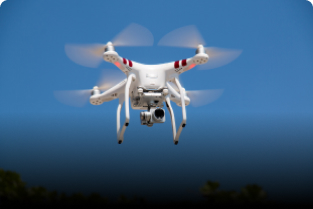
With the rapid growth of drone technology across industries such as defense, agriculture, logistics, and filmmaking, drone engineering has emerged as an exciting and lucrative career. Drone engineers design, build, program, and maintain unmanned aerial vehicles (UAVs). If you’re interested in this dynamic field, understanding the qualifications required is essential. Here’s a detailed guide to help you get started.
1. Educational Qualifications
Most drone engineering roles require a solid educational foundation in engineering or technology. Common pathways include:
-
Bachelor’s Degree in Engineering or Technology
-
Aerospace Engineering – Focuses on aircraft and UAV design.
-
Mechanical Engineering – Covers structural design and mechanics.
-
Electrical or Electronics Engineering – Essential for understanding circuits and drone control systems.
-
Computer Science or Robotics – Helpful for programming and AI integration in drones.
-
-
Specialized Certifications or Diplomas
-
Short-term drone engineering or UAV design courses offered by recognized institutes.
-
Certification programs from drone manufacturers or aviation authorities.
-
2. Technical Skills
In addition to formal education, drone engineers need specific technical expertise:
-
Drone Assembly and Design – Understanding aerodynamics, propulsion systems, and materials.
-
Programming and Control Systems – Skills in Python, C++, or embedded systems for autonomous flight.
-
Electronics and Sensors – Knowledge of GPS, IMU, and LiDAR integration.
-
CAD Software Proficiency – Experience with tools like AutoCAD or SolidWorks for designing components.
3. Regulatory Knowledge
Drone engineers must be aware of aviation laws and drone operation guidelines:
-
Understanding regulations from bodies like DGCA (India), FAA (USA), or EASA (Europe).
-
Knowledge of licensing requirements for commercial drone operations.
-
Familiarity with no-fly zones, air traffic rules, and safety standards.
4. Professional Certifications
To enhance employability and credibility, consider:
-
Remote Pilot Certification – Often mandatory for commercial operations.
-
Industry-Specific Certifications – For sectors like mapping, surveying, or cinematography.
-
Advanced UAV Engineering Courses – Offered by universities or specialized drone academies.
5. Soft Skills and Experience
Employers value engineers who bring more than just technical know-how:
-
Problem-Solving Skills – For troubleshooting design or operational issues.
-
Teamwork and Communication – Essential for collaborating with multidisciplinary teams.
-
Hands-On Experience – Internships, projects, or personal drone-building experience can set you apart.
6. Career Opportunities
Drone engineers can work in diverse industries:
-
Aerospace and Defense – Designing military-grade UAVs.
-
Agriculture – Developing drones for crop monitoring and spraying.
-
Logistics – Building delivery drones for e-commerce companies.
-
Media and Entertainment – Creating high-performance drones for cinematography.
-
Environmental Research – Designing UAVs for wildlife monitoring and conservation.
Final Thoughts
Becoming a drone engineer requires a mix of education, technical skills, and regulatory knowledge. While a degree in engineering or a related field provides a strong foundation, hands-on experience and certifications are equally important. As drones continue to revolutionize industries worldwide, skilled drone engineers will remain in high demand. If you’re passionate about technology and innovation, this career path offers endless possibilities.


