
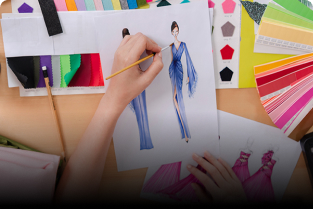
Fashion design is one of the most exciting and creative career paths in the world. But behind the glamorous runway shows and stylish outfits lies a demanding and highly skillful profession. Many people imagine fashion designers simply sketching dresses, but the truth is—being a fashion designer involves creativity, technical knowledge, industry awareness, and business skills.
In this blog, we’ll break down everything that goes into being a fashion designer and what it really takes to succeed in this dynamic industry.
1. Researching the Latest Trends
Fashion designers start their work by studying trends, consumer preferences, and cultural influences.
Trend Research Includes:
-
Analyzing runway shows and fashion weeks
-
Observing street style
-
Studying fashion magazines and blogs
-
Tracking color and fabric trends
-
Understanding seasonal demands
Trend awareness helps designers create collections that feel fresh and relevant.
2. Developing Design Concepts
Designers create the overall theme or concept for a collection.
This Involves:
-
Brainstorming ideas
-
Sketching rough designs
-
Creating mood boards
-
Choosing a design direction (e.g., ethnic, contemporary, minimalist, luxury)
A strong concept sets the tone for the entire collection.
3. Sketching and Illustrating Designs
Sketching is a core part of fashion design.
Designers Must:
-
Draw detailed sketches of garments
-
Create multiple variations of designs
-
Visualize the outfit from different angles
-
Use digital design tools like Adobe Illustrator, Clo3D, or Procreate
Even though not all designers need to be expert illustrators, they must clearly communicate their ideas.
4. Selecting Fabrics and Materials
Fabric selection can make or break a design.
Designers Choose:
-
Fabrics (cotton, silk, denim, satin, wool, etc.)
-
Colors and patterns
-
Embellishments like beads, lace, or embroidery
-
Sustainable or eco-friendly materials
This step requires knowledge of fabric behavior, cost, durability, and comfort.
5. Pattern Making and Draping
Once the design is finalized, designers either create the pattern or supervise pattern makers.
What’s Involved:
-
Making flat patterns
-
Draping fabrics on mannequins
-
Transforming sketches into actual garment structures
This stage turns ideas into wearable prototypes.
6. Overseeing Garment Construction
Fashion designers work closely with tailors, seamstresses, and production teams.
Tasks Include:
-
Ensuring accurate stitching
-
Checking fit and measurements
-
Making corrections or alterations
-
Ensuring the final product matches the original design
Quality control is essential for maintaining brand standards.
7. Creating a Collection
Fashion designers often work on seasonal collections—spring/summer, fall/winter, and festive or bridal lines.
Creating a Collection Involves:
-
Selecting a theme
-
Designing multiple outfits
-
Ensuring color and style consistency
-
Balancing creativity with market demand
A collection reflects the designer’s creativity and vision.
8. Showcasing Designs
Designers present their work through:
-
Fashion shows
-
Lookbooks and catalogues
-
Photoshoots
-
Social media campaigns
-
Brand websites
Presentation helps attract buyers, retailers, and customers.
9. Working With Clients or Brands
Depending on their role, designers may collaborate with:
-
Fashion houses
-
Boutiques
-
Retail chains
-
Private clients (custom design)
Client interaction helps designers understand needs and personalize designs.
10. Managing the Business Side
Fashion design is not just creativity—it’s also a business.
Designers often handle:
-
Budgeting and pricing
-
Supplier coordination
-
Marketing and brand building
-
Production planning
-
Inventory and retail management
Entrepreneurial skills are crucial, especially for independent designers.
11. Staying Updated with Industry Changes
The fashion world evolves quickly.
Designers must keep learning about:
-
New fabrics and technologies
-
Changing consumer preferences
-
Sustainable design practices
-
E-commerce and digital fashion trends
Continuous improvement keeps them competitive.
Conclusion
Being a fashion designer involves much more than creating beautiful clothes. It requires trend research, creative thinking, technical expertise, communication skills, and business knowledge. Whether working for a brand or starting your own label, success in fashion design comes from passion, dedication, and continuous learning.


