
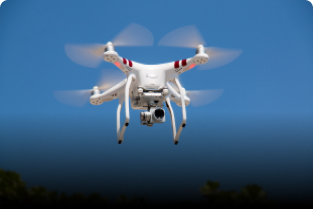
Drones have quickly become essential tools across industries—from photography and agriculture to security, mapping, and deliveries. While their design may seem simple from the outside, the real magic lies in the drone engines (more accurately called motors). Understanding how drone engines work and what it costs to replace them can help hobbyists, professionals, and drone owners make smarter decisions about maintenance and upgrades.
What Are Drone Engines?
Drone engines are typically electric motors that power the propellers, allowing the drone to lift off, hover, maneuver, and land. Unlike traditional engines with fuel combustion, drone motors rely on electrical energy stored in batteries.
Most quadcopters (the most common drone type) use four brushless DC motors, each controlling a propeller’s speed and direction.
How Do Drone Engines Work?
1. Drone Motors Are Usually Brushless DC Motors (BLDC)
These motors operate using:
-
A fixed stator with coils
-
A rotor with permanent magnets
-
An electronic speed controller (ESC) to regulate speed
Brushless motors are preferred because they are:
-
Lightweight
-
Efficient
-
Long-lasting
-
Fast-spinning
-
Low maintenance
2. Thrust Generation Through High-Speed Rotation
The motor spins the propeller at high speeds. As the blades rotate, they push air downward, generating upward thrust.
More speed = more thrust and faster acceleration.
3. ESC Controls Speed and Stability
Each motor is controlled by an ESC, which adjusts rotation speed to maintain stability.
For example:
-
To move forward, the rear motors spin faster.
-
To rotate clockwise, motors on one side spin faster than the other.
This fine-tuned control creates the smooth, stable flight drones are known for.
4. Power Supply Comes From Lithium-Polymer (LiPo) Batteries
LiPo batteries deliver high power output needed for fast motor speeds.
The battery powers:
-
Motors
-
ESCs
-
Flight controller
-
Cameras
-
Sensors
A motor’s power consumption directly affects battery life.
Types of Drone Motors
1. Brushed Motors
-
Cheaper
-
Slower
-
Shorter lifespan
-
Common in toy drones
2. Brushless Motors
-
More powerful
-
Efficient
-
Durable
-
Used in photography, racing, commercial, and industrial drones
How Much Do Drone Engines (Motors) Cost to Replace?
Replacement cost depends on the type, size, and purpose of the drone.
1. Toy or Mini Drone Motors
-
Price Range: $5–$20 per motor
-
Usually brushed motors
-
Suitable for small indoor drones
2. Consumer Camera Drone Motors (DJI, Autel, etc.)
-
Price Range: $25–$80 per motor
-
Brushless motors
-
Professional-grade stability and durability
Example:
-
DJI Mini series motors: ~$40–$60
-
DJI Mavic series motors: ~$50–$80
3. FPV Racing Drone Motors
-
Price Range: $20–$50 per motor
-
Designed for speed and maneuverability
-
High KV (RPM per volt) ratings
4. Industrial or Agricultural Drone Motors
-
Price Range: $100–$300+ per motor
-
High torque, heavy lift capability
-
Specialized designs for long-duration flights
5. Labor/Repair Center Costs
If you get it installed professionally:
-
Add $20–$100 for labor depending on the drone model.
Signs Your Drone Motor Needs Replacement
You may need a new motor if you notice:
-
Unusual vibrations
-
Burning smell
-
Motor not starting
-
Reduced flight time
-
Overheating
-
Hitting obstacles or crashes
Brushless motors can survive minor crashes, but repeated impacts may degrade bearings.
How Long Do Drone Motors Last?
Average lifespan:
-
Brushed motors: 50–100 flight hours
-
Brushless motors: 500–2000+ flight hours
Proper maintenance—like cleaning, avoiding overload, and keeping propellers balanced—can extend motor life.
How to Choose the Right Replacement Motor
When buying a new drone motor, consider:
-
KV rating (higher = faster RPM, lower = more torque)
-
Propeller size compatibility
-
Voltage support
-
Weight capacity
-
Brand/model compatibility (especially for DJI drones)
For FPV drones, mixing different motor models or KV ratings is not recommended.
Final Thoughts
Drone engines are advanced yet efficient systems that provide stability, lift, and power. By understanding how they work, you can troubleshoot issues, maintain your drone better, and make informed decisions about repairs.


