
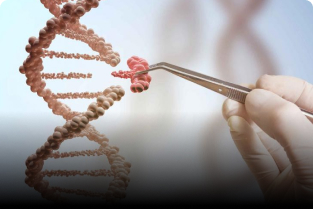
Genetic engineering has transformed from a niche scientific concept into one of the most powerful tools of modern biology. With breakthroughs like CRISPR, synthetic biology, and gene therapy, the field is evolving faster than ever before. But what lies ahead?
Is the future of genetic engineering full of medical miracles, designer organisms, or ethical dilemmas?
Let’s explore what the coming decades might look like.
A Glimpse Into the Future of Genetic Engineering

The future of genetic engineering promises revolutionary advancements that will reshape healthcare, agriculture, industry, and even human evolution. From curing genetic diseases to creating climate-resistant crops, genetic engineering will be central to solving some of humanity’s biggest challenges.
1. Curing Genetic Disorders Permanently
One of the most promising developments is the ability to correct defective genes.
What to expect:
-
Gene therapy becoming a standard medical treatment
-
Correction of diseases like sickle cell anemia, muscular dystrophy, and cystic fibrosis
-
Reduction in hereditary diseases through embryo gene editing
Tools like CRISPR-Cas9, base editing, and prime editing will play major roles in reshaping human health.
2. Personalized Medicine for Every Individual


In the future, treatments will no longer be “one size fits all.”
Genetic engineering will enable:
-
Medicines tailored to a person’s DNA
-
Customized cancer treatments
-
Predicting diseases before they occur
This will lead to more effective therapies with fewer side effects.
3. Designer Babies: Possibility or Ethical Challenge?
The idea of modifying embryos to enhance intelligence, height, appearance, or physical abilities is controversial.
What the future may bring:
-
Prevention of hereditary diseases through embryo editing
-
Potential (but ethically restricted) enhancements
-
Strong global regulations to prevent misuse
Although science may make designer babies technically possible, society will decide how far these technologies should be used.
4. Genetically Modified Crops for Climate Resilience
Agriculture will greatly benefit from advanced genetic engineering.
Future crops will be:
-
Drought-resistant
-
Pest-resistant
-
High-yield and nutrient-rich
This will help address global food shortages and support sustainable farming.
5. Advancements in Synthetic Biology
Synthetic biology goes beyond editing existing genes—it creates new biological systems from scratch.
Future possibilities:
-
Lab-grown organs
-
Engineered microbes that clean pollution
-
Bio-factories producing fuels, plastics, and medicines
-
Artificial life forms designed for specific tasks
This field could redefine industries worldwide.
6. Longevity and Anti-Aging Breakthroughs
Genetic engineering may hold the key to extending human lifespan.
Future developments may include:
-
Slowing or reversing cell aging
-
Repairing DNA damage
-
Enhancing tissue regeneration
Research into telomere extension and gene-based rejuvenation could dramatically change how we age.
7. Biosecurity and Ethical Regulations
As genetic engineering advances, so will concerns about misuse.
Future challenges include:
-
Preventing bioweapons
-
Regulating human genetic enhancement
-
Ensuring safe laboratory practices
-
Global ethical governance
Balancing innovation with safety will be crucial.
8. Human Augmentation and Enhanced Abilities
Although still speculative, future genetic engineering could enhance human abilities.
Potential enhancements:
-
Increased muscle strength
-
Enhanced cognition
-
Better immunity
-
Improved vision or hearing
This could lead toward a future where humans evolve with the help of biotechnology.
Conclusion: A Future Full of Promise and Responsibility
The future of genetic engineering is incredibly promising, offering solutions to some of humanity’s greatest challenges—from curing diseases to feeding billions. However, it also comes with profound ethical questions.
As science advances, it will be essential to balance innovation with responsibility, ensuring that genetic engineering benefits society safely and sustainably.


