
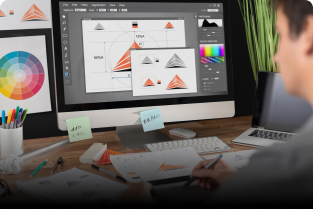
Graphic design is everywhere—on websites, billboards, social media, product packaging, magazines, logos, and even the apps we use every day. But what exactly does “graphic design” mean? Although the field is constantly evolving, the definition remains rooted in one simple idea: graphic design is the art and practice of communicating ideas visually.
In this blog, we’ll explore what graphic design truly means, why it matters, and how it shapes the world around us.
Understanding Graphic Design
At its core, graphic design is a form of visual communication. It uses symbols, colors, typography, images, and layouts to convey messages in a clear and engaging way. Instead of using long paragraphs or complicated explanations, graphic designers communicate through visuals that instantly capture attention and emotion.
A Simple Definition of Graphic Design
Graphic design is the creative process of planning and producing visual content to communicate information, tell a story, or promote a message.
This visual content can include:
-
Logos
-
Posters and banners
-
Social media graphics
-
Website layouts
-
Advertisements
-
Infographics
-
Packaging designs
-
Business cards, brochures, and marketing material
In short, graphic design helps turn ideas into visuals that people can easily understand and connect with.
Key Elements of Graphic Design
To define graphic design clearly, it’s important to understand its key building blocks:
1. Typography
This refers to the style, appearance, and arrangement of text. Good typography makes content readable and visually appealing.
2. Color
Colors influence mood, emotions, and brand identity. Designers use color theory to create harmony and visual impact.
3. Images & Icons
Photos, illustrations, and icons add meaning, personality, and depth to a design.
4. Layout & Composition
How elements are arranged affects the flow and clarity of the message. A strong layout guides the viewer’s eye naturally.
5. Branding
Graphic design helps build visual identity through logos, colors, fonts, and styles that make a brand recognizable.
Why Is Graphic Design Important?
Graphic design plays a vital role in today’s digital and business-driven world:
✔ Helps businesses stand out
A strong visual identity helps brands become memorable and trustworthy.
✔ Improves communication
Good design communicates quickly and clearly, especially in marketing and advertising.
✔ Enhances user experience
UI/UX designers rely heavily on graphic design principles to create intuitive interfaces.
✔ Builds emotional connection
Colors, imagery, and layout can evoke emotions and influence decisions.
✔ Increases engagement
Well-designed content captures attention and encourages users to interact.
Graphic Design in the Modern World
Today, graphic design is not limited to print media. It extends across digital platforms, motion graphics, social media, AR/VR, and interactive interfaces. Designers use advanced tools like Adobe Photoshop, Illustrator, Figma, Canva, and more to bring ideas to life.
As brands compete for attention, graphic design has become more crucial than ever.
Final Thoughts
So, what is the definition of graphic design?
Graphic design is the creative process of using visuals to communicate messages effectively and beautifully.
It blends creativity, strategy, and technology to make information clearer, products more attractive, and brands more relatable.


