
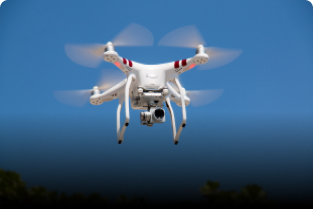
Drones have moved far beyond hobbyist gadgets—they are now essential tools in industries like agriculture, defense, filmmaking, logistics, disaster management, and surveying. With the rapid growth of the drone industry, electronics engineers are in a strong position to build successful careers as drone engineers.
But what exactly does an electronics engineer need to transition into drone engineering? Let’s break down the essential skills required.
1. Strong Understanding of Electronics and Circuit Design
Drone systems rely heavily on electronic components such as controllers, sensors, power modules, and communication devices.
Key skills include:
-
Circuit design and PCB layout
-
Microcontroller integration
-
Knowledge of ESCs (Electronic Speed Controllers)
-
Understanding of motors, batteries, and power systems
This foundation helps engineers design reliable and efficient drone hardware.
2. Embedded Systems and Microcontroller Programming
Drones depend on firmware to control their movements, sensors, and communication.
You should know:
-
Embedded C/C++
-
ARM-based microcontrollers
-
Real-time operating systems (RTOS)
-
Debugging and testing firmware
This skill ensures you can write the software that makes drones “think” and operate smoothly.
3. Sensor Integration and Data Processing
A drone relies on a wide range of sensors for stability, navigation, and obstacle detection.
Common sensors used:
-
Gyroscope
-
Accelerometer
-
GPS
-
LiDAR
-
Ultrasonic sensors
-
Barometer
Electronics engineers should know how to integrate these sensors and process their data using filtering techniques like Kalman filters for accurate control.
4. Understanding of Communication Systems
Drones communicate with controllers, satellites, or ground stations.
Important communication knowledge:
-
RF communication
-
Telemetry systems
-
Wi-Fi and Bluetooth modules
-
Long-range communication protocols (LoRa, 5G, etc.)
This helps engineers build stable and secure remote-control systems.
5. Control Systems and Flight Dynamics
To build or program a stable drone, knowledge of control theory and dynamics is essential.
Skills needed:
-
PID control
-
Understanding of aerodynamics
-
Stability analysis
-
Flight controller tuning
These skills enable precise handling and maneuverability.
6. CAD and Mechanical Design Basics
While an electronics engineer focuses on circuits, understanding mechanical design helps in drone frame development.
Basic knowledge required:
-
3D modeling software (SolidWorks, AutoCAD, Fusion 360)
-
Weight distribution
-
Material selection
-
Vibration and damping principles
This ensures smooth collaboration with mechanical engineers.
7. Battery Management and Power Systems
Drones depend heavily on efficient power usage.
Skills required:
-
Li-Po battery safety and performance
-
Power budgeting
-
Efficiency optimization
A good drone engineer must know how to maximize flight time without compromising safety.
8. Software and Simulation Tools
Simulation tools help test and optimize drone performance before building physical prototypes.
Useful tools include:
-
MATLAB / Simulink
-
Gazebo
-
ROS (Robot Operating System)
-
PX4 / ArduPilot simulators
These tools improve development accuracy and reduce errors.
9. Problem-Solving and Troubleshooting Skills
Drone engineering involves frequent testing, debugging, and modifying hardware and firmware.
An engineer should be able to:
-
Diagnose hardware faults
-
Troubleshoot flight instability
-
Modify code quickly
-
Analyze sensor data
Strong analytical skills are essential in this dynamic field.
10. Knowledge of Regulations and Safety Standards
Drone engineers must understand the rules governing UAV operations, especially in countries like India where UAV categories and licenses are strictly defined.
Important areas:
-
DGCA drone rules
-
UAV safety standards
-
No-fly zones
-
Compliance and certification requirements
This ensures that drones are legally and safely operated.
Conclusion
Electronics engineers already have a strong foundation for becoming drone engineers. By building skills in embedded systems, sensors, communication, control systems, mechanical basics, and simulation tools, they can transition smoothly into the fast-growing drone industry.


