
Artificial Intelligence (AI) is no longer a futuristic idea—it’s now a powerful force reshaping industries, jobs, productivity, and global competition. As technologies like machine learning, robotics, and automation continue to advance, AI is expected to transform the world economy at a scale similar to what the Industrial Revolution did. But what exactly will change, and who will benefit the most?
In this blog, we’ll break down the major economic impacts of AI, from job creation to global market shifts.
1. Boost in Productivity and Economic Growth
One of the most significant impacts of AI on the economy is the dramatic rise in productivity. AI systems can analyze massive amounts of data, perform repetitive tasks faster than humans, and help businesses make better decisions.
How AI boosts productivity:
-
Automates routine tasks like data entry, scheduling, and customer support.
-
Enhances decision-making through predictive analytics.
-
Improves manufacturing through robotics and smart automation.
-
Reduces human error and operational inefficiencies.
According to major global economic studies, countries investing heavily in AI could see annual GDP growth increase by up to 1.5%.
2. Transformation of the Job Market
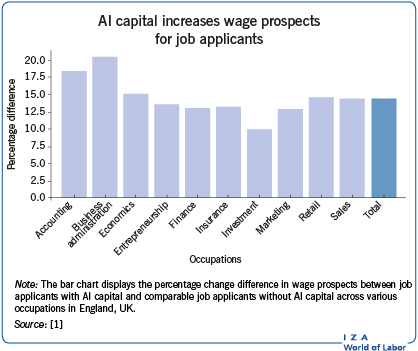
AI will not just replace jobs—it will also create millions of new roles. The key change is a shift in what kind of work humans do.
Jobs at risk of automation:
-
Data entry and clerical roles
-
Basic accounting
-
Tele-calling and customer support
-
Routine manufacturing
New jobs AI will create:
-
AI trainers
-
Data scientists
-
Machine learning engineers
-
Robot maintenance specialists
-
Cybersecurity experts
-
Digital transformation consultants
The global trend shows a shift from manual and repetitive jobs to technical, analytical, and creative roles.
3. Growth of New AI-Centric Industries
AI is giving birth to industries that did not exist a decade ago. These include:
-
Autonomous vehicles
-
Smart healthcare
-
AI-driven financial technology
-
Robotics-as-a-service
-
Personalized learning systems
Countries investing in innovation and education will likely lead this next wave of growth.
4. Increased Efficiency in Business Operations
Businesses across sectors—from retail to agriculture—are using AI to streamline operations.
Examples:
-
Retailers use AI for demand forecasting and personalized shopping.
-
Farmers use AI-powered drones for crop monitoring.
-
Banks use AI to detect fraud and automate loan approvals.
This leads to lower costs, faster service, and higher profit margins for companies.
5. Changing Global Power Dynamics
Nations investing in AI research and infrastructure are becoming global leaders. Countries like the United States, China, and members of the European Union are competing to dominate AI innovation and control global data resources.
This could lead to:
-
Shifts in global trade
-
New AI-based regulations
-
Increased geopolitical competition
6. Impact on Income Inequality
While AI boosts productivity, it also has the potential to widen the income gap.

Those with skills in technology, data, and innovation will earn significantly more, while those in low-skill jobs face automation risk.
This makes reskilling and digital education essential for future workers.
7. Better Consumer Experiences
AI is making life more convenient:
-
Smart assistants like Amazon Alexa make home living easier.
-
Recommendation algorithms on platforms such as Netflix personalize entertainment.
-
AI chatbots improve customer support in e-commerce and banking.
The result? Faster, smoother, and more personalized experiences.
Conclusion: A Future Shaped by AI
Artificial intelligence will have a massive and irreversible impact on the global economy.
It will:
-
Boost productivity
-
Transform jobs
-
Create new industries
-
Change how businesses operate
-
Shift global economic power
While AI presents challenges—especially for the workforce—it also brings enormous opportunities. The key to benefiting from this transformation lies in adaptability, continuous learning, and embracing new technologies.


