
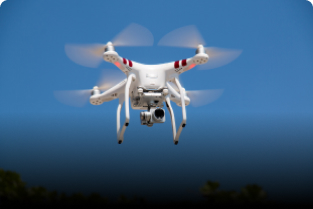
If you are fascinated by drones, robots, and futuristic machines, you might be wondering whether electrical engineering (EE) can help you build them. The simple answer is yes—electrical engineering is one of the key fields involved in designing, developing, and powering both drones and robots. However, it works best when combined with knowledge from a few other engineering domains.
Let’s explore how electrical engineering prepares you for a career in robotics and drone development.
How Electrical Engineering Helps in Building Drones and Robots
Electrical engineering covers many concepts that are essential for both robots and drones. Here’s how:
1. Power Systems and Circuit Design
Every robot or drone needs a stable source of power. As an electrical engineer, you learn:
-
How batteries, controllers, and power distribution systems work
-
How to design and troubleshoot electronic circuits
-
How to ensure energy efficiency and safety
These skills are fundamental in building reliable and long-lasting machines.
2. Sensors and Actuators
Robots and drones use sensors to “see” and understand their surroundings. Electrical engineering teaches you about:
-
Gyroscopes, accelerometers, GPS modules
-
Cameras, proximity sensors, LiDAR
-
Motor control and actuator circuits
EE students learn how to integrate these components and make systems respond correctly.
3. Control Systems
Control systems are like the brains of the machine. They help drones stay balanced and robots move accurately. In EE, you study:
-
Feedback loops
-
PID controllers
-
Automation systems
This knowledge is essential for creating stable, efficient, and self-correcting machines.
4. Embedded Systems and Microcontrollers
Both drones and robots rely on small computers such as microcontrollers and embedded boards (like Arduino or STM32). Electrical engineering gives you strong foundations in:
-
Embedded programming
-
Sensor data processing
-
Hardware-software integration
This allows you to make the system “smart” and automate tasks.
Additional Skills You May Need
While electrical engineering provides a strong foundation, building functional drones and robots often requires a combination of skills from multiple fields.
1. Mechanical Engineering
For:
-
Designing frames, joints, and structures
-
Understanding aerodynamics (important for drones)
-
Selecting motors and gears
2. Computer Science & AI
For:
-
Coding and programming
-
Machine learning and computer vision
-
Navigation and autonomy
3. Electronics & Mechatronics
For:
-
Integrating mechanical and electrical systems
-
Advanced automation tasks
If you combine these domains, you can build advanced and autonomous drones or robots.
Can an Electrical Engineer Build Robots or Drones Alone?
Yes, you can build basic robots and drones with strong EE knowledge—especially entry-level ones used in competitions or personal projects. You can:
-
Assemble components
-
Design circuits
-
Program controllers
-
Integrate sensors
But for professional or industrial-grade machines, teamwork with mechanical engineers, software engineers, and robotics experts is common.
Career Opportunities for Electrical Engineers in Robotics & Drones
Studying electrical engineering opens doors to various exciting roles, such as:
-
Robotics engineer
-
Drone design engineer
-
Embedded systems developer
-
Control systems engineer
-
Automation engineer
-
Electronics design specialist
Companies working on drones, industrial robots, autonomous vehicles, and smart machines frequently hire electrical engineers.
Conclusion
Electrical engineering is one of the best branches for anyone interested in building drones and robots. It gives you deep knowledge of electronics, control systems, embedded programming, and sensor integration—all of which are essential for developing intelligent machines.


