
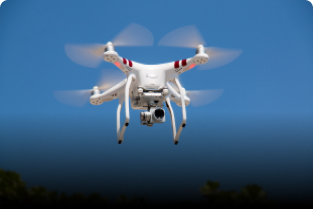
The drone industry is evolving rapidly, and one of the most exciting areas of innovation isn’t the airframes or AI—it’s the engines and propulsion systems that power these unmanned aerial vehicles (UAVs). Whether for longer flight times, greater payload capacity, or hybrid performance, the latest advancements are redefining what drones can do.
In this blog, we’ll explore the cutting-edge developments in drone engines, what they mean for the industry, and why they matter.
1. Hybrid Propulsion Systems: A Game Changer
One of the most talked-about innovations in drone engines today is the rise of hybrid propulsion systems. Unlike traditional purely electric motors, hybrid systems combine electric power with combustion or alternative energy sources to dramatically extend flight endurance while keeping weight and efficiency in check.
For example, tactical UAV manufacturers are integrating hybrid propulsion technologies to multiply flight durations and improve operational flexibility—especially in defense applications where long loiter times are crucial.
These hybrid systems are particularly valuable for large tactical drones and VTOL (vertical take-off and landing) platforms that need both the quiet start of electric motors and the high-endurance capability of fuel-based engines.
2. Tactical Drone Engine Advancements for Defense Use
Defense contractors and aerospace firms are pushing engine technology forward with new propulsion contracts and development initiatives.
Recent efforts include working on advanced propulsion systems for autonomous combat aircraft and tactical “wingmen” drones that can operate collaboratively with manned aircraft—highlighting how propulsion tech is central to future military UAV design.
These innovations aim not just for pure power but fuel efficiency, reliability, and integration with autonomous flight systems, which are imperative for complex missions.
3. Pulse Jet Engines and Alternative Power Explorations
In some experimental and specialized contexts, developers are revisiting less conventional engine types such as pulse jet engines for testing on new drone platforms. These engines can simplify mechanical complexity while offering high thrust, potentially opening doors for specialized UAV roles.
Although not yet mainstream, such emerging propulsion concepts show how engineers are exploring novel high-power density solutions beyond traditional brushless motors and combustion engines.
4. HeavyFuel and Tactical Power Solutions
Another significant advancement in drone propulsion comes from heavy-fuel engine technology. Some companies are adopting heavy fuel systems that use diesel or aviation fuels—rather than lithium-ion electric systems—to improve energy density and endurance for larger drones.
These innovations offer better performance in challenging environments and longer missions, particularly for military and commercial drones tasked with surveying, cargo transport, or prolonged reconnaissance.
5. Electric Powertrain Integration and Enhanced Motor Tech
While hybrid and alternative engines are breaking new ground, drones still rely heavily on electric motors—especially for multirotor and small UAVs. The focus in electric propulsion is on:
- Higher efficiency electric motors for longer flight duration.
- Integrated powertrain systems that combine motors with onboard electronics and diagnostics for smarter energy use.
- Improved motor design to handle varied flight profiles and payloads.
Even as new engine types emerge, advancements in electric motor tech remain central—especially in commercial and consumer drones where simplicity and reliability are key.
6. Why These Innovations Matter
So why does this matter? Innovations in drone engine technology are driving:
- Longer flight times and greater mission range
- Reduced operational costs and fuel use
- New commercial possibilities like logistics and cargo delivery
- More capable defense and tactical UAV operations
As propulsion systems improve, drones will increasingly replace conventional aircraft roles in inspection, monitoring, delivery, agriculture, and defense.
Conclusion
The future of drone engines is multi-faceted. From hybrid propulsion systems that boost endurance to tactical power advancements for defense drones and ongoing enhancements in electric motors, the innovation landscape is vibrant and rapidly evolving.


