
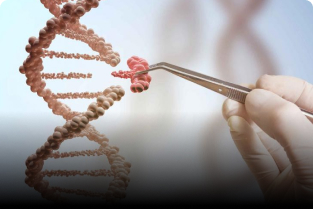
Science is evolving at an extraordinary pace, and two of the most powerful forces driving this transformation are genetic engineering and nanotechnology. These cutting-edge fields are reshaping the way we understand life, treat diseases, produce food, and develop new materials. From editing genes to designing microscopic machines, their impact is already visible—and the future promises even more groundbreaking advancements.
What Is Genetic Engineering?
Genetic engineering involves modifying the DNA of living organisms to achieve desired traits. Scientists can add, remove, or alter genes to improve health, enhance productivity, or eliminate harmful characteristics.
This technology has opened doors to:
- Treating genetic disorders
- Developing disease-resistant crops
- Producing life-saving medicines like insulin
It allows humanity to go beyond natural limitations and directly influence biological processes.
What Is Nanotechnology?
Nanotechnology focuses on manipulating matter at an incredibly small scale—typically at the level of atoms and molecules. At this scale, materials behave differently, offering unique properties such as increased strength, reactivity, and conductivity.
Nanotechnology is used in:
- Medicine (targeted drug delivery)
- Electronics (smaller, faster devices)
- Environmental protection (pollution control)
It enables innovations that were once thought impossible due to size limitations.
Revolutionizing Healthcare
One of the most significant impacts of these technologies is in the healthcare sector.
Genetic engineering helps in:
- Identifying and correcting defective genes
- Developing personalized medicine tailored to individual DNA
- Advancing gene therapies for diseases like cancer
Nanotechnology enhances healthcare by:
- Delivering drugs directly to affected cells, reducing side effects
- Detecting diseases early using nanosensors
- Assisting in minimally invasive surgeries
Together, they are making treatments more precise, efficient, and less harmful.
Transforming Agriculture and Food Production
Feeding a growing global population is a major challenge, and these technologies are providing solutions.
- Genetic engineering creates crops that are more resistant to pests, diseases, and harsh weather conditions.
- It also improves nutritional value, helping combat malnutrition.
- Nanotechnology helps in smart fertilizers and pesticides, ensuring better crop yield with less environmental damage.
This combination leads to sustainable and efficient farming practices.
Advancing Industry and Technology
Industries are also benefiting from these innovations:
- Nanotechnology is used to create stronger, lighter materials for construction and manufacturing.
- It improves energy efficiency in batteries and solar panels.
- Genetic engineering contributes to biofuels and environmentally friendly industrial processes.
These advancements are helping industries become more sustainable and cost-effective.
Environmental Impact and Sustainability
Both fields play a crucial role in protecting the environment:
- Genetically engineered organisms can help clean oil spills and toxic waste.
- Nanotechnology aids in water purification and air filtration systems.
By addressing pollution and resource management, these technologies support a greener future.
Ethical Concerns and Challenges
Despite their benefits, genetic engineering and nanotechnology raise important ethical and safety concerns:
- Genetic manipulation may lead to unintended consequences in ecosystems
- There are debates about “designer babies” and human enhancement
- Nanoparticles may pose unknown health and environmental risks
Responsible use, strict regulations, and ongoing research are essential to ensure these technologies are used safely.
The Future Ahead
The future of genetic engineering and nanotechnology is incredibly promising. Scientists are working toward:
- Curing previously untreatable diseases
- Creating advanced nanorobots for medical use
- Developing sustainable solutions for global challenges
As these technologies continue to evolve, they will play a key role in shaping a smarter, healthier, and more efficient world.
Conclusion
Genetic engineering and nanotechnology are not just scientific concepts—they are powerful tools transforming our everyday lives. From healthcare to agriculture and environmental protection, their influence is widespread and growing rapidly. While challenges remain, their potential to improve human life is undeniable. Embracing these innovations responsibly will define the future of our world.


