
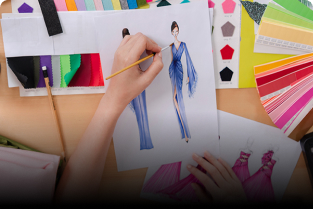
Fashion designing is one of the most dynamic and creative careers in the world. From runway shows to retail stores, every garment begins with a designer’s imagination. But creativity alone isn’t enough to succeed. Fashion designing requires a unique blend of artistic talent, technical skills, and industry awareness. If you want to build a strong career in fashion, mastering the right skills is essential.
1. Creativity and Imagination
At the heart of fashion design lies creativity. Designers must think outside the box, experiment with new ideas, and create original pieces that stand out. Whether it’s an elegant gown or a streetwear outfit, your creativity gives life to your designs and sets you apart in the industry.
2. Sketching and Illustration Skills
Every great design starts on paper—or a digital screen. Fashion sketching helps you visualize ideas before turning them into real garments. Strong illustration skills also help communicate designs to pattern makers, tailors, and clients.
Key skills include:
- Clean line drawing
- Proportion accuracy
- Textile detailing
- Digital illustration tools like Adobe Illustrator or Procreate
3. Understanding Fabrics and Textiles
The choice of fabric can make or break a design. Fashion designers must know:
- Fabric types
- Textures
- Stretch and drape
- Fabric behavior
- Color compatibility
This knowledge helps you choose the right material and ensures your designs are both stylish and functional.
4. Pattern Making and Draping
Turning a sketch into a wearable outfit requires pattern making—the blueprint of a garment. Draping involves positioning and pinning fabric on a mannequin to create shapes.
These technical skills help ensure:
- Perfect garment fit
- Accurate measurements
- Seam and construction precision
5. Sewing and Garment Construction
Even if designers don’t sew every outfit themselves, understanding sewing fundamentals is important. It helps you communicate with tailors, troubleshoot issues, and ensure your designs are structurally sound.
6. Trend Forecasting
Fashion is always evolving. Designers must keep up with:
- Global fashion trends
- Seasonal color palettes
- Consumer preferences
- Influences from culture, art, and media
Trend forecasting allows you to stay relevant and create designs people actually want to wear.
7. Business and Marketing Knowledge
Fashion designing is not only about creativity—it’s also about business. Designers who understand branding, marketing, and consumer behavior have a competitive edge.
Important business skills include:
- Pricing strategies
- Market research
- Social media marketing
- Brand identity development
8. Communication and Collaboration
Fashion designers often work with teams including:
- Tailors
- Pattern makers
- Photographers
- Models
- Clients
Clear communication ensures your vision becomes a reality. Collaboration also helps you build a professional network and grow in the industry.
9. Attention to Detail
Fashion is all about the fine details—stitching, colors, embellishments, finishing, and fit. A good designer pays attention to every small element, making sure the final product is flawless.
10. Adaptability and Willingness to Learn
The fashion world changes rapidly. Successful designers stay open to learning new techniques, tools, and trends. Whether it’s mastering new digital design software or exploring sustainable fashion, adaptability is key to long-term success.
Conclusion
Mastering fashion designing takes time, practice, and passion. By developing both creative and technical skills, you can build a strong foundation for a rewarding career in fashion. Whether you dream of launching your own brand or working with top fashion houses, these skills will help you succeed in the ever-changing, competitive world of fashion design.


