
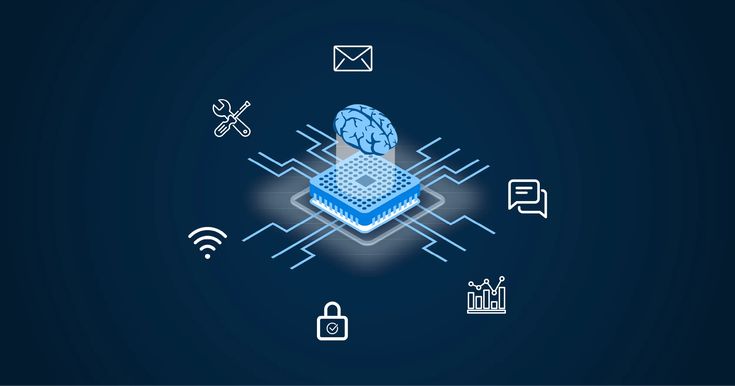
Embedded systems are one of the most important technologies behind modern electronic devices. Although many people use embedded systems every day, they often do not realize how essential these systems are in powering the devices around them. From smartphones and smart TVs to washing machines and automobiles, embedded systems help electronic products perform specific tasks efficiently and reliably.
As technology continues to advance, embedded systems are becoming smarter, faster, and more connected. They play a critical role in automation, communication, healthcare, transportation, and many other industries.
What Are Embedded Systems?
An embedded system is a combination of hardware and software designed to perform a dedicated function within a larger electronic device. Unlike general-purpose computers, embedded systems are built for specific tasks and often operate with limited resources.
These systems usually include microcontrollers, sensors, memory, processors, and software that work together to control the device’s functions. Embedded systems can operate independently or connect with other systems through networks and the internet.
Their ability to deliver reliable performance while consuming minimal power makes them ideal for modern electronic devices.
Embedded Systems in Smartphones
Smartphones are among the most common examples of embedded systems in everyday life. Multiple embedded systems inside smartphones manage different functions such as touchscreens, cameras, audio systems, battery management, GPS navigation, and wireless communication.
Embedded processors ensure smooth performance while optimizing power consumption. Sensors like accelerometers and gyroscopes allow features such as screen rotation, fitness tracking, and motion detection.
Without embedded systems, modern smartphones would not be capable of supporting advanced applications and intelligent features.
Smart Home Appliances
Embedded systems are widely used in household appliances to improve convenience and efficiency. Devices such as refrigerators, washing machines, microwave ovens, air conditioners, and smart lighting systems rely on embedded technology.
For example, smart washing machines use sensors and embedded controllers to adjust water levels, temperature, and washing cycles automatically. Smart refrigerators can monitor temperature and alert users if maintenance is needed.
IoT-enabled appliances can even connect to smartphones, allowing users to control devices remotely and automate household tasks.
Automotive Applications
Modern vehicles contain numerous embedded systems that improve safety, performance, and driving comfort. Engine control units, anti-lock braking systems (ABS), airbags, navigation systems, and parking assistance all depend on embedded technology.
Embedded systems process real-time data from sensors to monitor vehicle performance and assist drivers. Advanced driver-assistance systems (ADAS) use embedded intelligence for features such as lane detection, collision warnings, and automatic braking.
As electric and autonomous vehicles continue to evolve, embedded systems will become even more important in transportation technology.
Embedded Systems in Healthcare
Healthcare devices use embedded systems to provide accurate monitoring, diagnostics, and treatment support. Medical equipment such as heart monitors, infusion pumps, pacemakers, and imaging systems depend on embedded software and hardware.
Wearable fitness trackers and smartwatches also use embedded systems to monitor heart rate, oxygen levels, sleep patterns, and physical activity.
These technologies improve patient care, increase medical efficiency, and support remote healthcare services.
Consumer Electronics and Entertainment
Embedded systems are a major part of entertainment and consumer electronics. Smart TVs, gaming consoles, digital cameras, printers, and audio systems all use embedded technology to deliver advanced features and smooth performance.
Streaming devices and voice assistants rely on embedded processors and sensors to interact with users and provide intelligent services. Modern gaming systems also use embedded systems to manage graphics, controls, and online connectivity.
As entertainment technology continues to grow, embedded systems will support more immersive and interactive experiences.
Industrial and Manufacturing Automation
Industries use embedded systems for automation, monitoring, and machine control. Industrial robots, automated assembly lines, and smart sensors help manufacturers improve productivity and reduce operational errors.
Embedded systems can collect and analyze data in real time, allowing businesses to optimize performance and predict equipment maintenance needs.
This automation supports Industry 4.0, where smart factories use connected technologies to improve efficiency and production quality.
Benefits of Embedded Systems
High Efficiency
Embedded systems are designed for specific tasks, allowing them to operate efficiently and reliably.
Low Power Consumption
Most embedded systems consume minimal energy, making them suitable for portable and battery-powered devices.
Compact Size
Embedded technology allows manufacturers to create smaller and lighter electronic devices.
Real-Time Performance
Embedded systems can process data and respond quickly, which is important for applications such as healthcare and automotive safety.
Automation and Intelligence
Modern embedded systems support automation, artificial intelligence, and smart decision-making in devices.
Challenges of Embedded Systems
Despite their advantages, embedded systems also face certain challenges.
Security Risks
Connected embedded devices may become targets for cyberattacks if proper security measures are not implemented.
Limited Resources
Embedded systems often operate with limited memory, processing power, and storage capacity.
Complex Development
Designing and testing embedded systems can be technically challenging due to hardware and software integration requirements.
Maintenance and Updates
Updating embedded software in large networks of devices can sometimes be difficult and time-consuming.
The Future of Embedded Systems
The future of embedded systems is closely connected with emerging technologies such as artificial intelligence, IoT, robotics, and 5G communication.
Smart cities, autonomous vehicles, wearable healthcare devices, and industrial automation systems will rely heavily on embedded technology. Future embedded systems are expected to become more intelligent, energy-efficient, and capable of real-time data processing.
As electronic devices become smarter and more connected, embedded systems will continue to drive innovation across industries.
Conclusion
Embedded systems are the invisible technology powering many of the electronic devices people use every day. From smartphones and smart appliances to healthcare equipment and automobiles, these systems provide intelligence, automation, and efficiency.


