
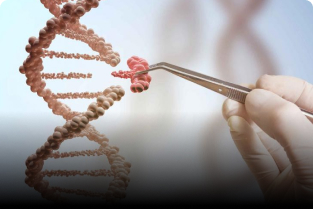
The fields of genetic engineering and nanotechnology are converging to create some of the most groundbreaking innovations in modern science. While genetic engineering allows us to rewrite the biological code of life, nanotechnology equips scientists with ultra-precise tools to manipulate materials at the molecular and atomic scale. Together, they are unlocking new possibilities—from curing genetic diseases to designing smarter drug delivery systems.
This synergy is giving rise to the next wave of genetic breakthroughs, transforming healthcare, agriculture, biotechnology, and more.
1. Nanotechnology Enables Ultra-Precise Gene Editing
Gene-editing technologies like CRISPR have already reshaped biology, but nanotechnology is improving them further by making gene delivery safer and more efficient.
How Nanotech Enhances Gene Editing
- Nanocarriers (like lipid nanoparticles) transport CRISPR components into cells without damaging them.
- Nanoparticles protect gene-editing tools from degradation inside the body.
- They target specific tissues, increasing precision and reducing side effects.
This combination makes genetic treatments more practical and scalable for real-world medical applications.
2. Nanobots Are Revolutionizing Drug and Gene Delivery
Imagine microscopic robots capable of finding diseased cells, delivering medicine, or repairing DNA. This is no longer science fiction—nanobots are already being tested in clinical and laboratory settings.
Key Innovations
- DNA Origami Nanobots: Folded DNA structures programmed to open and release drugs when they sense specific molecules.
- Magnetic and Chemical Nanobots: Guided through the body to treat tumors or deliver genetic material.
- Smart Nanocarriers: Respond to temperature, pH, or biological signals for controlled gene delivery.
These technologies dramatically increase the success rate of genetic therapies.
3. Nanotechnology Improves Precision Medicine
One of the most exciting benefits of nanotech-driven genetic engineering is the rise of precision medicine—treatments tailored to an individual’s genetic makeup.
Applications
- Personalized nanomedicine that matches a patient’s DNA profile
- Nanotech-assisted diagnostics that detect diseases earlier than ever
- Gene therapies designed for rare genetic disorders
With nanoscale tools, genetic information can be read, analyzed, and acted upon with unprecedented accuracy.
4. Nanotech Boosts Agricultural Genetic Engineering
The fusion of nanotechnology and genetic engineering isn’t limited to human health—it’s transforming global agriculture.
Benefits
- Nanoparticles deliver DNA and RNA into plant cells without expensive equipment
- Increased crop resilience to drought, pests, and diseases
- Faster creation of genetically enhanced crops
- Reduced reliance on harmful chemicals
These advancements could help address global food security challenges.
5. Future Possibilities: What’s Next?
As research accelerates, nanotechnology may soon make it possible to:
- Repair genetic mutations in real time
- Create targeted cancer therapies with near-zero side effects
- Build synthetic cells programmed with nanoscale components
- Detect genetic diseases before symptoms appear
The future of biotechnology is undeniably nano-powered.
Conclusion
Nanotechnology is not just complementing genetic engineering—it is transforming it. By providing unparalleled precision, efficiency, and control, nanotech is enabling breakthroughs once thought impossible. From curing genetic diseases to creating resilient crops, the union of these two cutting-edge fields is shaping a healthier, smarter, and more sustainable future.


