
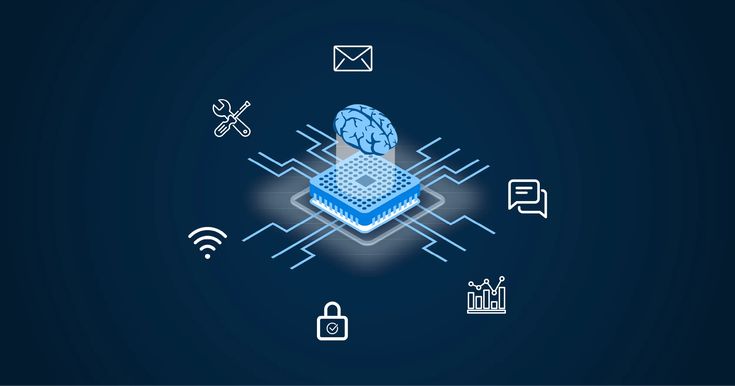
As technology evolves, two terms often appear together: embedded systems and the Internet of Things (IoT). While they sound different, they are closely connected—and in many cases, one cannot exist without the other. But are embedded systems actually a part of IoT? The short answer is yes—embedded systems form the foundation of IoT devices. Let’s explore how they work together.
What Are Embedded Systems?
An embedded system is a small, specialized computer built into a device to perform specific tasks. It includes:
-
A microcontroller or microprocessor
-
Memory
-
Input/output interfaces
-
Software (firmware)
Embedded systems can be found in:
-
Washing machines
-
Cars
-
Smart TVs
-
Medical devices
-
Industrial machines
These systems are designed to operate independently with minimal human intervention.
What Is IoT (Internet of Things)?
The Internet of Things refers to a network of smart devices connected to the internet. These devices collect data, share information, and sometimes act automatically using AI or cloud systems.
Common IoT devices include:
-
Smart thermostats
-
Wearables
-
Smart home assistants
-
Security cameras
-
Connected appliances
IoT aims to make everyday devices intelligent, automated, and connected.
Are Embedded Systems a Part of IoT?
Yes. Embedded systems are the building blocks of IoT devices.
IoT devices need:
-
Sensors to collect data
-
Microcontrollers to process it
-
Communication modules to send it to the cloud
-
Software to control the device
All of these components are part of an embedded system. Without embedded systems, IoT devices cannot function.
Embedded System = Brain of the IoT Device
For example:
-
A smart watch uses an embedded system to track health data and connect to the app.
-
A smart bulb uses a microcontroller to change brightness and respond to your phone commands.
-
A smart security camera uses embedded firmware to process video and upload it to the cloud.
How Embedded Systems Enable IoT
1. Data Collection
Sensors in embedded systems gather temperature, motion, humidity, location, etc.
2. Data Processing
Microcontrollers analyze the collected data before sending it.
3. Communication
IoT devices use embedded communication modules like Wi-Fi, Bluetooth, Zigbee, LoRa, or 5G.
4. Automation
Firmware allows IoT devices to make decisions based on conditions.
Example:
A smart thermostat adjusts temperature automatically after analyzing sensor data.
Examples Where Embedded Systems and IoT Work Together
-
Smart home devices: Smart locks, smart plugs, doorbells
-
Healthcare devices: Heart-rate monitors, glucose meters
-
Industrial IoT: Automated machines, predictive maintenance systems
-
Automobiles: Connected car systems, GPS, ADAS
-
Agriculture IoT: Soil sensors, irrigation systems
In all these cases, embedded systems handle internal processing while IoT enables connectivity.
Differences Between Embedded Systems and IoT
| Feature | Embedded Systems | IoT |
|---|---|---|
| Purpose | Perform specific tasks | Connect devices for data sharing |
| Connectivity | Optional | Always connected |
| Data Usage | Local processing | Cloud + network communication |
| Examples | Microwave oven, digital watch | Smart home systems, wearables |
Conclusion
Embedded systems are not just a part of IoT—they are the core technology that makes IoT possible. While embedded systems handle the internal processing and control of a device, IoT adds connectivity, automation, and intelligence.


