
Why Data Science Is the Most In-Demand Skill Today

In today’s digital world, data is everywhere. From the apps we use daily to the businesses we interact with, vast amounts of data are generated every second. But raw data alone is not valuable—what truly matters is how it is analyzed and used. This is where data science comes in.

Over the past few years, data science has emerged as one of the most sought-after skills across industries. But what makes it so valuable, and why is everyone talking about it? Let’s explore.


The Rise of Data in the Digital Era

With the growth of the internet, smartphones, and digital services, organizations now collect massive amounts of data. This includes customer behavior, transaction records, social media activity, and more.

Companies rely on data science to:

  • Understand customer preferences
  • Predict future trends
  • Make data-driven decisions
  • Improve products and services

Without data science, this information would remain unused and meaningless.


High Demand Across Industries

One of the biggest reasons data science is in demand is its versatility. It is not limited to one field—almost every industry needs data professionals.

Key industries using data science:

  • Healthcare (disease prediction, patient care)
  • Finance (fraud detection, risk analysis)
  • E-commerce (recommendation systems)
  • Marketing (customer segmentation, targeting)
  • Technology (AI and machine learning systems)

This wide application ensures a continuous demand for skilled data scientists.


Attractive Salary and Career Growth

Data science roles are among the highest-paying jobs globally. Due to the shortage of skilled professionals, companies are willing to offer competitive salaries and benefits.

Common roles include:

  • Data Scientist
  • Data Analyst
  • Machine Learning Engineer
  • Business Intelligence Analyst

With experience, professionals can move into leadership roles such as data architects or AI specialists.


Power of Decision-Making

Businesses today rely heavily on data-driven decision-making rather than intuition. Data science helps organizations:

  • Identify opportunities
  • Reduce risks
  • Improve efficiency
  • Gain a competitive advantage

This ability to turn data into actionable insights makes data science an essential skill.


Integration with Emerging Technologies

Data science is closely connected with modern technologies such as:

  • Artificial Intelligence (AI)
  • Machine Learning (ML)
  • Big Data
  • Internet of Things (IoT)

These technologies depend on data to function effectively, making data science the backbone of innovation in the tech world.


Shortage of Skilled Professionals

Despite its popularity, there is still a significant gap between demand and supply of data science professionals. Many companies struggle to find qualified candidates with the right mix of skills, including:

  • Programming (Python, R)
  • Statistics and mathematics
  • Data visualization
  • Critical thinking

This shortage further increases its demand in the job market.


Opportunities for Beginners

One of the best things about data science is that it is accessible to learners from different backgrounds. Whether you come from engineering, business, or even non-technical fields, you can start learning data science with the right resources.

Steps to get started:

  1. Learn basic programming (Python recommended)
  2. Understand statistics and probability
  3. Practice with real datasets
  4. Build projects and a portfolio
  5. Stay updated with industry trends

Future of Data Science

The demand for data science is expected to grow even more in the coming years. As businesses continue to digitize, the need for data professionals will only increase.

Emerging trends include:

  • Automated machine learning (AutoML)
  • Real-time data analytics
  • AI-powered decision-making
  • Ethical and responsible AI

Conclusion

Data science is not just a trend—it is a fundamental skill shaping the future. Its ability to transform raw data into valuable insights makes it indispensable for businesses and organizations worldwide.

Should Artificial Intelligence Be Regulated?

Artificial Intelligence (AI) is rapidly transforming the way we live, work, and interact with technology. From personalized recommendations on streaming platforms to advanced healthcare diagnostics and autonomous vehicles, AI has become an integral part of modern life. However, as its influence grows, a critical question arises: Should artificial intelligence be regulated?

The answer is not simple. While AI brings immense opportunities, it also presents serious risks that cannot be ignored. Let’s explore both sides of the debate.


The Case for Regulating AI

1. Preventing Misuse and Harm

AI can be used for harmful purposes such as deepfakes, cyberattacks, and surveillance. Without proper regulation, these technologies can be exploited to spread misinformation, invade privacy, or manipulate public opinion.

2. Ensuring Data Privacy

AI systems rely heavily on data. Without strict guidelines, companies may misuse personal information, leading to privacy violations. Regulations can enforce transparency in how data is collected, stored, and used.

3. Reducing Bias and Discrimination

AI systems can unintentionally reflect biases present in their training data. This can lead to unfair outcomes in areas like hiring, lending, or law enforcement. Regulation can ensure fairness, accountability, and ethical AI practices.

4. Safety in Critical Applications

In sectors like healthcare, transportation, and finance, AI errors can have serious consequences. Regulatory frameworks can enforce safety standards and testing before deployment.


The Case Against Over-Regulation

1. Slowing Innovation

Strict regulations may hinder innovation by creating barriers for startups and researchers. AI is a fast-evolving field, and excessive rules could limit creativity and technological progress.

2. Global Competition

Countries that impose fewer restrictions might advance faster in AI development, gaining economic and strategic advantages. Over-regulation could put some nations at a disadvantage globally.

3. Difficulty in Implementation

AI is complex and constantly evolving. Creating laws that remain relevant over time is challenging. Poorly designed regulations may become outdated quickly or fail to address real issues.


Finding the Right Balance

Instead of choosing between complete freedom and strict control, the ideal approach lies in balanced regulation. Governments and organizations should focus on:

  • Ethical guidelines for AI development
  • Transparency requirements for algorithms
  • Accountability frameworks for AI decisions
  • Collaboration between governments, tech companies, and researchers

Flexible policies that adapt to technological changes can help ensure both safety and innovation.


The Role of Global Cooperation

AI is not limited by borders. International cooperation is essential to create consistent standards and prevent misuse across countries. Collaborative efforts can help build trust and ensure responsible AI development worldwide.


Conclusion

Artificial intelligence has the potential to reshape the future in extraordinary ways. However, with great power comes great responsibility. Regulation is necessary to minimize risks, protect individuals, and ensure ethical use—but it must be carefully designed to avoid stifling innovation.

What Is Cyber Security and What Are Its Uses? (2026 Guide)

In today’s digital-first world, almost everything we do—banking, shopping, studying, working, and even socializing—happens online. This massive shift makes our data more vulnerable than ever. That’s where cyber security comes in.

Cyber security is no longer just an option; it is a necessity for individuals, businesses, governments, and every digital user. In this blog, we will explain what cyber security is and how it is used in the real world.


What Is Cyber Security?

Cyber security refers to the practice of protecting computers, networks, mobile devices, servers, and data from digital attacks. These attacks may include hacking, malware, ransomware, phishing, data breaches, and other cyber threats.

It involves a combination of technologies, processes, and best practices designed to keep systems secure from unauthorized access, misuse, or destruction.

Main goals of cyber security:

  • Confidentiality: Only authorized people should access information.
  • Integrity: Data should remain accurate and unaltered.
  • Availability: Information and services must be available when users need them.

Why Is Cyber Security Important?

Cyber attacks are increasing rapidly as technology advances. Hackers target everything—from small businesses to large corporations, government systems, and personal devices.

Without cyber security:

  • Sensitive data can be stolen
  • Financial losses can occur
  • Businesses may be forced to shut down
  • Malware and ransomware can destroy systems
  • User privacy can be compromised

What Are the Uses of Cyber Security?

Cyber security is applied across multiple industries and scenarios. Here are the most important uses:


1. Protecting Personal Data

Cyber security tools protect your:

  • Passwords
  • Bank details
  • Personal documents
  • Social media accounts
  • Devices (phones, laptops, tablets)

Use: Prevents identity theft, financial fraud, and unauthorized access.


2. Securing Business Data & IT Systems

Companies rely on cyber security to protect:

  • Customer data
  • Financial records
  • Intellectual property
  • Company networks
  • Employee information

Use: Prevents costly data breaches and builds customer trust.


3. Preventing Cyber Attacks

Cyber security solutions defend against threats like:

  • Malware
  • Phishing
  • Ransomware
  • DDoS attacks
  • Social engineering

Use: Ensures that digital services remain safe and uninterrupted.


4. Safeguarding Government & National Security

Governments use cyber security to protect:

  • Military systems
  • National databases
  • Digital infrastructure
  • Public services

Use: Prevents cyber warfare and protects critical national assets.


5. Securing Online Transactions

Cyber security ensures safe:

  • Online banking
  • E-commerce payments
  • UPI and mobile payments

Use: Protects users from financial fraud and identity theft.


6. Cloud Security

As companies move to the cloud, cyber security helps protect data stored on:

  • Cloud platforms
  • Remote servers
  • SaaS applications

Use: Ensures secure remote work and cloud-based operations.


7. Email & Communication Security

Email is one of the biggest entry points for cyber attacks.

Cyber security tools protect against:

  • Spam
  • Phishing
  • Business email compromise

Use: Keeps communication private and secure.


8. Securing IoT Devices

Smart devices like:

  • Smart TVs
  • Home assistants
  • Security cameras
  • Smart appliances

are highly vulnerable to cyber attacks.

Use: Ensures safety and prevents unauthorized device access.


9. Ensuring Compliance With Laws & Standards

Businesses must follow regulations like:

  • GDPR
  • HIPAA
  • PCI-DSS

Use: Avoids penalties and ensures proper data handling.


10. Disaster Recovery & Business Continuity

Cyber security also includes strategies to:

  • Recover lost data
  • Restore systems
  • Maintain operations during attacks

Use: Minimizes downtime and financial losses.


Conclusion

Cyber security is the backbone of today’s digital world. It protects personal data, businesses, governments, financial systems, and online activities from cyber threats. As technology grows, cyber security becomes even more important for ensuring safety, privacy, and trust in the online world.

What Are the Necessary Tools of an Android Developer? (2026 Guide)

Android development continues to grow rapidly as smartphones dominate the global device ecosystem. Whether you’re a beginner or an experienced developer, having the right tools directly impacts productivity, code quality, and the overall success of your apps. This guide covers the most important tools every Android developer must use in 2026.


1. Android Studio (Official IDE)

Android Studio remains the primary and most powerful IDE for building Android apps. It offers:

  • Intelligent code editor
  • Built-in emulators
  • Performance profilers
  • UI layout editor
  • Debugging and testing tools

Why it’s necessary:
It provides a complete development environment tailored specifically for Android apps.


2. Kotlin (Primary Programming Language)

Kotlin has become the go-to language for Android development.

Key features:

  • Concise syntax
  • Null safety
  • Coroutines for asynchronous tasks
  • Interoperability with Java

Why it’s necessary:
Faster development, fewer bugs, and Google’s strong support.


3. Java (Supporting Language)

Though Kotlin leads the way, Java still plays an important role in maintaining older projects.

Why it’s necessary:
Many legacy Android apps are built using Java, and understanding it helps in system-level development.


4. Android SDK (Software Development Kit)

The SDK provides essential tools such as:

  • Build tools
  • Platform tools
  • Debug tools
  • System images

Why it’s necessary:
You need the SDK to compile, test, and run your apps.


5. Android Virtual Device (AVD) and Emulators

Every Android developer needs emulators to test apps across:

  • Different screen sizes
  • OS versions
  • CPU architectures

Why it’s necessary:
Testing on real devices is ideal, but emulators allow quick and broad compatibility testing.


6. Git & GitHub/GitLab/Bitbucket

Version control is essential for any serious Android developer.

Tools to know:

  • Git
  • GitHub
  • GitLab
  • Bitbucket

Why it’s necessary:
It helps track changes, collaborate with teams, and manage code efficiently.


7. Gradle (Build Automation Tool)

Gradle automates tasks like:

  • Packaging apps
  • Managing dependencies
  • Running tests

Why it’s necessary:
It integrates seamlessly with Android Studio and supports large-scale, complex projects.


8. Firebase (Backend & Cloud Services)

Firebase provides powerful tools for building feature-rich apps.

Popular features:

  • Firestore database
  • Authentication
  • Cloud Messaging (FCM)
  • Crashlytics
  • Hosting and analytics

Why it’s necessary:
You can build scalable apps without managing your own backend.


9. UI/UX Design Tools

Creating visually appealing and user-friendly apps requires design tools such as:

  • Figma
  • Adobe XD
  • Sketch
  • Material Design guidelines

Why it’s necessary:
Designing prototypes helps visualize app flow and ensures better user experience.


10. Testing Tools

Testing is a major part of Android development.

Essential tools include:

  • JUnit
  • Espresso
  • Mockito
  • UI Automator

Why it’s necessary:
Automated testing ensures stability, speed, and reliability.


11. Libraries & Frameworks

Modern Android development relies heavily on libraries like:

  • Jetpack Compose
  • Retrofit
  • Glide/Picasso
  • Dagger/Hilt
  • Room Database

Why it’s necessary:
Libraries save development time and improve performance and maintainability.


12. Command-Line Tools

Tools like ADB (Android Debug Bridge) are vital for:

  • Debugging
  • Installing APKs
  • Viewing logs
  • Device communication

Why it’s necessary:
It offers deeper control over your development environment.


Final Thoughts

To become a skilled Android developer, you need a combination of coding tools, testing frameworks, design resources, and cloud services. With these essential tools, you can build high-quality, scalable, and modern Android applications in 2026 and beyond.

What are the current trends in web development?


Web development is evolving faster than ever. As businesses shift toward smarter digital experiences, developers must stay updated on the latest technologies, tools, and best practices. Here are the current web development trends shaping 2026 and why they matter for developers, businesses, and users.


1. AI-Powered Development & Automation

Artificial Intelligence has become a core part of modern web development. Tools powered by AI help developers generate code, fix bugs, build UI layouts, and automate repetitive tasks.

Key examples include:

  • AI-assisted coding tools
  • Automated testing frameworks
  • AI chatbots and virtual assistants
  • AI-powered design-to-code tools

Why it matters: Faster development cycles and smarter, personalized user experiences.


2. No-Code & Low-Code Platforms

No-code tools continue to grow in popularity, allowing entrepreneurs and designers to build websites without writing code.

Popular trends:

  • Drag-and-drop builders
  • Workflow automation tools
  • Low-code back-end platforms

Why it matters: Faster prototyping and reduced development cost.


3. Progressive Web Apps (PWAs)

PWAs remain one of the strongest trends due to their high performance and app-like features.

Key features:

  • Offline access
  • Push notifications
  • Fast loading
  • Cross-platform compatibility

Why it matters: PWAs offer mobile-app performance without app store downloads.


4. Web3, Blockchain, and Decentralized Apps (DApps)

Web development is moving toward decentralized architectures, especially in finance, gaming, and identity management.

Trending technologies:

  • Smart contracts
  • Crypto wallets
  • Decentralized storage systems
  • Token-based authentication

Why it matters: More transparency, security, and user ownership.


5. Voice Search Optimization

With the increasing use of voice assistants, optimizing websites for voice search has become crucial.

Key practices:

  • Conversational content
  • Natural language SEO
  • Faster page loading

Why it matters: Voice search is becoming a major source of online traffic.


6. Advanced Cybersecurity Enhancements

Cyber threats are higher than ever, pushing developers to adopt stronger security practices.

2026 security trends:

  • Zero Trust architecture
  • Biometric authentication
  • HTTPS-first development
  • Better API security

Why it matters: Users expect safe, privacy-focused experiences.


7. Motion UI & Micro-interactions

Modern websites focus heavily on user engagement. Motion UI brings smooth animations and meaningful transitions.

Examples:

  • Hover animations
  • Scroll-triggered effects
  • Interactive buttons
  • Animated icons

Why it matters: Enhances user engagement and brand personality.


8. Headless CMS & Composable Architecture

Web development is shifting to more flexible content management systems.

Key elements:

  • Faster content delivery
  • API-first design
  • Reusable components

Why it matters: Allows scaling websites across multiple platforms (web, mobile, IoT, etc.).


9. Cloud Development & Serverless Architecture

Developers increasingly use cloud platforms for hosting, managing, and deploying applications.

Trending approaches:

  • Serverless functions
  • Cloud-based CI/CD pipelines
  • Edge computing

Why it matters: Lower infrastructure costs and better scalability.


10. Dark Mode & Personalized UI

Websites now adapt to user preferences using system controls and AI.

Trends include:

  • Auto dark/light modes
  • Adaptive layouts
  • Personalized content

Why it matters: Improves accessibility and enhances user experience.


Final Thoughts

The web development landscape in 2026 is dynamic, fast-evolving, and full of innovation. Whether you’re a beginner or an experienced developer, staying updated with these trends will help you stay competitive and build modern, high-quality digital experiences.

To Become a Robotics Engineer, Should I Major in Computer Science?

Robotics is one of the most exciting and fast-growing fields in technology today. From self-driving cars to humanoid assistants and industrial automation, robotics engineers are shaping the future. If you’re passionate about building intelligent machines, you might be asking yourself: “Do I need to major in computer science to become a robotics engineer?”

The short answer is: Computer science is an excellent path—but it’s not the only one. Robotics is a multidisciplinary field, and several majors can lead you to a successful robotics engineering career. Let’s break it down.


What Does a Robotics Engineer Do?

A robotics engineer designs, builds, tests, and programs robots that perform tasks ranging from manufacturing to healthcare and exploration. Their work includes:

  • Programming robotic systems
  • Designing mechanical parts
  • Integrating sensors and electronics
  • Developing AI algorithms
  • Testing automation processes

Because robotics involves both hardware and software, engineers need a mix of computer science, electronics, and mechanical knowledge.


Is Computer Science a Good Major for Robotics?

Yes—especially if you’re interested in the software side of robotics.

Computer science focuses on the core concepts that power modern robots, such as:

  • Algorithms
  • Artificial intelligence (AI)
  • Machine learning
  • Robotics programming (Python, C++, ROS)
  • Computer vision
  • Data structures
  • Embedded systems

If you want to build intelligent robots, develop their “brain,” or work on autonomous navigation, CS is an excellent foundation.

What CS majors typically do in robotics:

  • Develop control algorithms
  • Create AI systems
  • Build software for robot coordination
  • Implement computer vision models
  • Work with ROS (Robot Operating System)

If software fascinates you, computer science is the perfect major.


But CS Isn’t the Only Major for Robotics

Robotics is multidisciplinary, so other majors can be just as valuable—sometimes even more, depending on your interests.

1. Mechanical Engineering

Best for designing robot bodies, actuators, joints, and motion systems.

2. Electrical or Electronics Engineering

Great for working with circuits, sensors, microcontrollers, and power systems.

3. Mechatronics Engineering

A hybrid degree combining mechanical, electrical, and software engineering—specifically tailored for robotics.

4. Aerospace Engineering

Useful for drone robotics, navigation, and control systems.

5. Biomedical Engineering

Ideal for medical robotics, prosthetics, or surgical robots.

Each of these fields contributes something unique to robotics engineering.


Which Major Should YOU Choose?

Choose Computer Science if you:

  • Enjoy coding
  • Want to work on AI, machine learning, or computer vision
  • Prefer software over hardware
  • Want to build robot intelligence and automation systems

Choose Mechanical or Mechatronics Engineering if you:

  • Love designing machines and physical systems
  • Want to build the robot’s structure and mechanics

Choose Electrical/Electronics Engineering if you:

  • Enjoy circuits, sensors, and embedded systems
  • Want to work on robotics hardware and electronics

Choose a hybrid path if you:

  • Want flexibility in both hardware and software
  • Are interested in multidisciplinary roles

Do You Need a Robotics Degree?

Not necessarily. Many universities now offer Robotics Engineering or Mechatronics as standalone programs. These are excellent if you want a direct and specialized path into robotics.

But even without a robotics degree, you can still enter the field by gaining the right skills.


Skills You Must Learn (Regardless of Your Major)

To succeed in robotics, focus on learning:

  • Programming (Python, C++)
  • Microcontrollers (Arduino, Raspberry Pi, STM32)
  • CAD design (SolidWorks, Fusion 360)
  • Control systems
  • Embedded systems
  • Electronics fundamentals
  • Machine learning and AI basics
  • ROS (Robot Operating System)

These skills are often more important than your degree title.


Conclusion

So, should you major in computer science to become a robotics engineer?
Yes—if you want to specialize in robotics software, AI, and autonomous systems. But no—it’s not the only path. Robotics is a blend of engineering disciplines, and many majors can lead you into this field.

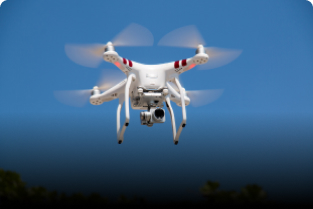
Drone Engineering: The Technology Powering the Future of Flight

Drone engineering has rapidly evolved from simple remote-controlled devices to intelligent flying machines capable of performing complex tasks across industries. In 2026, drones are more advanced, autonomous, and widely used than ever before. Whether it’s delivering packages, monitoring crops, or aiding in disaster management, drone technology is transforming the future of flight.

If you’re curious about how drones work and why drone engineering is one of the fastest-growing tech fields, this guide will give you everything you need to know.


What Is Drone Engineering?

Drone engineering involves designing, building, and maintaining unmanned aerial vehicles (UAVs). It combines multiple disciplines, including:

  • Aerodynamics
  • Mechanical engineering
  • Software development
  • Electronics and robotics
  • Artificial intelligence (AI)

The goal is to create drones that can fly efficiently, navigate autonomously, capture data, and perform specialized tasks.


How Do Drones Work? Key Components

A modern drone is built using advanced systems that work together seamlessly. Here are the key components:

1. Frame and Structure

Provides the foundation and determines stability, weight, and durability.

2. Propellers & Motors

Generate lift and directional control. Brushless motors offer higher efficiency.

3. Flight Controller

Acts as the drone’s brain—processing signals, stabilizing flight, and controlling movement.

4. Sensors

Drones use several sensors such as:

  • Gyroscope
  • Accelerometer
  • GPS
  • LiDAR
  • Obstacle detection sensors

These help the drone understand its environment.

5. Battery & Power Systems

Most drones run on lithium-polymer (LiPo) batteries for long and powerful flights.

6. Camera Systems

High-definition cameras enable mapping, photography, surveillance, and analysis.

7. Software & AI Algorithms

AI helps drones navigate autonomously, avoid obstacles, and complete tasks without human intervention.


Types of Drones in 2026

1. Multirotor Drones

Most common for photography, inspections, and small operations.

2. Fixed-Wing Drones

Ideal for long-distance travel and surveying large areas.

3. Hybrid / VTOL Drones

Combine vertical takeoff with the long-range ability of fixed-wing aircraft.

4. Nano and Micro Drones

Used for research, indoor inspections, and specialty missions.

5. Industrial / Heavy-Lift Drones

Designed to carry large payloads for logistics and construction.


Applications of Drone Engineering in 2026

Drone engineering is revolutionizing multiple sectors:

1. Agriculture

Drones monitor crop health, spray fertilizers, and collect soil data. Precision farming saves time and increases yield.

2. Delivery & Logistics

Companies are using drones for same-day deliveries in cities and remote areas.

3. Construction & Infrastructure

Engineers use drones for site inspection, mapping, surveying, and structural analysis.

4. Defense & Security

Surveillance drones help monitor borders, track threats, and support military operations.

5. Healthcare

Drones deliver medical supplies, blood samples, and emergency equipment in record time.

6. Disaster Management

Used to locate survivors, map affected zones, and deliver relief materials.

7. Environmental Monitoring

Drones track wildlife, detect forest fires, and monitor pollution levels.


Latest Drone Engineering Trends in 2026

1. AI-Powered Autonomous Drones

Smart drones can make decisions, detect obstacles, and navigate complex environments.

2. Longer Battery Life & Solar Drones

Advancements in battery tech are increasing flight times dramatically.

3. Swarm Robotics

Multiple drones working together like a swarm improve efficiency in defense, agriculture, and research.

4. 5G and Real-Time Data Transfer

High-speed connectivity enables smoother flying and faster data streaming.

5. Hydrogen Fuel Cell Drones

Offering longer flight durations and cleaner energy.

6. Improved Safety & Regulations

Countries are implementing stricter but clearer drone rules, making commercial use easier.


Skills Needed to Start a Career in Drone Engineering

If you want to build a career in drone engineering, start with these essential skills:

  • Understanding of mechanical and electrical engineering
  • Proficiency in programming (Python, C++, embedded systems)
  • Knowledge of aerodynamics
  • Hands-on experience with sensors and microcontrollers
  • Familiarity with UAV regulations
  • Ability in 3D modeling and CAD software
  • Experience with AI, computer vision, or robotics

Even beginners can start learning through online courses and drone kits.


Why Drone Engineering Is the Future

The demand for drone engineers is rising due to the growth of automation, smart cities, and AI integration. Drones are no longer luxury gadgets—they’re essential tools in global industries.

As drone technology becomes more advanced, the need for skilled professionals who can design, build, and manage UAV systems will only continue to grow.


Conclusion

Drone engineering is at the frontier of modern innovation. From delivering medicines to surveying land and saving lives during disasters, drones are shaping the future of flight and technology.

A Beginner’s Guide to Augmented and Virtual Reality in 2026

Augmented Reality (AR) and Virtual Reality (VR) have moved far beyond being just gaming technologies. In 2026, they are reshaping industries, transforming digital experiences, and creating new career opportunities. If you’re new to AR and VR, this guide will help you understand the basics, latest trends, and where these technologies are heading.


What Is Augmented Reality (AR)?

Augmented Reality overlays digital information—such as 3D objects, animations, or text—onto the real world.
Think of AR as an enhanced version of reality that adds interactive elements to your physical surroundings.

Examples of AR in daily life:

  • Using AR filters on social media
  • Viewing furniture in your home through shopping apps
  • Navigation apps with real-time directions shown on the street

AR does not replace your environment—it enhances it.


What Is Virtual Reality (VR)?

Virtual Reality immerses you in a fully digital world. With a VR headset, you enter a simulated environment where you can look around, interact, and explore as if you’re truly inside that world.

Examples of VR applications:

  • VR gaming
  • Virtual travel experiences
  • Medical and engineering simulations
  • Workplace training modules

VR replaces your real environment entirely.


AR/VR in 2026: What’s New?

1. Lightweight and Affordable Devices

Headsets are now smaller, more comfortable, and accessible to more people. Many smartphones also support advanced AR features, making it easier for beginners to get started.

2. Mixed Reality (MR) Is Growing

MR blends both AR and VR, allowing users to interact with physical and digital objects simultaneously. It is becoming popular in architecture, education, and industrial design.

3. More Realistic 3D Worlds

Thanks to advances in graphics, AI, and processing power, virtual environments feel more lifelike than ever before.

4. AR Glasses Are Becoming Common

Companies are releasing sleek AR glasses that display notifications, translate languages, and offer hands-free navigation.

5. Expanded Use in Work and Education

AR and VR are now essential tools for learning complex subjects, remote work collaboration, and job training.


How AR and VR Are Used in 2026

1. Education and Learning

Students now explore virtual science labs, historical worlds, and immersive storytelling environments. AR brings textbooks to life with interactive 3D elements.

2. Healthcare

Doctors use VR for surgical training and AR for accurate navigation during real procedures.

3. Gaming & Entertainment

Games now offer fully immersive worlds with haptic feedback suits, letting players feel movements and sensations.

4. Shopping & Retail

Customers can try on clothes virtually, visualize products in their space, and enjoy immersive store experiences.

5. Architecture & Real Estate

Buyers walk through virtual homes before they’re even built. Architects use AR to project designs onto construction sites.

6. Corporate Training

Companies train employees with VR simulations that are safer, more cost-effective, and more engaging than traditional methods.


Why AR/VR Skills Matter for Beginners in 2026

As AR and VR continue to grow, so does the demand for creative and technical professionals. Beginners can start learning:

  • 3D modeling
  • User experience (UX) for immersive environments
  • AR/VR development tools like Unity and Unreal Engine
  • Basic programming
  • Spatial design principles

Even non-tech professionals can benefit from understanding AR/VR applications in their industry.


How to Get Started with AR and VR

Here are simple steps for beginners:

1. Try AR Apps on Your Phone

Apps like virtual try-ons, AR games, or educational tools are a great starting point.

2. Explore Affordable VR Headsets

Entry-level devices help you experience immersive worlds without a big investment.

3. Watch Tutorials and Online Courses

Platforms like Coursera, Udemy, and YouTube offer beginner-friendly lessons.

4. Learn the Basics of 3D Design

Free tools like Blender help you understand how virtual objects are created.

5. Join AR/VR Communities

Forums, Discord groups, and events help you stay updated and connect with other learners.


Conclusion

In 2026, Augmented Reality and Virtual Reality stand at the center of innovation. They’re shaping how we learn, work, shop, and interact with technology. Whether you want to explore AR/VR as a hobby or build a career in this field, now is the perfect time to start.

What Subjects Are Taught in Fashion Designing?

Fashion designing is not just about sketching stylish outfits — it’s a blend of creativity, technical skills, fabric knowledge, and industry understanding. Whether you’re planning to pursue a diploma, degree, or short-term course, you’ll study a variety of subjects that help you become a professional designer.

Here’s a complete breakdown of the main subjects taught in fashion designing.


1. Fashion Illustration and Sketching

One of the foundational subjects, fashion illustration teaches students to:

  • Draw fashion figures
  • Sketch garments and silhouettes
  • Create design concepts on paper
  • Experiment with colors and textures

This helps designers communicate their ideas visually.


2. Pattern Making and Garment Construction

These subjects focus on the technical side of fashion:

  • Understanding body measurements
  • Drafting patterns for different garments
  • Cutting fabrics accurately
  • Sewing and constructing garments

Pattern making and garment construction form the backbone of professional designing.


3. Textile Science / Fabric Studies

Fashion designers must understand the materials they work with.
This subject includes:

  • Types of fibers and fabrics
  • Fabric behavior and properties
  • Dyeing and printing techniques
  • Fabric selection for garments

Knowing textiles helps designers choose the right fabric for comfort, durability, and appearance.


4. Fashion History and Culture

This subject helps students explore:

  • Evolution of fashion through different eras
  • Influences of culture, art, and global trends
  • Famous designers and iconic styles

It inspires creativity and helps designers understand the origins of modern fashion.


5. Computer-Aided Design (CAD)

Modern fashion heavily depends on digital design tools.
Students learn:

  • Digital sketching
  • Creating tech packs
  • Designing patterns using software
  • Virtual garment visualization

Popular tools include Adobe Illustrator, Photoshop, and CLO3D.


6. Draping Techniques

Draping teaches how to create garments directly on mannequins by:

  • Pinning fabric
  • Experimenting with folds and pleats
  • Developing unique silhouettes

It helps designers bring creative ideas to life physically.


7. Fashion Merchandising and Marketing

Fashion isn’t only about designing — it’s also about selling.
This subject covers:

  • Consumer behavior
  • Brand building
  • Retail management
  • Trend forecasting
  • Visual merchandising

It prepares students for careers in fashion business and branding.


8. Color Theory and Design Concepts

Color plays a huge role in fashion.
This subject teaches:

  • Color psychology
  • Color combinations
  • Mood boards
  • Design themes and stories

Students learn how colors influence perception and style.


9. Apparel Quality Control and Production

This subject focuses on:

  • Quality standards
  • Manufacturing processes
  • Inspection techniques
  • Garment finishing

It is especially useful for those interested in working with fashion brands or manufacturing units.


10. Portfolio Development

A strong portfolio is essential in fashion.
Students learn how to:

  • Present sketches
  • Create themed collections
  • Document design processes
  • Showcase completed garments

The portfolio becomes a designer’s identity when applying for jobs or freelancing.


Conclusion

Fashion designing is a blend of art, creativity, and technical knowledge. From illustration and garment construction to digital design and fashion marketing, students are trained in all aspects needed to thrive in the fashion industry.

If you’re planning to study fashion design, these subjects will help you build strong skills, sharpen your creativity, and prepare you for exciting career opportunities in the world of fashion.

Do Graphic Designers Need to Have the Ability to Draw?

One of the most common questions beginners ask is: “Do I need to know how to draw to become a graphic designer?”
The short answer is no — drawing is not a requirement, but it can be an advantage in certain situations. Many successful designers cannot sketch detailed illustrations, yet they thrive in branding, layout, typography, marketing design, and digital graphics.

Let’s break down whether drawing skills really matter in graphic design, and what skills are truly important.


Drawing vs. Designing: What’s the Difference?

Drawing is about creating art.
Graphic design is about solving problems visually.

A designer focuses on:

  • Communicating ideas
  • Organizing information
  • Creating layouts
  • Choosing colors and typography
  • Designing visual experiences

You don’t need artistic-level drawing ability to do these things effectively.


When Drawing Skills Are Not Necessary

1. Branding & Logo Design

Most logo concepts start as simple shapes. Even rough sketches are enough before moving to digital tools like Adobe Illustrator or Figma.

2. Social Media Design

This work is heavily digital — using photos, icons, typography, and pre-made assets.

3. UI/UX and Web Design

These fields rely on layout, grids, and user flows — not hand-drawn artwork.

4. Marketing and Advertising Design

Here, creativity and storytelling matter more than drawing.

5. Print and Layout Design

Brochures, flyers, magazines, and business cards rely on composition, not sketching.

In all these areas, your design thinking matters more than your drawing skill.


When Drawing Skills Can Be Helpful

While not required, drawing can be beneficial in certain situations:

1. Concept Sketching

Simple doodles help you quickly communicate rough ideas before refining them digitally.

2. Illustration-Based Projects

If you want to become an illustrator or create custom artwork, drawing skills are valuable.

3. Storyboarding

For animation or video, sketching helps visualize sequences.

4. Character or Mascot Design

These areas rely heavily on drawing ability.

Even here, you don’t need to be a master artist — basic sketching skills often work just fine.


Modern Tools Reduce the Need for Drawing

Today’s graphic designers use powerful digital tools:

  • Adobe Illustrator
  • Photoshop
  • Figma
  • CorelDRAW
  • Canva
  • Procreate

These tools allow you to create shapes, icons, illustrations, and layouts without needing to draw traditionally. Templates, stock assets, and vector libraries also speed up the process.


What Skills Matter More Than Drawing in Graphic Design?

To succeed as a graphic designer, focus on:

1. Creativity & Idea Generation

Thinking differently is more important than drawing realistically.

2. Visual Communication

Your job is to make information clear and appealing.

3. Typography

Understanding fonts and text layout is one of the most valuable skills.

4. Color Theory

Choosing the right colors to communicate mood and meaning.

5. Software Proficiency

Knowing design tools matters more than hand-drawing skills.

6. Layout & Composition

Organizing elements into a balanced, meaningful design.

These are the core pillars of graphic design—drawing is optional.


Conclusion

So, do graphic designers need to know how to draw?
No — not at all.
Drawing can enhance your creativity and help with concept development, but it’s not a requirement for most design jobs.

If you’re passionate about shapes, colors, layouts, and creating digital visuals, you can thrive in graphic design even without strong drawing skills.

Form submitted! Our team will reach out to you soon.
0
    0
    Your Cart
    Your cart is emptyReturn to Course