Artificial Intelligence in 2026: The Future Has Already Begun

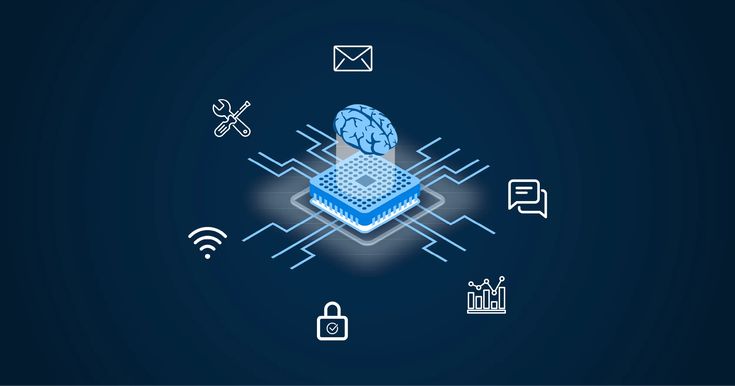
Artificial intelligence is no longer a futuristic concept—it has become the backbone of modern innovation. By 2026, AI has evolved far beyond basic automation and predictive models. It now plays a central role in how we work, learn, communicate, create, and even make decisions. From autonomous systems to hyper-personalized digital experiences, AI is shaping a new world defined by efficiency, intelligence, and innovation.

In this blog, we’ll explore the key advancements in artificial intelligence in 2026 and how they are influencing industries, jobs, and everyday life.


1. AI Becomes Fully Integrated Into Daily Life

In 2026, AI-powered systems are seamlessly woven into daily routines. Virtual assistants have moved from passive helpers to proactive partners capable of predicting needs. From smart homes that adjust themselves automatically to AI-driven wearables monitoring health in real time, the technology has become more intuitive and human-centered.

Personalized recommendations—once a luxury—are now a standard expectation across entertainment, shopping, fitness, and education.


2. The Rise of Autonomous and Intelligent Systems

Autonomous vehicles, delivery drones, and robotic systems are no longer experimental—they are widely adopted. Industries like logistics, agriculture, and healthcare now rely on fully autonomous systems that improve accuracy, reduce errors, and lower operational costs.

Manufacturing has shifted to “lights-out factories,” where AI-powered robots perform complex tasks with minimal human supervision.


3. AI-Driven Workforce Transformation

One of the biggest impacts of AI in 2026 is on jobs and career paths. Instead of replacing humans entirely, AI is reshaping roles by handling repetitive tasks and allowing people to focus on creative, strategic, and analytical work.

Companies increasingly prefer employees who can collaborate with AI tools. As a result, skills such as critical thinking, data literacy, and AI management are in high demand.

New job categories include:

  • AI workflow designers
  • Automation supervisors
  • Prompt engineers
  • AI ethics and policy experts

This shift has led to a hybrid future where humans and intelligent machines work side-by-side.


4. Generative AI Reaches New Heights

Generative AI has exploded in capability and accessibility. In 2026, it powers:

  • Ultra-realistic video generation
  • Real-time language translation
  • Automated marketing and content creation
  • AI-designed products and digital assets

Businesses use generative AI to innovate faster, produce personalized content at scale, and reduce production costs. Designers, developers, and artists now rely on AI as a collaborative partner.


5. Stronger Focus on AI Ethics and Regulation

With great power comes great responsibility. As AI becomes more advanced, governments and global organizations have introduced stricter regulations around:

  • Data privacy
  • AI transparency
  • Algorithmic fairness
  • Responsible deployment

Companies must now follow ethical frameworks to ensure AI systems do not cause harm or bias. Ethical AI development has become a key priority for every tech-driven business.


6. Hyper-Personalization Across Industries

2026 is the year personalization reaches its peak. AI analyzes large datasets in real time to deliver experiences tailored to individual preferences. Industries leveraging hyper-personalization include:

  • Healthcare: Custom treatment plans using predictive diagnostics
  • Education: Adaptive learning paths for students
  • Retail: Personalized product suggestions and dynamic pricing
  • Finance: AI-based investment recommendations

This shift has improved customer satisfaction and business performance on a massive scale.


7. AI in Scientific Discovery

AI is no longer just a tool—it is a scientific collaborator. In 2026, researchers use AI to:

  • Discover new drugs
  • Design advanced materials
  • Model climate systems
  • Predict natural disasters

This acceleration of scientific discovery is solving global challenges faster than ever before.


8. The Future Ahead: What To Expect Beyond 2026

Artificial intelligence will continue expanding into new domains, while becoming more human-like, explainable, and collaborative. We can expect:

  • More advanced AGI-like models
  • AI that understands emotions and context
  • Smarter robotics
  • Increased AI governance
  • Wider adoption in small and medium businesses

The future will be shaped by how we balance AI innovation with human creativity and ethical responsibility.


Final Thoughts

Artificial intelligence in 2026 is more than just technology—it is a catalyst for transformation across every sector. From automation to personalization to groundbreaking research, AI is reshaping the future in ways we once only imagined.

Are Cybersecurity Jobs in High Demand?

As technology evolves, so do cyber threats—and this has created a massive global demand for cybersecurity professionals. Whether it’s protecting sensitive data, securing networks, or preventing cyberattacks, organizations today rely on skilled experts more than ever before.

If you’re wondering whether cybersecurity jobs are in high demand, the simple answer is yes—more than ever. But let’s break down why this field is growing so quickly and what it means for aspiring professionals.


1. Cyberattacks Are Increasing Every Year

Cyber threats have become more frequent, more sophisticated, and more damaging. Hackers now target:

  • businesses
  • government agencies
  • hospitals
  • financial institutions
  • individuals

With attacks like ransomware, phishing, and data breaches on the rise, companies need skilled professionals who can protect their digital systems. This has made cybersecurity one of the fastest-growing job markets worldwide.


2. A Huge Talent Shortage Exists

While demand is skyrocketing, the number of qualified cybersecurity professionals is not keeping up. According to industry reports, millions of cybersecurity positions remain unfilled globally.

This shortage means:

  • higher job security
  • competitive salaries
  • faster career growth
  • more opportunities for beginners

For job seekers, the field is wide open.


3. Every Industry Needs Cybersecurity

Cybersecurity is no longer limited to the IT sector. Almost every industry now depends on secure online systems, including:

  • banking and finance
  • healthcare
  • e-commerce
  • education
  • telecommunications
  • government
  • manufacturing

This universal demand ensures long-term career stability and a wide range of specialization options.


4. Digital Transformation Is Driving the Demand

Businesses around the world are adopting cloud computing, remote work environments, online services, and digital tools. While this transformation brings convenience, it also increases vulnerability to cyber threats.

Companies need cybersecurity experts to:

  • secure cloud infrastructure
  • protect remote networks
  • implement security policies
  • monitor threats
  • respond to incidents

As digital transformation accelerates, demand for cybersecurity jobs continues to rise.


5. Regulations Require Strong Cybersecurity Measures

Governments are now enforcing strict data protection laws such as GDPR, HIPAA, and other national cybersecurity regulations. Organizations must comply with these laws or face heavy penalties.

To meet these legal requirements, companies must hire trained cybersecurity professionals—further increasing demand.


6. Cybersecurity Offers High Salaries and Rapid Career Growth

Due to the urgent need and lack of skilled workers, cybersecurity roles typically offer:

  • high starting salaries
  • quick promotions
  • specialized career paths
  • opportunities to work globally

Fields like ethical hacking, penetration testing, cloud security, and threat analysis are particularly well-paid.


7. Remote Work Has Expanded Cybersecurity Opportunities

The shift to remote and hybrid work created new security challenges. Companies now need experts who can secure:

  • home networks
  • cloud storage
  • virtual private networks (VPNs)
  • remote devices

This has opened more remote cybersecurity job opportunities than ever before.


Final Verdict: Yes, Cybersecurity Jobs Are in Very High Demand

Cybersecurity is one of the fastest-growing and most in-demand fields today. With rising cyber threats, a global talent shortage, and expanding digital reliance, the demand for cybersecurity professionals will continue to grow for many years.

Why Should I Switch to Kotlin from Java for Android Development?

For many years, Java was the default language for Android development. It powered millions of apps and shaped the foundations of the Android ecosystem. However, the landscape shifted when Google announced official support for Kotlin, a modern, expressive, and developer-friendly language.

Today, most Android developers either use Kotlin or are planning to switch. But is the shift truly worth it? What makes Kotlin superior to Java in the Android world?

Let’s explore why Kotlin has become the go-to language—and why switching from Java is one of the best decisions you can make as an Android developer.


1. Kotlin Is Officially Recommended by Google

In 2019, Google announced that Android development is now Kotlin-first. This means:

  • New Android tools, libraries, and Jetpack components are optimized for Kotlin
  • Google documentation primarily uses Kotlin
  • Kotlin-based apps often receive better support and guidance

Choosing Kotlin ensures you’re developing with the technology that the platform itself is prioritizing.


2. Kotlin Reduces Boilerplate Code

Java requires a lot of repetitive code—constructors, getters, setters, data classes, and more. Kotlin solves this with clean, concise syntax.

For example, a Java model class that takes 40 lines may take just 5 lines in Kotlin.

Less code means:

  • fewer bugs
  • faster development
  • easier readability
  • cleaner project structure

You spend more time solving problems and less time writing boilerplate.


3. Kotlin Eliminates Null Pointer Exceptions

One of the most frustrating issues in Java is the NullPointerException (NPE). Kotlin tackles this with built-in null safety.

It forces you to handle nullability explicitly, which:

  • reduces crashes
  • improves app stability
  • makes code safer and more predictable

For Android—where app reliability is essential—this is a game changer.


4. Kotlin Is Fully Interoperable With Java

Switching to Kotlin doesn’t mean abandoning your existing Java codebase. Kotlin can directly call Java code and vice versa.

This allows you to:

  • migrate slowly and safely
  • use Java libraries within Kotlin
  • maintain mixed-language projects without issues

No need to rewrite everything; just adopt Kotlin gradually.


5. Kotlin Supports Modern Programming Features

Kotlin brings many features that Java either lacks or implemented much later. Examples include:

  • Coroutines (for easy asynchronous programming)
  • Extension functions
  • Lambda expressions
  • Smart casts
  • Default and named parameters
  • Sealed classes

These features make development smoother, cleaner, and more intuitive—especially for complex Android apps.


6. Kotlin Makes Asynchronous Programming Easy With Coroutines

In Android, handling background tasks like network calls is essential. Java uses threads, callbacks, and AsyncTask (now deprecated), which can be messy.

Kotlin’s coroutines allow you to write asynchronous code that looks like normal, sequential code.

Benefits include:

  • cleaner asynchronous operations
  • fewer memory leaks
  • easier error handling
  • improved app performance

This alone is a major reason many teams switch to Kotlin.


7. Better Support for Modern Android Architecture

Modern Android development encourages:

  • MVVM
  • Clean Architecture
  • Jetpack Compose
  • Dependency Injection (Hilt/Koin)
  • LiveData/Flow

Kotlin integrates seamlessly with all of these.

Jetpack Compose, Google’s modern UI toolkit, is built with Kotlin in mind and works best with Kotlin’s language features.


8. Kotlin Improves Developer Productivity

Because Kotlin is concise, expressive, and modern, developers often find:

  • fewer errors
  • faster development times
  • easier debugging
  • better code readability

Teams that adopt Kotlin often notice a boost in productivity and reduced frustration.


9. The Industry Is Moving Toward Kotlin

Most Android job postings today prefer or require Kotlin. Major apps like Pinterest, Uber, Trello, and Coursera have already migrated.

Learning Kotlin keeps you competitive and aligns your skills with the future of Android development.


Final Thoughts: Kotlin Is the Future of Android Development

Java is still powerful, stable, and widely used—but Kotlin is cleaner, safer, more modern, and the future of Android development. It’s officially backed by Google, reduces code complexity, and supports the latest tools and architectures.

What Makes Web Development So Difficult to Learn?

Web development is one of the most in-demand skills today, yet many learners quickly discover that it’s far more challenging than it appears. At first glance, creating websites might seem simple—just some HTML, CSS, and a bit of JavaScript. But once you dive in, you realize the field is a deep ocean of evolving technologies, complex logic, and layered systems.

If you’ve ever wondered why learning web development feels overwhelming, here are the real reasons behind the struggle.


1. Too Many Technologies to Learn

One of the biggest challenges for beginners is the sheer variety of tools and languages. A typical web developer may need to understand:

  • HTML (structure)
  • CSS (design and layout)
  • JavaScript (functionality)
  • Frameworks like React, Vue, or Angular
  • Backend technologies like Node.js, Python, or PHP
  • Databases, APIs, hosting, version control, and more

This long list can make beginners feel lost before they even begin.


2. The Field Changes Extremely Fast

Web development evolves at lightning speed. New frameworks, tools, and best practices appear every year.

A tutorial from two years ago may already be outdated.

Beginners struggle because they feel pressured to constantly learn the “latest,” even before mastering the basics. Keeping up with updates can feel like running on a treadmill.


3. Coding Logic Takes Time to Build

Web development isn’t just memorizing code—it’s learning how to think logically.

Understanding:

  • how functions work
  • how data flows
  • how browsers interpret code
  • and how different parts of a website interact

…requires practice, patience, and experimentation.

Logic cannot be rushed—it develops with consistent hands-on problem-solving.


4. Debugging Can Be Frustrating

Every web developer, beginner or expert, spends a huge amount of time debugging.

Sometimes a whole layout breaks because of a missing bracket.
Sometimes a script fails because of a single typo.
Sometimes the browser caches old code and nothing makes sense at all.

Debugging teaches resilience, but it can also discourage beginners who aren’t yet comfortable identifying and solving errors.


5. Project-Based Learning Is Hard at the Start

Web development is best learned by building real projects, not just watching tutorials. But beginners often feel stuck because:

  • they don’t know what project to build
  • they don’t know where to start
  • they don’t understand how everything connects

This transition—from tutorials to real-world projects—is one of the toughest stages in the learning journey.


6. It Requires Both Creativity and Logic

Unlike fields that rely purely on analytical thinking, web development combines:

  • design sense (colors, spacing, typography)
  • coding skills (syntax, logic, functions)
  • user experience understanding (how users behave)

Balancing creativity with technical skill can be mentally demanding, especially for those stronger in one area than the other.


7. The Internet Is Full of Confusing Advice

There are thousands of tutorials, courses, blogs, and YouTube videos—each recommending a different path.

Should you learn React first or JavaScript deeply?
Backend or frontend first?
Frameworks or fundamentals?

The overload of guidance often makes it harder to choose a clear path.


8. Expectations vs. Reality

Many people start web development expecting quick results or high-paying jobs in a few months. But the reality is that mastering it requires:

  • consistent practice
  • real project experience
  • problem-solving skills
  • understanding both frontend and backend fundamentals

When progress feels slow, beginners feel discouraged.


Final Thoughts: It’s Difficult—but Absolutely Doable

Yes, web development is challenging—but that’s also what makes it rewarding.

Every bug you fix, every layout you create, every website you launch builds both confidence and skill. The key is to:

  • start small
  • master the fundamentals
  • build projects
  • stay consistent
  • avoid comparing your journey with others

With patience and practice, anyone can become a capable web developer

What Is the Best Way to Become an Engineer in Robotics?

Robotics is one of the most exciting and rapidly growing fields in engineering. From humanoid robots and industrial automation to medical robotics and autonomous vehicles, the opportunities are endless. If you dream of building intelligent machines, designing robotic systems, or working at the intersection of hardware and software, becoming a robotics engineer is an excellent career choice.

Here is the best and most complete guide to starting a successful career in robotics engineering.


1. Understand What Robotics Engineering Really Is

Robotics engineering is a multidisciplinary field that combines:

  • Mechanical engineering
  • Electrical and electronics engineering
  • Computer science
  • Artificial intelligence
  • Control systems
  • Embedded systems

A robotics engineer designs, builds, programs, tests, and improves robots that can perform tasks safely and autonomously.

Understanding this interdisciplinary nature will help you plan your learning path smarter.


2. Choose the Right Educational Path

You can become a robotics engineer through several academic routes, but the most common and effective ones are:

Bachelor’s Degree Options:

  • Robotics Engineering
  • Mechanical Engineering
  • Electrical Engineering
  • Electronics & Communication Engineering (ECE)
  • Computer Science Engineering
  • Mechatronics Engineering

Master’s Degree Options (Optional but Beneficial):

A master’s degree in:

  • Robotics
  • Artificial Intelligence
  • Automation
  • Machine Learning
  • Mechatronics

This can accelerate your career and give you access to high-level roles in top companies.


3. Learn the Essential Technical Skills

To succeed in robotics, you must master key skills that cover all aspects of robot development.

Programming Languages

  • Python
  • C/C++
  • MATLAB
  • ROS (Robot Operating System)

Mechanical Skills

  • CAD design (SolidWorks, Fusion 360, AutoCAD)
  • Kinematics and dynamics
  • 3D printing and prototyping

Electronics & Electrical Skills

  • Circuit design
  • Sensors and actuators
  • Microcontrollers (Arduino, STM32)
  • PCB design basics

Computer Science & AI Skills

  • Machine learning
  • Computer vision (OpenCV)
  • Path planning
  • Control algorithms

You don’t need to learn everything at once—start with the basics and progress gradually.


4. Work on Real Robotics Projects

Hands-on experience is what truly shapes a robotics engineer. Build projects such as:

  • Line-following robot
  • Robotic arm
  • Drone
  • Humanoid robot prototype
  • Autonomous rover
  • Obstacle-avoiding robot
  • IoT-based robotic systems

Participate in competitions like:

  • Robotics Olympiads
  • Hackathons
  • College tech fests
  • International contests like RoboCup

These projects help you demonstrate applied skills and problem-solving abilities.


5. Join Robotics Clubs, Communities, and Internships

Networking and learning from peers can boost your growth significantly.

Join communities like:

  • Robotics clubs in your college
  • Online groups (Discord, Reddit, GitHub)
  • IEEE Robotics & Automation Society

Look for internships in:

  • Robotics startups
  • Automation companies
  • Manufacturing industry
  • Research labs
  • AI and ML companies

Internships provide real-world exposure and help you understand how robotics is used in industry.


6. Build a Strong Robotics Portfolio

A portfolio is essential for getting internships, jobs, or freelance projects.

Your portfolio should include:

  • Personal robotics projects
  • Source code (GitHub)
  • Demonstration videos
  • CAD models
  • Circuit diagrams
  • Write-ups explaining your design process

A well-presented portfolio can make you stand out more than a degree.


7. Stay Updated With Latest Robotics Trends

Robotics evolves fast, so continuous learning is important. Stay updated on:

  • AI-powered robotics
  • Autonomous vehicles
  • Humanoid robots
  • Industrial automation
  • Cobots (collaborative robots)
  • Surgical robots
  • Drone robotics
  • Soft robotics

Following tech blogs, YouTube channels, IEEE papers, and research journals helps you understand where the industry is heading.


8. Explore Career Opportunities in Robotics

Once you gain the right skills, you can work in various roles such as:

  • Robotics Engineer
  • Mechatronics Engineer
  • Embedded Systems Engineer
  • Automation Engineer
  • Machine Learning Engineer
  • Control Systems Engineer
  • Drone Engineer
  • Research Scientist

Robotics engineers are in demand in industries like manufacturing, healthcare, defense, automotive, and consumer tech.


Conclusion

The best way to become a robotics engineer is through a structured learning path that includes the right education, essential technical skills, hands-on projects, and continuous exploration. Robotics is a blend of innovation, creativity, and engineering—and with patience and practice, you can build a rewarding career developing the machines of the future.

What’s the Newest Innovation in Drone Engines?

The drone industry is evolving rapidly, and one of the most exciting areas of innovation isn’t the airframes or AI—it’s the engines and propulsion systems that power these unmanned aerial vehicles (UAVs). Whether for longer flight times, greater payload capacity, or hybrid performance, the latest advancements are redefining what drones can do.

In this blog, we’ll explore the cutting-edge developments in drone engines, what they mean for the industry, and why they matter.


1. Hybrid Propulsion Systems: A Game Changer

One of the most talked-about innovations in drone engines today is the rise of hybrid propulsion systems. Unlike traditional purely electric motors, hybrid systems combine electric power with combustion or alternative energy sources to dramatically extend flight endurance while keeping weight and efficiency in check.

For example, tactical UAV manufacturers are integrating hybrid propulsion technologies to multiply flight durations and improve operational flexibility—especially in defense applications where long loiter times are crucial.

These hybrid systems are particularly valuable for large tactical drones and VTOL (vertical take-off and landing) platforms that need both the quiet start of electric motors and the high-endurance capability of fuel-based engines.


2. Tactical Drone Engine Advancements for Defense Use

Defense contractors and aerospace firms are pushing engine technology forward with new propulsion contracts and development initiatives.

Recent efforts include working on advanced propulsion systems for autonomous combat aircraft and tactical “wingmen” drones that can operate collaboratively with manned aircraft—highlighting how propulsion tech is central to future military UAV design.

These innovations aim not just for pure power but fuel efficiency, reliability, and integration with autonomous flight systems, which are imperative for complex missions.


3. Pulse Jet Engines and Alternative Power Explorations

In some experimental and specialized contexts, developers are revisiting less conventional engine types such as pulse jet engines for testing on new drone platforms. These engines can simplify mechanical complexity while offering high thrust, potentially opening doors for specialized UAV roles.

Although not yet mainstream, such emerging propulsion concepts show how engineers are exploring novel high-power density solutions beyond traditional brushless motors and combustion engines.


4. HeavyFuel and Tactical Power Solutions

Another significant advancement in drone propulsion comes from heavy-fuel engine technology. Some companies are adopting heavy fuel systems that use diesel or aviation fuels—rather than lithium-ion electric systems—to improve energy density and endurance for larger drones.

These innovations offer better performance in challenging environments and longer missions, particularly for military and commercial drones tasked with surveying, cargo transport, or prolonged reconnaissance.


5. Electric Powertrain Integration and Enhanced Motor Tech

While hybrid and alternative engines are breaking new ground, drones still rely heavily on electric motors—especially for multirotor and small UAVs. The focus in electric propulsion is on:

  • Higher efficiency electric motors for longer flight duration.
  • Integrated powertrain systems that combine motors with onboard electronics and diagnostics for smarter energy use.
  • Improved motor design to handle varied flight profiles and payloads.

Even as new engine types emerge, advancements in electric motor tech remain central—especially in commercial and consumer drones where simplicity and reliability are key.


6. Why These Innovations Matter

So why does this matter? Innovations in drone engine technology are driving:

  • Longer flight times and greater mission range
  • Reduced operational costs and fuel use
  • New commercial possibilities like logistics and cargo delivery
  • More capable defense and tactical UAV operations

As propulsion systems improve, drones will increasingly replace conventional aircraft roles in inspection, monitoring, delivery, agriculture, and defense.


Conclusion

The future of drone engines is multi-faceted. From hybrid propulsion systems that boost endurance to tactical power advancements for defense drones and ongoing enhancements in electric motors, the innovation landscape is vibrant and rapidly evolving.

How Do I Enter the AR/VR Design Industry?

The AR/VR (Augmented Reality and Virtual Reality) design industry is one of the fastest-growing creative-tech fields today. From gaming and entertainment to education, architecture, retail, and healthcare, immersive technologies are reshaping how people interact with the digital world. If you’re interested in becoming an AR/VR designer, now is a perfect time to start your journey.

This blog covers everything you need to know—skills, tools, learning paths, job roles, and how to build a strong portfolio.


1. Understand What AR/VR Design Is

Before jumping in, it’s essential to understand the basics:

  • AR (Augmented Reality) overlays digital elements onto the real world.
  • VR (Virtual Reality) creates an entirely immersive digital environment.

AR/VR design involves creating 3D environments, interactions, interfaces, and experiences that feel natural and intuitive to users. It blends creativity, psychology, human–computer interaction, and technical skills.


2. Learn the Core Skills Needed in AR/VR Design

To break into the industry, focus on developing the following foundational skills:

Design Skills

  • 3D modeling & texturing
  • Spatial design & environment design
  • Interaction design
  • Storyboarding & experience mapping
  • UI/UX for immersive environments

Technical Skills

  • Unity or Unreal Engine
  • Basic C# (for Unity) or Blueprint scripting
  • Understanding of 3D workflow: mesh, topology, lighting, shaders
  • ARKit, ARCore, or WebXR (optional but valuable)

Soft Skills

  • Problem-solving
  • Creativity
  • Collaboration
  • Communication
  • Adaptability

You don’t need to master everything at once—start with the basics and build skill by skill.


3. Learn the Tools Used in AR/VR Design

Here are the most common industry tools:

Design & 3D Modeling

  • Blender (free & beginner friendly)
  • Adobe Substance Painter
  • Autodesk Maya
  • Cinema 4D (motion-heavy design)

Development Platforms

  • Unity (most widely used for AR/VR apps)
  • Unreal Engine (for high-quality graphics and realistic environments)

Prototyping & UI/UX

  • Figma
  • Adobe XD
  • ShapesXR
  • Gravity Sketch

Start with one 3D tool (like Blender) and one engine (Unity), then expand your toolkit.


4. Take AR/VR Courses or Certifications

The right guidance can accelerate your learning. Some popular online platforms include:

  • Coursera
  • Udemy
  • edX
  • Meta AR/VR Certification
  • Unity Learn (official and free)

Look for courses on:

  • AR/VR fundamentals
  • Unity development
  • Spatial interaction design
  • 3D modeling for AR/VR

5. Build Real Projects (Even Simple Ones)

Hands-on practice is the fastest way to grow.

Some beginner-friendly project ideas:

  • A simple VR room you can walk through
  • A 3D product demo in AR
  • An interactive VR museum
  • A virtual training simulation
  • A mobile AR filter

Document your work as you go. Employers and clients want to see practical skills, not just certificates.


6. Create a Strong AR/VR Portfolio

Your portfolio should demonstrate:

  • Problem-solving
  • User-centered design
  • Interaction flow
  • 3D environments & prototypes
  • Video walkthroughs or demo reels

Make your portfolio interactive if possible. Platforms like GitHub Pages, Wix, and Behance work well.


7. Stay Updated with Industry Trends

AR/VR grows quickly—new devices and tools appear regularly. Follow communities like:

  • Reddit (r/Unity3D, r/VRdev, r/augmentedreality)
  • LinkedIn groups
  • Unity and Unreal forums
  • XR meetups and hackathons

The more you stay engaged, the faster you grow.


8. Apply for Internships, Freelance Work, or Entry-Level Roles

Some popular beginner-friendly job titles include:

  • AR/VR Designer
  • AR/VR Developer
  • 3D Artist
  • Immersive UX Designer
  • Unity Designer
  • VR Content Creator

Start small—freelance gigs, indie projects, or internships—and work your way into bigger studios.


9. Collaborate and Network

Join hackathons, online communities, or student projects. Collaboration helps you:

  • Expand skills
  • Build real experiences
  • Meet professionals
  • Gain exposure

Platforms like Discord, XR hackathons, and online design groups are great places to connect.


Conclusion

Entering the AR/VR design industry is absolutely achievable with the right mindset and consistent practice. Start by learning the fundamentals, developing your design and technical skills, building a strong portfolio, and staying connected with the AR/VR community.

Fashion Designing in 2026: Trends, Technology & The Future of Creative Expression

Fashion Design Enters a Transformative Era

Fashion designing in 2026 looks completely different from what it was just a few years ago. With rapid advancements in AI, sustainability, digital fashion, and smart textiles, the industry is shifting toward innovation, eco-consciousness, and hyper-personalized style. Fashion is no longer just about fabrics and sketches—it is about merging creativity with technology, data, and global culture.

Whether you’re a fashion student, designer, or trend enthusiast, understanding what the fashion world looks like in 2026 helps you stay ahead of the curve.


Top Fashion Design Trends That Define 2026

1. AI-Assisted Fashion Creation

Artificial intelligence has become a powerful co-designer.
AI tools now help designers:

  • generate design ideas
  • create color palettes
  • forecast fashion trends
  • customize outfits for specific audiences

In 2026, AI does the groundwork, but human creativity still leads the final design vision.


2. Rise of Digital Fashion & Virtual Clothing

Digital clothing is no longer just for gaming—it’s a massive industry.
In 2026, designers create:

  • Virtual outfits for social media
  • AR try-on garments
  • Clothing for the metaverse
  • Digital fashion shows

This allows fashion creators to experiment without material waste and reach global audiences.


3. Sustainable & Eco-Conscious Fashion

Eco-friendly design isn’t a trend anymore—it’s a requirement.
Brands in 2026 prioritize:

  • recycled fabrics
  • plant-based materials
  • zero-waste patterns
  • biodegradable textiles
  • slow fashion principles

Consumers expect both style and sustainability.


4. Smart Textiles & Wearable Technology

Fashion and technology merge seamlessly.
Smart garments can now:

  • monitor health
  • regulate temperature
  • adjust fit automatically
  • connect with smartphones

Designers must understand both fashion aesthetics and basic tech functionality.


5. Hyper-Personalized Fashion

Thanks to data and AI, fashion in 2026 is more personalized than ever.
Clothing is customized based on:

  • body shape
  • personal style
  • lifestyle habits
  • past choices

Brands use predictive analytics to offer unique pieces tailored to each customer.


Essential Skills Fashion Designers Need in 2026

1. Digital Designing Proficiency

Modern designers must be skilled in:

  • 3D fashion design software
  • digital pattern-making tools
  • AI sketch assistants
  • CLO3D, Browzwear, and Adobe tools

Digital-first design speeds up the creative process dramatically.


2. Strong Understanding of Fabrics & Sustainable Materials

Knowing how materials behave—physically and ethically—is more important than ever.
Designers must study:

  • organic fibers
  • recycled textiles
  • climate-conscious dyes
  • performance fabrics

This shapes responsible fashion innovation.


3. Creativity with Technology

Technology is now part of the creative toolkit.
Designers who combine imagination with digital tools stand out in 2026.


4. Trend Forecasting & Cultural Awareness

Fashion is deeply influenced by:

  • global culture
  • social movements
  • entertainment
  • technology
  • sustainability

Designers must stay updated with global trends while maintaining their unique design identity.


5. Business & Branding Knowledge

Fashion in 2026 is not just design—it’s entrepreneurship.
Designers must know:

  • brand building
  • social media marketing
  • consumer psychology
  • e-commerce strategies

This helps them thrive in a competitive industry.


Career Opportunities in Fashion Designing in 2026

Fashion designing offers more creative job paths than ever.
High-demand careers include:

  • Sustainable fashion designer
  • Digital fashion designer
  • Textile technologist
  • Fashion illustrator
  • Apparel product developer
  • Costume designer
  • Fashion merchandiser
  • Trend forecaster

Digital and eco-friendly roles are growing the fastest.


How Fashion Students Can Prepare for 2026

To succeed in the new fashion ecosystem:

  • Learn digital design tools
  • Understand sustainable practices
  • Study garment construction deeply
  • Stay updated on fashion tech
  • Build a versatile portfolio
  • Experiment with new-age fabrics
  • Strengthen creativity through research and innovation

Consistency and curiosity are the keys to becoming a future-ready designer.

Graphic Design in 2026: Trends, Skills, Tools & Future Opportunities

Why 2026 Is a Turning Point for Graphic Design

Graphic design in 2026 is more innovative, intelligent, and experience-driven than ever before. With rapid advancements in AI, 3D design, immersive branding, and hyper-personalized visuals, designers are stepping into a world where creativity meets technology. The role of a graphic designer is expanding—from simply creating visuals to shaping brand ecosystems across digital, physical, and virtual platforms.

Whether you’re an aspiring designer or a seasoned professional, understanding the direction of graphic design in 2026 is essential for staying competitive.


Top Graphic Design Trends That Will Define 2026

1. AI-Augmented Creativity

2026 marks the era where designers and AI work side-by-side.
AI tools generate concepts, layouts, color schemes, and content variations in seconds, allowing designers to focus on refinement and creative strategy.

What this means for designers:
Creativity will always be human—but AI will become your fastest creative assistant.


2. 3D & Hyper-Realistic Visuals

3D design has moved from optional to essential in many industries.
In 2026, brands use 3D art for:

  • product visualization
  • advertising
  • website hero sections
  • motion graphics
  • virtual experiences

The demand for 3D generalists and motion designers continues to grow.


3. Immersive Branding Across Physical, Digital, and Virtual Worlds

Brands now exist across multiple dimensions.
Designers must create visuals that work seamlessly in:

  • websites
  • social media
  • AR/VR platforms
  • interactive displays
  • the metaverse

This trend requires a strong understanding of storytelling and cross-platform consistency.


4. Bold Minimalism & Clean Aesthetic

Minimalism evolves in 2026—not just simple, but purposeful.
Designers use:

  • bold typography
  • simplified color palettes
  • clean grids
  • intentionally empty spaces

The focus is on user clarity, brand identity, and emotional impact.


5. Data-Driven Design

Design is becoming smart and strategic.
Using analytics, designers now create visuals based on real user behavior.
Data helps answer:

  • what colors perform better
  • which layouts drive engagement
  • what style resonates with a brand’s audience

This turns graphic design into a combination of art + strategy.


6. Sustainable & Eco-Conscious Visual Design

Eco-friendly branding is becoming a priority.
Brands want designers who understand:

  • responsible color choices
  • sustainable packaging concepts
  • environmental symbolism
  • minimal printing waste

Designers with eco-branding expertise are in high demand.


Essential Skills Graphic Designers Need in 2026

1. Mastery of Advanced Tools

Design tools have evolved. Most popular ones in 2026 include:

  • Figma for collaborative design
  • Adobe Creative Cloud with built-in AI
  • Blender & Cinema 4D for 3D work
  • Procreate for illustration
  • Canva Pro AI for quick design tasks

Being tool-flexible is now crucial.


2. Strong Understanding of Typography

Typography remains the heart of design.
In 2026, designers must master:

  • variable fonts
  • responsive typography
  • expressive type layout

Brands rely heavily on typography to stand out.


3. Motion Graphics & Micro-Animation Skills

Short-form video and animated content dominate the internet.
Motion design is no longer optional—it’s expected.


4. Conceptual Thinking & Storytelling

Designers must understand how visuals communicate emotions and ideas.
Brands look for designers who can:

  • think conceptually
  • build narratives
  • convey brand values visually

This sets great designers apart from average ones.


5. Knowledge of Branding Psychology

Understanding user psychology helps designers create visuals that convert.
Essential for:

  • advertisements
  • packaging
  • UI graphics
  • brand identity

Career Outlook: Is Graphic Design Still a Good Career in 2026?

Absolutely—graphic design continues to grow.
Demand increases especially in:

  • digital marketing
  • e-commerce
  • gaming
  • advertising
  • AR/VR content
  • entertainment
  • fintech
  • branding agencies

Salary Overview

With specialized skills, designers earn significantly more.
High-demand roles include:

  • Brand designers
  • Motion graphic designers
  • 3D designers
  • UI graphics specialists
  • Creative strategists

2026 offers more career paths than ever.


How to Become a Future-Ready Graphic Designer in 2026

To stay ahead:

  • Learn AI-powered tools
  • Build a strong digital portfolio
  • Practice typography & layout design
  • Learn motion graphics and 3D basics
  • Improve storytelling skills
  • Study trends and brand psychology
  • Create case studies, not just designs

Consistency and upskilling are your biggest advantages.


Conclusion: The Future of Graphic Design Is Creative, Intelligent & Full of Opportunities

Graphic design in 2026 blends creativity, technology, and strategy. With AI, 3D, immersive branding, and data-driven visuals shaping the future, designers who adapt will thrive. The industry is evolving—but the power of imagination remains at its core.

UI/UX Design in 2026: Trends, Skills & Future Opportunities Every Designer Should Know

Why UI/UX Design Matters More Than Ever in 2026

Technology in 2026 is faster, more immersive, and more personalised than anything we’ve seen before. With the rise of AI-driven interfaces, hyper-personalized user journeys, and advanced spatial design, UI/UX designers are no longer just designing screens—they are shaping entire digital ecosystems.

Whether you’re a beginner or an experienced designer, understanding the future landscape of UI/UX is essential to stay relevant.


Top UI/UX Design Trends Dominating 2026

1. AI-Powered UX Automation & Smart Interfaces

AI is now deeply integrated into UX workflows.

https://images.openai.com/static-rsc-4/rPd2vr6N0B2krRzNonYponaZclZgFg6ayHoVcE1w-F-kvExpRGPPNpTFd0om7B_w_-SgCaNnu4X8tnAecBh78M9qWeBdMzNS-ixKe1QewAeEkWuJVGPfoVTWIJ7ddanNsf50dkytl7oOmYQjf3xZnVyTPzpnL8cj1vAWs2QZbaFPg0RJaoWUMBwOT1lOGSul?purpose=fullsize

In 2026:

  • AI predicts user behavior
  • Digital products adapt in real time
  • Designers use AI co-pilots to generate wireframes, design systems & user flows

What this means for designers:
AI won’t replace you—designers who use AI will replace those who don’t.


2. Rise of Spatial Interfaces (AR/VR UX)

With devices like Apple Vision Pro and next-gen XR tools, spatial UI has become mainstream.

Spatial UX requires:

  • 3D interaction design
  • Gesture-based navigation
  • Real-world environment mapping

Industries adopting it: gaming, retail, healthcare, real estate, e-commerce.


3. Ultra-Personalized Experiences with Predictive UX

Predictive UX uses data + machine learning to tailor:

  • content
  • layout
  • product suggestions
  • onboarding

Every user sees a unique interface based on their behavior.


4. Voice-First UI & Conversational UX

Voice UI is no longer optional; it’s a primary interaction mode.

Popular use cases:

  • search
  • customer service
  • accessibility
  • smart devices

Designers now must understand tone, dialogue flow, and voice intent mapping.


5. Minimalism 3.0 — Calm, Slow, Intentional Design

The world is noisy; interfaces are becoming quieter.

Minimalism in 2026 includes:

  • soft gradients
  • low-contrast UIs
  • smooth micro-animations
  • clutter-free layouts

This trend focuses on reducing user fatigue.


6. Ethical & Inclusive UX

In 2026, brands are prioritising:

  • accessibility compliance
  • privacy-first interfaces
  • dark patterns elimination

Users trust products that respect their data and cognitive load.


Essential Skills UI/UX Designers Need in 2026

1. Mastery of Design Tools (AI-Integrated)

Top tools dominating 2026 include:

  • Figma AI
  • Adobe XD AI Assistant
  • Framer
  • Sketch Reinvented
  • Protopie for interactions

2. User Research & Behavioral Psychology

Even with AI tools, UX fundamentals matter more than ever:

  • usability testing
  • journey mapping
  • persona development
  • cognitive bias understanding

Human-centered design never goes out of style.


3. Proficiency in Motion & Micro-Interaction Design

Micro-interactions greatly elevate user delight.

  • hover effects
  • transitions
  • haptic feedback
  • 3D animations in spatial UIs

Designers who combine visuals + movement stand out.


4. Understanding Coding Basics

No need to be a full developer—just basics like:

  • HTML
  • CSS
  • JS
  • React (optional but useful)

This helps you collaborate with dev teams effectively.


Career Outlook: Is UI/UX Design Still a Good Career in 2026?

Absolutely. Demand for UI/UX designers has never been higher.

Industries hiring most in 2026

  • AI & Automation companies
  • Fintech
  • Healthtech
  • E-commerce
  • Ed-tech
  • AR/VR companies
  • Automotive & IoT

Average Salary Growth

UI/UX salaries have risen due to specialization:

  • Junior Designer: +18%
  • Mid-Level Designer: +24%
  • Senior & Lead Designers: +30-40%

Specializations like Product Design, AI UX, and Spatial UX are the most in demand.

Form submitted! Our team will reach out to you soon.
0
    0
    Your Cart
    Your cart is emptyReturn to Course