Is Robotics a Good Branch of Engineering?

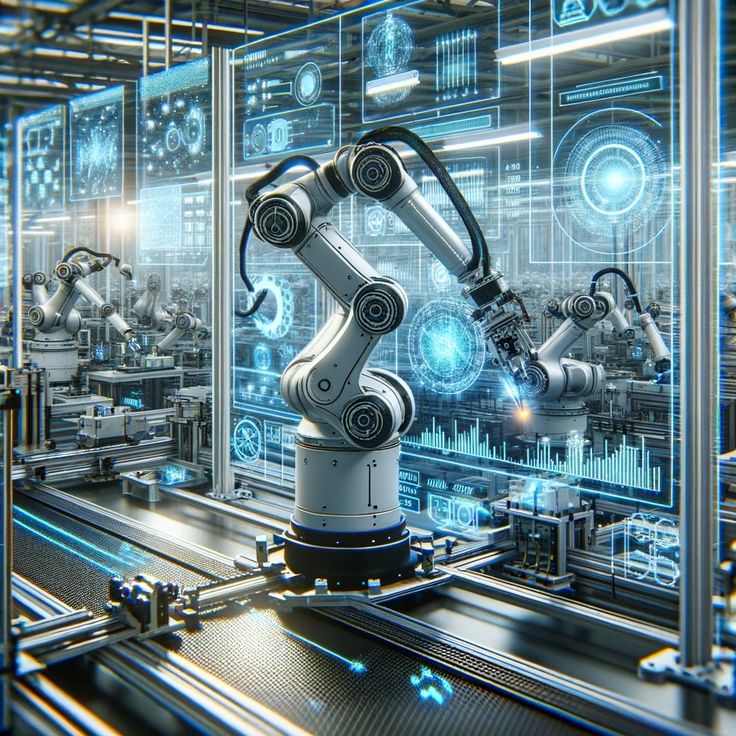
In today’s technology-driven world, robotics has evolved from being a futuristic concept to an essential part of modern life. From industrial automation to healthcare and even space exploration, robots are transforming the way humans work and live. As a result, robotics engineering has become one of the most sought-after fields for aspiring engineers. But the question remains—is robotics a good branch of engineering? Let’s explore what makes this field so exciting and whether it’s the right choice for you.


1. What Is Robotics Engineering?

Robotics engineering is an interdisciplinary branch that combines mechanical engineering, electrical engineering, computer science, and artificial intelligence. A robotics engineer designs, builds, programs, and maintains robots that can perform tasks autonomously or with minimal human input. These machines can be used in manufacturing, medicine, defense, research, and even household automation.


2. Why Robotics Is a Good Branch of Engineering

There are several reasons why robotics is considered one of the most promising and rewarding fields today:

a) High Demand Across Industries

Automation is revolutionizing almost every sector. Industries like automotive manufacturing, logistics, defense, agriculture, and healthcare are increasingly relying on robotics to enhance efficiency and safety. This growing demand ensures plenty of career opportunities for skilled robotics engineers.

b) Excellent Career Growth

According to global trends, the robotics industry is expanding rapidly, driven by advancements in AI, machine learning, and IoT. As technology continues to evolve, robotics engineers are expected to be among the top-paid professionals in the engineering sector.

c) Creativity and Innovation

Robotics allows engineers to innovate and experiment. You’ll be working on cutting-edge technologies such as humanoid robots, autonomous drones, surgical robots, and smart manufacturing systems. This makes it a perfect career for those who love to solve complex problems creatively.

d) Contribution to Society

Robotics is not just about machines—it’s about making life easier and safer. Robots assist in surgeries, disaster management, space missions, and elderly care. Working in robotics gives you the satisfaction of contributing to technological solutions that benefit humanity.


3. Educational Path for Robotics Engineers

To become a robotics engineer, you typically need a bachelor’s degree in:

  • Robotics Engineering

  • Mechanical Engineering

  • Electrical or Electronics Engineering

  • Mechatronics

  • Computer Science

You can also pursue a master’s degree or specialized certification courses in robotics, AI, or automation to deepen your knowledge.

Subjects covered usually include:

  • Control systems

  • Microprocessors and sensors

  • Computer vision

  • Artificial intelligence

  • Embedded systems

  • Robot kinematics and dynamics


4. Essential Skills Required

A successful robotics engineer should have:

  • Programming skills (Python, C++, or MATLAB)

  • Knowledge of electronics and circuit design

  • Understanding of AI and machine learning

  • Mechanical design and CAD software proficiency

  • Problem-solving and analytical thinking

These technical and analytical skills enable engineers to build reliable, intelligent, and efficient robotic systems.


5. Career Opportunities in Robotics

The field of robotics offers diverse career options, including:

  • Robotics Engineer

  • Automation Engineer

  • AI and Machine Learning Engineer

  • Embedded Systems Developer

  • Research Scientist

  • Robotics Technician

Top companies hiring robotics engineers include Boston Dynamics, Tesla, ABB, ISRO, NASA, and Siemens, among others.


6. Challenges in Robotics Engineering

While robotics is a promising field, it also presents challenges:

  • The technology evolves rapidly, requiring continuous learning.

  • High initial learning curve due to its interdisciplinary nature.

  • Projects can be expensive and time-consuming.

However, these challenges also make the field exciting and rewarding for those passionate about innovation.


Conclusion

Yes, robotics is definitely a good branch of engineering—and one of the most futuristic ones. It offers strong career growth, high demand, and opportunities to work on groundbreaking technologies that shape the future. If you enjoy combining creativity with technology and problem-solving, robotics could be your path to an exciting and impactful career.

What Qualifications Are Needed to Become a Drone Engineer?

In recent years, drones have become one of the most exciting innovations in technology, finding applications across industries — from agriculture and logistics to defense and filmmaking. Behind these powerful flying machines are skilled drone engineers, who design, build, and maintain drones for specific purposes. If you’re fascinated by robotics, aerodynamics, and electronics, a career as a drone engineer could be ideal. But what qualifications do you actually need to enter this field? Let’s find out.


1. Educational Qualifications

To become a drone engineer, you’ll need a strong foundation in science, mathematics, and engineering. Here are the most common educational paths:

  • Bachelor’s Degree: A degree in one of the following disciplines is typically required:

    • Aerospace Engineering

    • Mechanical Engineering

    • Electrical or Electronics Engineering

    • Robotics Engineering

    • Computer Science or Mechatronics

    These programs cover essential topics like aerodynamics, propulsion systems, circuit design, control systems, and programming—all crucial for designing and maintaining drones.

  • Diploma or Certification Courses: For those who prefer a shorter route, various institutes offer diploma programs or specialized certifications in drone technology, UAV (Unmanned Aerial Vehicle) design, and drone piloting. These are ideal for gaining practical knowledge quickly.


2. Technical Skills

Drone engineering requires a blend of multiple technical skills, including:

  • CAD and Simulation Tools: Knowledge of software like AutoCAD, SolidWorks, and MATLAB helps in designing and testing drone models.

  • Programming: Familiarity with programming languages such as Python, C++, or Arduino is essential for drone control systems and automation.

  • Electronics and Embedded Systems: Understanding microcontrollers, sensors, GPS, and wireless communication modules is critical.

  • Aerodynamics and Propulsion Systems: Drone engineers must know how air flow, lift, and propulsion systems affect flight performance.

  • AI and Machine Learning (Optional but Advantageous): As drones become smarter, engineers who can integrate AI for navigation and object detection are in high demand.


3. Licensing and Certification

In addition to academic qualifications, many countries require drone engineers or operators to obtain certifications or licenses:

  • Drone Pilot License (for those who also want to test or operate drones).

  • DGCA Certification (in India) for commercial drone operations.

  • FAA Part 107 License (in the U.S.) for flying drones professionally.

These certifications ensure that engineers understand safety regulations, airspace restrictions, and operational protocols.


4. Practical Experience

Hands-on experience is one of the most important aspects of becoming a drone engineer. You can gain this through:

  • Internships or research projects in robotics, aerospace, or defense organizations.

  • Personal drone projects where you build or program drones yourself.

  • Workshops and competitions that focus on UAV design, flight simulation, or drone racing.

Employers value candidates who can demonstrate real-world experience beyond classroom learning.


5. Soft Skills

Besides technical expertise, drone engineers also need:

  • Problem-solving and analytical thinking for troubleshooting design or flight issues.

  • Creativity to develop innovative drone designs.

  • Attention to detail to ensure safety and precision.

  • Teamwork and communication skills, especially when collaborating with programmers, pilots, or clients.


Conclusion

Becoming a drone engineer requires a solid educational foundation in engineering, hands-on experience with hardware and software, and a keen interest in aerial technology. As industries increasingly adopt drone applications, the demand for skilled engineers continues to rise. Whether you aim to work in defense, agriculture, delivery services, or cinematography, building your qualifications in drone technology can open the door to an exciting and futuristic career.

What Are Diverse Uses for Virtual Reality and Augmented Reality?

Virtual Reality (VR) and Augmented Reality (AR) have moved beyond gaming and entertainment to revolutionize industries across the globe. These immersive technologies are reshaping how we learn, work, shop, and even receive healthcare. Let’s explore some of the most diverse and impactful uses of VR and AR in today’s world.


1. Education and Training

VR and AR are transforming the education sector by making learning more interactive and engaging. Students can take virtual field trips to historical sites, explore the human body in 3D, or practice science experiments safely in a virtual lab.
In professional training, VR simulations help prepare workers for real-world challenges — such as pilots practicing flight maneuvers or surgeons performing virtual operations before actual procedures. This enhances both confidence and safety.


2. Healthcare and Therapy

In healthcare, VR is used for medical simulations, pain management, and mental health therapy. Patients with phobias, PTSD, or anxiety can undergo virtual therapy sessions that simulate controlled environments.
AR, on the other hand, assists surgeons by overlaying digital information during operations, improving precision and reducing errors. It also helps in patient education by visually demonstrating complex procedures.


3. Real Estate and Architecture

Before a single brick is laid, VR enables architects and clients to virtually walk through buildings. This immersive experience helps identify design issues early and enhances collaboration.
AR applications allow buyers to visualize how furniture, colors, or fixtures would look in their homes before making purchases, bringing convenience and confidence to decision-making.


4. Retail and E-commerce

AR is changing the way people shop. Customers can try on clothes, glasses, or makeup virtually through AR apps — no fitting room required.
Retailers use AR to create interactive catalogs or product demos, helping consumers visualize how products fit into their lives. This not only enhances the shopping experience but also boosts sales and reduces returns.


5. Gaming and Entertainment

One of the most well-known uses of VR and AR is in gaming and entertainment. VR headsets transport players into entirely new worlds, providing an unmatched level of immersion.
AR games like Pokémon GO blend digital elements with real-world surroundings, creating engaging and social experiences. In entertainment, VR concerts, museums, and movie experiences are bringing creativity to life in new dimensions.


6. Manufacturing and Engineering

AR and VR play a major role in design visualization, prototyping, and maintenance. Engineers can simulate product designs in VR to test performance before production, saving time and cost.
AR tools also guide workers through complex assembly or repair tasks by overlaying instructions directly onto equipment, reducing human error and increasing efficiency.


7. Tourism and Travel

AR and VR are revolutionizing how we explore destinations. Virtual tours allow travelers to preview locations before booking, while AR-enhanced guides bring historical landmarks to life with interactive information.
Museums and heritage sites are using AR apps to recreate ancient scenes or show artifacts in their original form, offering visitors a richer experience.


8. Military and Defense

The military uses VR and AR for realistic combat training, vehicle simulation, and mission planning. Soldiers can train in lifelike scenarios without physical risk, improving preparedness.
AR aids soldiers in the field by displaying navigation routes, target locations, or equipment data directly in their line of sight.


9. Automotive Industry

Car manufacturers use VR to design and test new models, while AR assists mechanics with repair instructions displayed on parts.
Customers can also use AR apps to visualize vehicles in their driveway or explore car interiors virtually, enhancing the buying experience.


Conclusion

Virtual Reality and Augmented Reality are no longer futuristic concepts — they are powerful tools transforming industries and daily life. From education to healthcare and entertainment to engineering, their diverse applications continue to expand, unlocking creativity, efficiency, and innovation.

Why Do People Want to Be a Fashion Designer?

Fashion design is one of the most glamorous and creative careers in the world. From sketching unique clothing ideas to showcasing them on international runways, fashion designers shape the way we express ourselves through style. But what exactly draws people to this exciting profession? Let’s explore the main reasons why so many are passionate about becoming fashion designers.


1. A Deep Love for Creativity and Art

At its core, fashion design is a form of art. People who become fashion designers often have a strong passion for creativity, colors, textures, and patterns. Designing clothes allows them to bring their artistic visions to life and share their imagination with the world.

Every outfit becomes a canvas of self-expression, letting designers turn ideas into tangible works of wearable art.


2. The Desire to Set Trends

Fashion designers are innovators. They’re the ones who define what’s “in” and what’s “out.” Many aspiring designers are driven by the excitement of influencing global fashion trends and being the creative minds behind what millions of people wear.

For some, the thrill of seeing their designs showcased on models, in stores, or online is an unmatched motivation.


3. Passion for Personal Expression

Fashion is personal—it’s how people express identity, mood, and culture. Becoming a fashion designer gives individuals a chance to tell stories through clothing. Whether inspired by nature, culture, or social causes, each design can reflect the designer’s personality and worldview.

This freedom to express oneself through style makes fashion design deeply fulfilling.


4. The Glamour and Prestige

The fashion world is often associated with luxury, fame, and prestige. Many people are drawn to the glamorous side of fashion—attending shows, collaborating with celebrities, or being featured in fashion magazines.

Although it’s not all glitz and glam, the public recognition and creative spotlight make fashion design an attractive career choice for many.


5. Global Opportunities

Fashion is a global industry. From Paris to Milan, New York to Mumbai, opportunities exist worldwide for talented designers. Fashion designers can work for international brands, start their own labels, or collaborate with creative teams across borders.

This global exposure allows them to experience different cultures and expand their creative horizons.


6. The Ability to Make an Impact

Fashion designers don’t just create clothes—they create change. Sustainable fashion, ethical production, and inclusive designs are transforming the industry. Many designers enter this field to make a positive impact, promoting eco-friendly practices and empowering diverse communities through their work.

Designers like Stella McCartney and Sabyasachi Mukherjee have proven that fashion can be both beautiful and responsible.


7. Entrepreneurial Freedom

For many, fashion design offers the dream of starting their own brand. Designers can build businesses that reflect their creative vision and values. The ability to work independently, manage your own label, and bring your ideas to life gives a sense of ownership and freedom that few careers can match.


8. The Joy of Seeing People Wear Your Creations

Perhaps one of the most rewarding feelings for any fashion designer is seeing someone wear their design with confidence and pride. Knowing that your creativity has added joy or style to someone’s life is incredibly motivating.

It’s proof that your work has meaning—and that your art is making an impact in everyday life.


Final Thoughts

People want to be fashion designers because it’s a career that combines creativity, passion, and influence. It’s not just about clothes—it’s about telling stories, shaping trends, and inspiring confidence through design.

What Skills Must a Graphic Designer Have?

Graphic design is more than just creating attractive visuals—it’s about communicating ideas, building brand identity, and evoking emotions through design. Whether designing logos, social media posts, or marketing materials, a graphic designer must blend creativity with technical expertise. But what does it really take to succeed in this creative field? Let’s explore the essential skills every graphic designer must have.


1. Creativity and Imagination

At the heart of graphic design lies creativity. Designers must think outside the box to create unique, eye-catching visuals that stand out. Whether designing a minimalist logo or a vibrant poster, creativity helps you express messages in fresh and engaging ways.

Tip: Keep exploring design trends, art styles, and visual inspirations to continually boost your creative thinking.


2. Typography Skills

Typography—the art of arranging text—is a key aspect of graphic design. Knowing how to choose the right fonts, sizes, and spacing can make a design more readable and visually appealing. A good designer understands how typography influences mood, tone, and brand perception.

Example: A luxury brand might use elegant serif fonts, while a tech company might prefer clean sans-serif styles.


3. Knowledge of Design Software

Technical proficiency is essential for any graphic designer. You must be skilled in using popular design tools such as:

  • Adobe Photoshop – for image editing and manipulation

  • Adobe Illustrator – for vector-based designs like logos and illustrations

  • Adobe InDesign – for print layouts like magazines and brochures

  • Figma or Canva – for web graphics and collaborative designs

Staying up to date with the latest tools can make your work faster, smoother, and more professional.


4. Understanding of Color Theory

Colors play a powerful role in design—they can influence emotions and brand identity. A skilled designer knows how to use color combinations effectively to convey messages and maintain visual harmony.

Example: Blue often represents trust, while red evokes excitement or urgency. Knowing how to balance colors ensures your designs communicate the right message.


5. Communication Skills

Graphic designers work with clients, marketing teams, and other creatives. Strong communication skills are necessary to understand client needs, present ideas clearly, and receive feedback effectively.

Design isn’t just about visuals—it’s also about collaboration and understanding the story behind the project.


6. Attention to Detail

Even small mistakes in spacing, alignment, or color consistency can make a big difference. Great designers pay close attention to every detail to ensure their work looks polished and professional.

Tip: Always double-check your designs for errors before sending them for approval or publishing.


7. Time Management

Designers often juggle multiple projects with tight deadlines. Managing your time well helps you stay organized and deliver quality work on schedule. Prioritizing tasks and setting realistic goals are key to handling workload efficiently.


8. Knowledge of Branding and Marketing

A good graphic designer understands how visuals influence branding and marketing. Knowing how to create designs that reflect a brand’s personality and appeal to its target audience can make your work more impactful and relevant.

Example: Consistent use of colors, fonts, and imagery helps build brand recognition across different platforms.


9. Adaptability and Continuous Learning

Design trends and tools evolve rapidly. Successful designers stay curious, keep learning, and adapt to new technologies, software updates, and creative styles.

Joining design communities, attending workshops, and following industry leaders can help you stay ahead of the curve.


10. Problem-Solving Skills

Every design challenge is a puzzle—how to convey a message clearly, fit content effectively, or balance creativity with practicality. Strong problem-solving skills help you find innovative solutions while meeting client goals.


Final Thoughts

Being a successful graphic designer requires more than artistic talent—it’s a balance of creativity, technical skill, and strategic thinking. By mastering these essential skills, you can craft designs that not only look stunning but also communicate meaning and build connections.

What Do UI and UX Designers Do?

In the digital age, where websites and mobile apps dominate every industry, UI (User Interface) and UX (User Experience) designers play a vital role in shaping how users interact with digital products. Their work goes far beyond aesthetics—it’s about creating experiences that are intuitive, engaging, and efficient. But what exactly do UI and UX designers do? Let’s break it down.


Understanding the Difference Between UI and UX

Before diving into their roles, it’s important to understand the distinction between the two:

  • UX Design (User Experience Design) focuses on the overall feel of the experience. UX designers ensure that a product is easy to use, accessible, and meets user needs effectively.

  • UI Design (User Interface Design) focuses on the look and interactivity of the product. UI designers work on the layout, color schemes, typography, buttons, and other visual elements that users interact with.

In simple terms, UX design is about how it works, while UI design is about how it looks.


What Do UX Designers Do?

A UX designer’s job starts long before any visuals are created. They focus on understanding user behavior and designing a seamless experience. Their main responsibilities include:

  1. Researching User Needs:
    UX designers conduct surveys, interviews, and usability tests to understand what users want and how they behave.

  2. Creating User Personas:
    They develop fictional characters representing target users to guide design decisions.

  3. Designing Wireframes and Prototypes:
    UX designers build wireframes (blueprints) and interactive prototypes to visualize the structure and flow of the product.

  4. Testing and Improving:
    They perform usability testing to identify pain points and refine the experience based on real feedback.

  5. Collaborating with Teams:
    UX designers work closely with developers, UI designers, and product managers to ensure the final product meets user expectations.

Goal: To make the product useful, efficient, and enjoyable to use.


What Do UI Designers Do?

Once the UX framework is in place, UI designers step in to bring it to life visually. Their work focuses on creating interfaces that are not only beautiful but also consistent and functional. Key tasks include:

  1. Designing the Visual Layout:
    UI designers decide how elements like buttons, icons, menus, and text should look and be arranged.

  2. Choosing Colors and Typography:
    They select a color palette and fonts that align with the brand’s identity and enhance readability.

  3. Ensuring Consistency:
    UI designers create design systems or style guides to maintain uniformity across all pages and platforms.

  4. Prototyping and Animation:
    They use tools like Figma, Adobe XD, or Sketch to design interactive prototypes and animations that make the interface more engaging.

  5. Collaborating with Developers:
    UI designers provide detailed design specifications so developers can accurately implement their vision.

Goal: To make the product visually appealing and easy to navigate.


How UI and UX Designers Work Together

UI and UX design are deeply interconnected. A great user experience can’t exist without an intuitive interface, and a visually stunning interface won’t succeed if it’s hard to use.

Here’s how they collaborate:

  • UX designers map out the structure and flow.

  • UI designers apply visuals and interactivity.

  • Together, they test, refine, and ensure the product delights users.

Their teamwork ensures that the final product is not only beautiful but also functional.


Skills Every UI/UX Designer Needs

Both roles require a mix of creative, analytical, and technical skills:

  • User research and empathy

  • Wireframing and prototyping

  • Visual design principles

  • Interaction design

  • Usability testing

  • Familiarity with tools like Figma, Adobe XD, or Sketch

  • Strong communication and collaboration abilities


Final Thoughts

UI and UX designers are the architects behind every smooth, engaging digital experience you encounter. Whether it’s a website, app, or software platform, their combined efforts ensure users not only see something beautiful but also feel something meaningful while using it.

Can a Non-Medical Student Do Medical Coding

Medical coding has emerged as a rewarding career option in the healthcare industry, especially with the global rise in electronic health records and insurance documentation. But one question often arises among students and professionals from non-medical backgrounds: “Can I pursue medical coding without a medical degree?” The answer is a confident yes—you absolutely can!

Let’s explore how and why non-medical students can successfully build a career in medical coding.


1. Understanding What Medical Coding Is

Medical coding involves converting healthcare procedures, diagnoses, and services into standardized codes. These codes are used for billing, insurance claims, and maintaining patient records.
To perform this job effectively, you need to understand medical terminology, anatomy, physiology, and healthcare procedures—but you don’t need a medical degree.
With the right training, anyone with a logical mind and attention to detail can learn and excel in medical coding.


2. Skills That Matter More Than a Medical Background

While medical graduates may find it easier to understand the terminology initially, non-medical students can easily catch up with proper training.
Here are some of the key skills you’ll need:

  • Analytical ability: To accurately interpret patient records and assign correct codes.

  • Attention to detail: To avoid errors in billing or documentation.

  • Computer proficiency: Since coding work is done using specialized software.

  • Good English comprehension: As most medical records are in English.

  • Persistence and curiosity: To continuously learn updates in medical codes and standards.

These skills can be developed through a structured course, making a medical background optional.


3. Training and Certification Options for Non-Medical Students

Numerous institutions offer medical coding certification courses designed for beginners, including those without a science or healthcare background.
Courses typically cover:

  • Human anatomy and physiology

  • Medical terminology

  • ICD-10, CPT, and HCPCS coding systems

  • Healthcare documentation and compliance

  • Billing and reimbursement processes

After completing training, you can pursue global certifications such as:

  • CPC (Certified Professional Coder) – by AAPC

  • CCA (Certified Coding Associate) – by AHIMA

These certifications validate your skills and improve your job prospects both in India and abroad.


4. Career Opportunities After a Medical Coding Course

Non-medical students who complete medical coding training can work in various roles, such as:

  • Medical coder

  • Health information technician

  • Billing specialist

  • Claims analyst

  • Compliance officer

You can find opportunities in hospitals, healthcare outsourcing companies, insurance firms, and even remote positions for global healthcare providers.


5. Why Medical Coding Is a Great Choice for Non-Medical Students

Here are some reasons why this career is especially appealing to students from other fields:

  • No direct patient contact: The job is more administrative and analytical.

  • Short-term training: Most courses can be completed in 3–6 months.

  • High demand: The healthcare industry is growing rapidly, creating steady job opportunities.

  • Good salary growth: Certified and experienced coders earn competitive salaries, especially in outsourcing firms.

  • Remote work options: Many coding jobs allow you to work from home.


6. How to Get Started

If you’re a non-medical student aspiring to enter this field, here’s a quick roadmap:

  1. Enroll in a recognized medical coding training program.

  2. Focus on learning medical terminology and anatomy.

  3. Practice coding using real-world case studies and mock tests.

  4. Prepare for an international certification exam (like CPC).

  5. Apply for entry-level coding jobs or internships to gain experience.

With consistent effort, you can become proficient and grow your career in healthcare data management—even without a medical background.


Conclusion

Being from a non-medical background doesn’t limit your opportunities in the field of medical coding. With proper training, certification, and dedication, anyone—from commerce, arts, or engineering—can enter this field and thrive.

What Is the Psychology of People Who Talk Too Much?

Talking is one of the most natural forms of human communication. It helps us connect, share ideas, and express emotions. However, some people seem to talk a little too much—dominating conversations, interrupting others, or speaking without pause. Have you ever wondered what drives such behavior? Understanding the psychology of people who talk too much reveals fascinating insights into personality, emotions, and social dynamics.


1. The Need for Attention and Validation

One of the most common psychological reasons people talk excessively is the desire for attention. Some individuals crave validation and reassurance from others, which they try to gain through constant talking.
By dominating conversations, they feel noticed, appreciated, and valued—especially if they believe that silence might make them invisible. This behavior is often linked to low self-esteem or insecurity.


2. Overcompensation for Anxiety or Nervousness

Talking too much can also be a coping mechanism for social anxiety or nervousness. In uncomfortable situations, some people overtalk to fill silences or avoid awkward pauses.
Their continuous chatter acts as a shield, protecting them from potential judgment or rejection. Ironically, this behavior can sometimes have the opposite effect, making interactions more strained.


3. Personality Traits and Temperament

Certain personality types are naturally more talkative. Extroverts, for instance, feel energized by social interactions and may express themselves freely without much restraint.
In contrast, introverts might find such behavior overwhelming. Understanding these differences helps us see that excessive talking isn’t always negative—it can be a reflection of openness, enthusiasm, or strong social energy.


4. The Influence of Narcissism

In some cases, over-talking stems from narcissistic tendencies. People with these traits often believe their opinions or experiences are more interesting or important than others’.
They may interrupt or dismiss other viewpoints, seeing conversations as stages for self-promotion rather than mutual exchange. This behavior often leaves listeners feeling unheard or undervalued.


5. Emotional Excitement or Hyperactivity

For some individuals, excessive talking is tied to emotional excitement or hyperactive energy. When someone is passionate or overstimulated, they may speak rapidly and continuously.
In certain psychological conditions—such as ADHD or hypomania—fast and abundant speech can be a symptom of elevated energy levels and racing thoughts.


6. Lack of Social Awareness

Some people simply lack awareness of how their behavior affects others. They may not realize they are monopolizing conversations or preventing others from speaking.
This often happens in individuals who struggle with empathy or social cues, such as those on the autism spectrum or with poor interpersonal training. With gentle feedback and self-reflection, this behavior can often be improved.


7. Loneliness and Emotional Need

People who feel lonely or isolated may talk excessively when they finally get the chance to interact. For them, talking is not about dominating—it’s about connecting.
Their words may pour out as a release of pent-up emotions and unexpressed thoughts, highlighting a deep need for companionship and understanding.


Conclusion

The psychology behind people who talk too much is complex and varies from person to person. It can stem from insecurity, excitement, anxiety, or even a simple love for conversation.
Understanding these underlying motivations helps us respond with empathy rather than irritation. Whether it’s setting healthy boundaries or offering patient listening, a little understanding can turn endless chatter into meaningful communication.

How Can We Prevent the Development of Dangerous Nanotechnology?

Nanotechnology has revolutionized modern science, offering groundbreaking advancements in medicine, electronics, energy, and environmental sustainability. However, like any powerful technology, nanotech carries potential risks if misused or developed without proper oversight. The concern about dangerous nanotechnology—from self-replicating nanobots to toxic nanoparticles—has prompted scientists and policymakers to consider ethical, legal, and safety measures to prevent harm.

Here’s how we can ensure nanotechnology remains a force for good rather than a threat to humanity.


1. Establishing Strict Regulatory Frameworks

Governments around the world need to create clear and enforceable laws to monitor nanotechnology research and applications. Regulations should include safety testing standards, environmental impact assessments, and restrictions on the use of potentially hazardous nanomaterials.
International cooperation—similar to treaties for nuclear energy or chemical weapons—could help prevent the misuse of nanotech on a global scale.


2. Promoting Ethical Research and Transparency

Ethical guidelines must be embedded into nanotech research. Scientists should follow strict protocols for safety, testing, and data sharing. Transparency in publishing results allows the scientific community to identify potential risks early on and collectively address them.
Establishing independent review boards can also ensure that nanotech projects adhere to ethical and environmental standards.


3. Encouraging Responsible Innovation

Industries and research institutions should adopt the principle of “responsible innovation.” This means thinking ahead about how new nanotechnologies might impact health, society, and the environment.
For example, before developing nanoparticles for use in food or cosmetics, manufacturers should study their long-term biological effects to avoid unintended harm.


4. Monitoring Environmental and Health Impacts

Nanoparticles, if released into the environment, can accumulate in soil, water, or living organisms. Continuous monitoring and advanced detection technologies can help track nanomaterial behavior and prevent pollution or bioaccumulation.
Research on biodegradability and safe disposal methods can also minimize risks associated with nanowaste.


5. Educating the Public and Policymakers

Raising awareness about nanotechnology is crucial for both the public and decision-makers. When citizens understand the benefits and risks, they can demand stronger safety regulations.
Similarly, policymakers with a solid understanding of nanoscience can make informed decisions to balance innovation with safety.


6. Preventing Weaponization and Misuse

One of the biggest fears surrounding nanotechnology is its potential use in creating advanced weapons or surveillance tools. Preventing such misuse requires international agreements, intelligence cooperation, and technological safeguards that limit access to dangerous research data or materials.


7. Encouraging Global Collaboration

Nanotechnology development doesn’t stop at national borders. Global collaboration among researchers, governments, and organizations ensures that the same safety standards and ethical rules apply worldwide. Shared databases and monitoring systems can detect early warning signs of misuse or unsafe practices.


Conclusion

Nanotechnology holds incredible promise—but without responsible governance, it could become dangerous. By enforcing strict regulations, promoting ethical research, and encouraging global cooperation, we can harness nanotechnology’s benefits while minimizing risks.
The goal is not to stop progress, but to ensure that progress serves humanity safely, sustainably, and ethically.

Why Is Corporate Law Important?

Corporate law plays a fundamental role in shaping how businesses operate, grow, and interact within society. It provides the legal framework that governs corporations — ensuring fairness, accountability, and transparency. Whether it’s forming a startup, merging companies, or protecting shareholder interests, corporate law keeps the business world organized and ethical. Let’s explore why corporate law is so important in today’s global economy.


1. Provides a Legal Framework for Businesses

Corporate law establishes the foundation upon which companies are created and run. It defines how a business can be formed, who owns it, and how it should be managed.
From registering a company to drafting shareholder agreements, corporate law provides the structure businesses need to operate legally and efficiently. Without it, companies would lack the guidelines necessary to function smoothly and resolve disputes.


2. Protects Shareholders and Investors

One of the most crucial roles of corporate law is protecting the rights of shareholders and investors. It ensures that company management acts in the best interest of its owners.
For example:

  • Corporate law regulates how dividends are distributed.

  • It prevents fraud and misuse of company funds.

  • It ensures transparency in company operations and decision-making.

By building trust between investors and corporations, corporate law promotes healthy investment and economic growth.


3. Ensures Fair Business Practices

Corporate law helps maintain fairness and ethics in business operations. It enforces compliance with regulations related to labor laws, environmental protection, and consumer rights.
Without such legal safeguards, companies might engage in unethical or exploitative practices that harm employees, customers, or the environment. Corporate law thus helps create a fair and sustainable marketplace.


4. Regulates Mergers and Acquisitions (M&A)

Mergers, acquisitions, and restructuring are major corporate activities that require careful legal oversight. Corporate law governs these transactions to ensure they are conducted ethically and transparently.
It helps:

  • Protect shareholders during ownership changes.

  • Prevent monopolies and unfair competition.

  • Ensure compliance with antitrust and competition laws.

This legal regulation encourages fair competition and market stability.


5. Defines the Roles and Responsibilities of Management

Corporate law clearly outlines the duties of company directors, managers, and officers. This accountability ensures that leadership decisions align with the company’s goals and legal obligations.
For instance, directors must act in good faith and prioritize the company’s interests over personal gain. This minimizes corruption and promotes ethical governance.


6. Prevents and Resolves Disputes

Disputes are inevitable in business — between shareholders, partners, or competitors. Corporate law provides structured methods to resolve conflicts, whether through mediation, arbitration, or litigation.
A clear legal process not only saves time and resources but also helps maintain the company’s reputation.


7. Encourages Economic Stability and Growth

Strong corporate laws foster a stable business environment that attracts both domestic and international investment. Investors prefer to fund companies operating in countries with transparent and enforceable legal systems.
This confidence stimulates entrepreneurship, job creation, and overall economic development.


8. Promotes Corporate Social Responsibility (CSR)

Modern corporate law emphasizes ethical behavior and social accountability. Many countries require companies to contribute to social and environmental causes through CSR initiatives.
By encouraging sustainable practices, corporate law ensures that businesses not only pursue profit but also contribute positively to society.


9. Protects Intellectual Property (IP)

In today’s innovation-driven world, intellectual property is one of a company’s most valuable assets. Corporate law safeguards trademarks, patents, and copyrights — ensuring that businesses can profit from their creativity and innovation without fear of theft or misuse.


10. Builds Public Trust and Reputation

Ultimately, corporate law enhances a company’s credibility. Businesses that comply with legal standards and ethical principles gain public trust, attract investors, and strengthen their market reputation.
A good reputation built on legal compliance and transparency can become a company’s most powerful asset.


Conclusion

Corporate law is more than just a set of rules — it’s the backbone of ethical and successful business operations. By defining rights, ensuring accountability, and promoting fair practices, it protects all stakeholders and supports economic growth. In a world driven by commerce and competition, corporate law ensures that progress remains both profitable and principled.

Form submitted! Our team will reach out to you soon.
0
    0
    Your Cart
    Your cart is emptyReturn to Course