Robotics and IoT: Where Do I Start?

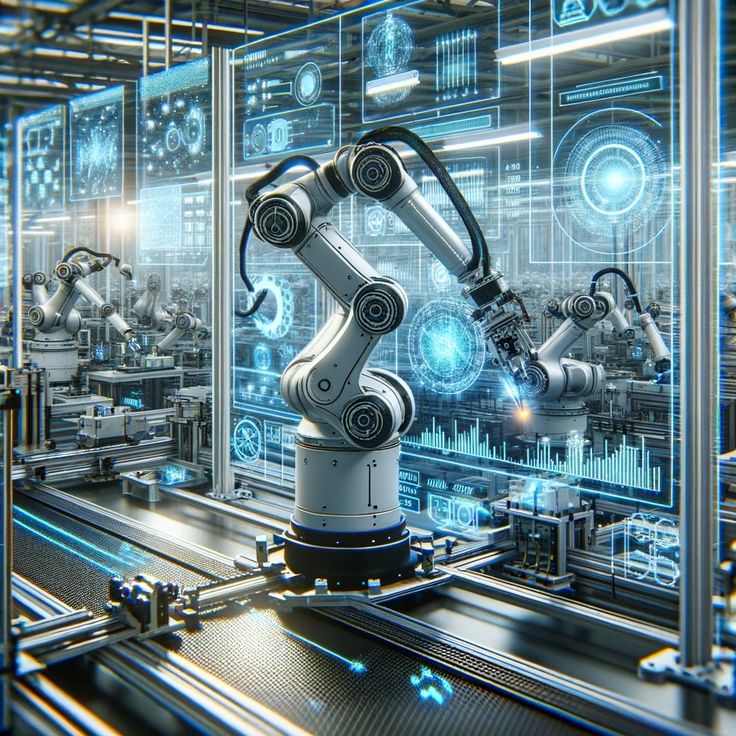
In today’s fast-paced world, Robotics and the Internet of Things (IoT) are revolutionizing industries, homes, and even our daily lives. From smart assistants and autonomous drones to connected factories and wearable health devices, these two fields are at the core of modern innovation. If you’re fascinated by these technologies but don’t know where to begin, this blog will guide you through the essentials and show you how to start your journey in Robotics and IoT.


Understanding the Basics

Before diving in, it’s important to understand what each field represents:

  • Robotics focuses on designing, building, and programming machines (robots) that can perform tasks autonomously or semi-autonomously.

  • IoT (Internet of Things) connects everyday devices to the internet, allowing them to collect, share, and act on data intelligently.

When combined, Robotics and IoT create “smart robots” — systems that can sense their environment, communicate in real-time, and make decisions independently.


Step 1: Learn the Fundamentals of Electronics

Both Robotics and IoT heavily rely on electronic components. Start by understanding:

  • Sensors and actuators

  • Microcontrollers (like Arduino, Raspberry Pi, or ESP32)

  • Circuit design and basic wiring
    You can easily learn these through online tutorials or beginner electronics kits.


Step 2: Master a Programming Language

Programming brings your projects to life. For beginners:

  • Python – Easy to learn, and widely used in both robotics and IoT.

  • C/C++ – Essential for microcontroller programming.

  • JavaScript – Useful for web-based IoT dashboards.

Try simple projects like blinking an LED or reading sensor data to build confidence.


Step 3: Explore Hardware Platforms

Start experimenting with affordable development boards:

  • Arduino: Best for beginners; great for controlling sensors and motors.

  • Raspberry Pi: Offers more power for advanced projects, including AI-based robotics.

  • ESP8266/ESP32: Excellent for Wi-Fi-enabled IoT projects.

These platforms come with vast online communities and tutorials to support your learning.


Step 4: Learn Communication Protocols

IoT systems rely on communication between devices. Learn about:

  • Wi-Fi, Bluetooth, Zigbee, and LoRa

  • MQTT and HTTP (for cloud communication)

  • REST APIs for device interaction

Understanding these will help you create connected robots that send and receive data.


Step 5: Work on Real Projects

Apply what you learn through hands-on projects:

  • Build a line-following robot

  • Create a home automation system

  • Develop a smart irrigation setup
    These projects not only strengthen your skills but also make your portfolio stand out.


Step 6: Learn About Cloud and Data Integration

Modern IoT systems use cloud platforms to analyze data. Start with:

  • Google Cloud IoT, AWS IoT, or ThingSpeak

  • Basics of data visualization and analytics
    This will help you create projects that can scale and connect globally.


Step 7: Join a Community and Keep Learning

The Robotics and IoT fields evolve constantly. Stay connected by:

  • Joining forums like Reddit, Stack Overflow, or Arduino Community

  • Taking online courses (Coursera, Udemy, or edX)

  • Participating in hackathons or maker fairs

Collaboration and sharing knowledge will accelerate your learning journey.


Conclusion

Starting with Robotics and IoT might seem overwhelming at first, but with curiosity, patience, and consistent practice, you’ll quickly grasp the fundamentals. Begin small—learn the basics of electronics, coding, and sensors—then gradually build more complex projects. Over time, you’ll not only understand how these systems work but also gain the skills to innovate and create your own smart solutions.
How Can Machine Learning Help Humanity in the Future?

Machine Learning (ML), a key branch of Artificial Intelligence (AI), is already transforming our world—and its potential to help humanity in the future is limitless. From revolutionizing healthcare to combating climate change, ML can address some of the biggest challenges we face today and tomorrow. Let’s explore how machine learning could make the world a better, smarter, and more sustainable place.


1. Revolutionizing Healthcare

One of the most promising applications of machine learning is in healthcare. ML algorithms can analyze vast amounts of medical data to detect diseases earlier, suggest personalized treatments, and even predict potential outbreaks.

  • Early Diagnosis: ML models can identify diseases such as cancer, diabetes, or heart conditions before symptoms appear, improving survival rates.

  • Drug Discovery: AI-driven simulations can reduce the time and cost needed to develop new medicines.

  • Personalized Healthcare: Machine learning can tailor treatments based on individual genetic makeup, lifestyle, and medical history.

In the near future, we could see ML-powered systems assisting doctors in every step of patient care—from diagnosis to rehabilitation.


2. Combating Climate Change

Climate change is one of humanity’s greatest threats, but machine learning can play a key role in mitigating its effects.

  • Predictive Climate Models: ML algorithms can analyze environmental data to forecast extreme weather and help policymakers plan better.

  • Energy Optimization: Smart grids powered by ML can balance energy supply and demand efficiently, reducing waste.

  • Environmental Monitoring: Machine learning helps track deforestation, ocean pollution, and wildlife extinction using satellite imagery.

By helping scientists understand climate patterns and optimize resource use, ML could support global sustainability efforts.


3. Enhancing Education

Education is another area where machine learning promises a bright future.

  • Personalized Learning: ML can analyze student performance and adapt lessons to suit individual learning styles.

  • Automated Grading: Teachers can save time with AI systems that assess essays, assignments, and tests quickly and fairly.

  • Predictive Analytics: Schools can identify students who may need extra help, improving academic success rates.

In the future, ML could make education more accessible and inclusive by removing barriers for students around the world.


4. Improving Transportation and Safety

Machine learning is a key technology behind autonomous vehicles and smart transportation systems.

  • Self-Driving Cars: ML helps vehicles recognize road signs, pedestrians, and traffic patterns to minimize accidents.

  • Traffic Management: AI-powered systems can optimize traffic flow and reduce congestion in cities.

  • Public Safety: Predictive analytics can assist in accident prevention and disaster response planning.

These advancements can make transportation safer, faster, and more environmentally friendly.


5. Supporting Mental Health and Well-being

Machine learning can also contribute to mental health care by providing early intervention and personalized support.

  • Emotional Analysis: ML models can detect signs of stress, anxiety, or depression from voice or text inputs.

  • Virtual Therapists: Chatbots powered by ML can offer 24/7 emotional support and direct users to professional help when needed.

  • Suicide Prevention: Predictive algorithms can identify at-risk individuals by analyzing behavior patterns.

As technology advances, ML could help bridge the gap in mental health services globally.


6. Boosting Agriculture and Food Security

Feeding a growing global population requires innovation—and machine learning can help.

  • Crop Monitoring: ML models can detect plant diseases and predict crop yields using drone and satellite data.

  • Precision Farming: AI systems can optimize irrigation, fertilizer use, and pest control to maximize productivity.

  • Supply Chain Optimization: ML ensures that food reaches markets efficiently, reducing waste and cost.

These applications can lead to more sustainable and productive farming practices worldwide.


7. Creating Smarter Cities

Machine learning can help develop smart cities that use data to improve urban living.

  • Energy Management: Smart grids and buildings use ML to optimize power usage.

  • Waste Management: AI-driven systems predict waste generation and streamline recycling.

  • Public Safety: Surveillance and emergency response systems can become more efficient with predictive analytics.

By 2030 and beyond, ML-driven cities could become cleaner, safer, and more efficient places to live.


8. Advancing Scientific Research

Machine learning accelerates discoveries in fields like physics, chemistry, and astronomy.

  • Data Analysis: ML can process huge scientific datasets faster than humans.

  • Simulation: AI helps model complex systems like protein folding or space phenomena.

  • Automation: Routine experiments can be automated, freeing scientists to focus on innovation.

These advancements could lead to breakthroughs in renewable energy, medicine, and space exploration.


Conclusion

Machine learning isn’t just about smarter machines—it’s about building a better future for humanity. By improving healthcare, education, sustainability, and safety, ML can solve real-world problems and create opportunities for global progress.

Do You Recommend Python for Data Science?

When it comes to data science, one programming language stands out as a favorite among professionals and beginners alike—Python. Known for its simplicity, versatility, and powerful libraries, Python has become the go-to language for data analysis, visualization, and machine learning. But why exactly is Python so highly recommended for data science? Let’s find out.


1. Python’s Simplicity and Readability

Python’s clean and easy-to-understand syntax makes it perfect for those starting their data science journey. You don’t need to be an expert programmer to write useful Python code. Its straightforward structure allows data scientists to focus on solving problems and analyzing data rather than dealing with complicated programming rules.

For example, a simple data analysis task that might take several lines in other languages can often be done in just one or two lines in Python.


2. A Vast Collection of Data Science Libraries

One of Python’s biggest strengths is its extensive ecosystem of libraries tailored for data science. These libraries make it easy to handle data, perform analysis, visualize trends, and even build AI models. Some of the most popular ones include:

  • NumPy – for numerical computing and handling large datasets.

  • Pandas – for data manipulation and analysis.

  • Matplotlib and Seaborn – for data visualization.

  • Scikit-learn – for machine learning and predictive modeling.

  • TensorFlow and PyTorch – for deep learning applications.

With these tools, Python makes the entire data science workflow—from data cleaning to model deployment—smooth and efficient.


3. Strong Community Support

Python has one of the largest programming communities in the world. This means if you ever face a challenge while working on a data project, you’ll find plenty of help online—from open-source documentation and forums to tutorials and community-contributed code.

This active support network also ensures that Python’s data science libraries are continuously updated and improved, keeping pace with new technologies and trends.


4. Integration and Flexibility

Python seamlessly integrates with other technologies and programming languages such as R, C++, and SQL. It also works well with big data platforms like Hadoop and Spark, making it suitable for handling massive datasets and performing advanced analytics.

Whether you’re building dashboards, automating data workflows, or training complex machine learning models, Python adapts to almost any task in data science.


5. Career Opportunities and Industry Adoption

Python isn’t just a favorite among data scientists—it’s also highly valued by employers. Top companies such as Google, Netflix, and Spotify rely heavily on Python for data-driven decision-making.

Because of its dominance in data science, learning Python can significantly enhance your career prospects. It’s often a required skill for data analyst, data engineer, and machine learning engineer roles.


6. Easy Transition from Other Fields

Python’s simplicity makes it a great choice for professionals transitioning into data science from non-programming backgrounds such as mathematics, statistics, or business. Even beginners can quickly learn how to write Python code for data manipulation and visualization using its intuitive syntax and abundant learning resources.


7. Limitations to Consider

While Python is highly recommended, it’s worth noting a few limitations:

  • Speed: Python can be slower than languages like C++ or Java, though libraries like NumPy and Cython help overcome this.

  • Memory Usage: For extremely large datasets, Python may consume more memory compared to specialized big data tools.

Despite these drawbacks, Python’s advantages far outweigh its limitations for most data science applications.


Conclusion

Yes, Python is highly recommended for data science—and for good reason. It combines simplicity, power, and flexibility, supported by an active community and a wide range of libraries. Whether you’re analyzing data, building machine learning models, or visualizing insights, Python offers everything you need in one language.

What Are the Basics for Artificial Intelligence?

Artificial Intelligence (AI) has rapidly evolved from a futuristic concept into a core part of modern technology. From virtual assistants like Siri and Alexa to self-driving cars and personalized recommendations, AI is shaping the way we live and work. But what exactly are the basics of artificial intelligence, and how can you start understanding it? Let’s break it down step by step.


1. What Is Artificial Intelligence?

Artificial Intelligence refers to the ability of machines to mimic human intelligence. This includes learning from experience, understanding natural language, recognizing patterns, solving problems, and making decisions. In simpler terms, AI systems are designed to think and act like humans—but often with greater speed and precision.


2. The Core Components of AI

To understand AI, it’s essential to know its main building blocks:

a. Machine Learning (ML)

Machine Learning is the backbone of AI. It allows systems to learn from data without being explicitly programmed. The machine improves its performance as it processes more data—similar to how humans learn from experience.

b. Deep Learning

Deep Learning is a subset of Machine Learning that uses artificial neural networks inspired by the human brain. It’s responsible for major AI breakthroughs like image recognition, voice assistants, and autonomous vehicles.

c. Natural Language Processing (NLP)

NLP enables machines to understand and interact with human language. This is how chatbots, translation tools, and virtual assistants understand and respond to text or speech.

d. Computer Vision

This field allows computers to interpret and process visual data such as images and videos. Applications include facial recognition, medical imaging, and autonomous navigation.

e. Robotics

Robotics integrates AI to help machines perform physical tasks—ranging from factory automation to surgical procedures and even space exploration.


3. Essential Concepts to Learn

Before diving deep into AI, it’s helpful to have a grasp of the following concepts:

  • Data: The foundation of all AI systems. The more quality data an AI model has, the better it performs.

  • Algorithms: These are the rules or steps AI uses to process data and make decisions.

  • Neural Networks: These simulate the way human neurons process information and are key to deep learning.

  • Training and Testing: AI models are “trained” on data to learn patterns and later “tested” on new data to measure performance.

  • Bias and Ethics: Responsible AI design ensures that systems don’t produce unfair or harmful results.


4. Popular Tools and Languages in AI

To work with AI, developers often use tools and languages like:

  • Python: The most popular language for AI due to its simplicity and powerful libraries.

  • TensorFlow and PyTorch: Frameworks for building machine learning and deep learning models.

  • Scikit-learn: Ideal for basic machine learning tasks.

  • Keras: A user-friendly API for building neural networks.


5. Real-World Applications of AI

AI is used across industries, including:

  • Healthcare: Diagnosing diseases and developing personalized treatments.

  • Finance: Fraud detection and algorithmic trading.

  • Retail: Personalized recommendations and chatbots.

  • Transportation: Self-driving vehicles and smart traffic management.

  • Education: Adaptive learning platforms that customize lessons for each student.


6. How to Start Learning AI

If you’re new to AI, here’s a simple roadmap:

  1. Learn the basics of programming (Python is recommended).

  2. Understand mathematics, especially statistics, linear algebra, and probability.

  3. Study Machine Learning fundamentals.

  4. Practice building small AI projects using open-source datasets.

  5. Stay updated with new tools, technologies, and AI trends.


Conclusion

Artificial Intelligence is not just about machines—it’s about creating systems that can think, learn, and adapt. By understanding the basics—machine learning, neural networks, data, and algorithms—you lay the foundation for exploring one of the most exciting fields in technology today.

What Major Is Best for Cybersecurity Work?

In an era where cyber threats are constantly evolving, cybersecurity has become one of the most in-demand and rewarding career fields. If you’re planning to enter this field, choosing the right college major is a crucial first step. While there’s no single path to becoming a cybersecurity professional, certain majors can give you a strong foundation in the technical, analytical, and problem-solving skills the field demands.

1. Computer Science

Computer Science is one of the most common and versatile majors for cybersecurity careers. It covers programming, algorithms, operating systems, and computer networks — all essential for understanding how systems work and how to secure them. With a computer science background, you can easily transition into roles like security analyst, penetration tester, or security engineer.

Why it’s good:

  • Provides a solid technical foundation.

  • Teaches coding and system-level thinking.

  • Offers flexibility to specialize later in cybersecurity tools and frameworks.

2. Cybersecurity

Many universities now offer specialized Cybersecurity majors, which focus directly on protecting networks, systems, and data. This major covers topics like cryptography, ethical hacking, network defense, and digital forensics.

Why it’s good:

  • Designed specifically for security careers.

  • Offers hands-on labs and real-world threat simulations.

  • Leads directly to cybersecurity certifications and roles.

3. Information Technology (IT)

A degree in Information Technology provides a broader view of how technology supports business operations. It covers networking, system administration, and data management — all crucial for maintaining secure infrastructure.

Why it’s good:

  • Offers both technical and managerial skills.

  • Ideal for roles in system administration and IT security management.

  • Can easily lead to specialized training in network or cloud security.

4. Computer Engineering

Computer Engineering blends hardware and software knowledge, making it a great choice for those interested in securing devices, IoT systems, or embedded technology.

Why it’s good:

  • Combines programming and hardware expertise.

  • Prepares you for roles in embedded systems or hardware security.

  • Strong foundation for cybersecurity in industrial and robotics environments.

5. Information Systems (IS)

If you’re more interested in the business and management side of cybersecurity, Information Systems might be the right major. It focuses on integrating technology with organizational needs while ensuring data security and compliance.

Why it’s good:

  • Balances technology with business strategy.

  • Prepares you for governance, risk management, and compliance roles.

  • Great for cybersecurity project management and consulting.

6. Data Science or Mathematics

For those interested in threat analysis, encryption, or machine learning in cybersecurity, Data Science or Mathematics are excellent options. These fields teach you how to analyze patterns, detect anomalies, and strengthen predictive defense systems.

Why it’s good:

  • Builds strong analytical and problem-solving skills.

  • Useful for advanced roles in cyber threat intelligence and cryptography.

  • Aligns with AI-driven security solutions.

Final Thoughts

The best major for cybersecurity depends on your career goals. If you love programming and technical challenges, Computer Science or Cybersecurity is ideal. If you prefer managing systems or people, go for IT or Information Systems. And if you enjoy analysis or data-driven security, Data Science or Mathematics could be your path.

What Do You Prefer for Android Development and Why, Kotlin or Java?

When it comes to Android development, one of the most common debates among developers is whether to use Kotlin or Java. Both languages are powerful and have their own strengths, but since Google officially endorsed Kotlin as the preferred language for Android app development in 2019, the balance has shifted significantly.

In this blog, we’ll compare Kotlin and Java, explore their pros and cons, and share which one is better suited for modern Android development—and why.


1. A Quick Overview of Kotlin and Java

Java

Java has been the backbone of Android development since the platform’s launch in 2008. It’s a time-tested, object-oriented language that provides a stable foundation for building robust Android apps. Java runs on the Java Virtual Machine (JVM), which allows code to be executed across different devices and operating systems.

Kotlin

Kotlin, introduced by JetBrains (the creators of IntelliJ IDEA), is a modern, concise, and expressive programming language that also runs on the JVM. It was designed to address some of Java’s limitations while maintaining full interoperability with Java code. Google’s announcement in 2017 made Kotlin an officially supported Android language, and by 2019, it became the preferred language for Android development.


2. Why Developers Are Moving Toward Kotlin

a) Concise and Readable Code

Kotlin requires significantly less boilerplate code than Java. Tasks like creating data classes, getters, and setters can be done in a single line in Kotlin, whereas Java needs multiple lines of code.

Example:

// Kotlin
data class User(val name: String, val age: Int)
// Java
public class User {
private String name;
private int age;

// constructor, getters, setters, toString(), etc.
}

Why it matters: Less code means fewer errors, easier maintenance, and faster development.


b) Null Safety

One of the biggest challenges in Java is the infamous NullPointerException (NPE). Kotlin solves this problem with built-in null safety. It forces developers to handle null values explicitly, reducing app crashes.

Example:

var name: String? = null // Safe declaration in Kotlin

Why it matters: Kotlin helps you write more reliable apps with fewer runtime errors.


c) Coroutines for Asynchronous Tasks

Kotlin introduces coroutines, a powerful feature for handling long-running tasks like API calls or database operations without blocking the main thread.

In Java, developers rely on complex constructs like AsyncTask or RxJava, which can be verbose and hard to manage.
With coroutines, the same logic becomes simpler and more efficient.

Why it matters: Better performance and smoother user experience.


d) Interoperability with Java

One of Kotlin’s biggest strengths is that it’s fully interoperable with Java. You can use existing Java libraries, frameworks, and even Java files within the same project.

Why it matters: You can gradually migrate old Java-based Android apps to Kotlin without rewriting everything.


e) Modern Features

Kotlin includes many features that modern developers love:

  • Extension functions (add new functionality to existing classes)

  • Lambda expressions

  • Smart casts

  • Type inference

  • Immutable data structures

Why it matters: These features make Kotlin more expressive and reduce repetitive code.


3. Why Java Still Matters in Android Development

Even though Kotlin is the preferred choice, Java isn’t going anywhere. Here’s why it still holds value:

a) Large Community and Legacy Support

Java has been around for over two decades, so there’s a huge community, tons of documentation, and millions of existing Android projects written in Java.

b) Easy to Learn for Beginners

Java’s syntax is simple, well-documented, and consistent across platforms. Many computer science courses still teach Java as an introductory programming language, making it familiar to new developers.

c) Performance and Stability

Since Java has been optimized for Android for years, it’s a proven performer. It integrates seamlessly with Android APIs and offers long-term stability.

d) Compatibility

All Android libraries and SDKs are still compatible with Java, ensuring that developers can continue building apps without major compatibility issues.


4. Kotlin vs. Java: A Quick Comparison

Feature Kotlin Java
Code Conciseness Shorter, cleaner syntax Requires more boilerplate code
Null Safety Built-in null safety Prone to NullPointerExceptions
Coroutines (Async) Supported Requires third-party libraries
Learning Curve Slightly steeper Easier for beginners
Interoperability Fully interoperable with Java Can call Kotlin with setup
Community Support Growing rapidly Established and mature
Official Support Google’s preferred language Still supported, but secondary

5. Which Should You Choose for Android Development?

If you’re starting fresh with Android development, the clear winner is Kotlin.
Here’s why:

  • It’s officially recommended by Google.

  • It helps you write cleaner, safer, and more efficient code.

  • It integrates better with modern Android tools like Jetpack Compose.

  • It reduces the chances of bugs and crashes.

However, if you’re maintaining an older Android project or working in a company with a large legacy codebase, Java remains an excellent choice. It’s still widely used and will continue to be supported for years to come.


6. My Preference: Kotlin for the Win

Personally, I prefer Kotlin for Android development because it makes coding faster, safer, and more enjoyable. The concise syntax, built-in null safety, and coroutine support make it ideal for modern app development.

Kotlin feels like it was designed with developers in mind—it helps you focus more on app logic and creativity rather than on repetitive boilerplate code. Moreover, its compatibility with Java ensures that you’re never locked out of using existing tools or libraries.


Conclusion

Both Java and Kotlin are powerful languages that have shaped Android development in their own ways. But as the Android ecosystem evolves, Kotlin stands out as the future of Android programming—offering developers the tools they need to build efficient, elegant, and reliable applications.

How Is Java Used in Web Development?

Java has been one of the most influential programming languages in the history of web development. Since its introduction in the mid-1990s, it has powered countless enterprise-grade websites, applications, and digital services across the globe. Known for its scalability, security, and reliability, Java remains a top choice for developers who want to build robust and high-performance web applications.

In this blog, we’ll explore how Java is used in web development, its main frameworks and tools, and why it continues to be relevant even in 2025.


1. Java’s Role in Web Development

Java is primarily used for server-side (backend) development in web applications. It handles logic, data processing, security, and communication between the user interface (frontend) and the database.

When you visit a website or use a web app built with Java, the backend Java code is executed on the server, generating dynamic web pages or responses that your browser displays.

For example:

  • When you log in to a website, Java validates your credentials.

  • When you submit a form, Java processes the data and stores it in a database.

  • When you view your dashboard, Java retrieves the required data and sends it to your browser in real time.


2. Key Technologies and Tools in Java Web Development

a) Java Servlets

Servlets are the building blocks of Java web development. They are Java classes that handle HTTP requests and responses.
For instance, when a user submits a form, a servlet can process that data and return a response page.

Why it matters: Servlets are the foundation for many higher-level Java frameworks like Spring and JavaServer Faces.


b) JavaServer Pages (JSP)

JSP is a technology that allows developers to embed Java code directly into HTML pages. This helps create dynamic web content easily.

Example: A JSP page can fetch user data from the database and display it directly on the webpage without needing a separate script.

Use case: Websites that need to display dynamic content such as dashboards, news feeds, or personalized pages.


c) Frameworks like Spring and Spring Boot

The Spring Framework is one of the most popular tools for building modern web applications in Java. It provides features such as:

  • Dependency Injection (to manage complex code)

  • MVC (Model-View-Controller) architecture for clean structure

  • Integrated security and database handling

Spring Boot, a newer addition, simplifies Java web development by reducing configuration time. It allows developers to create production-ready applications with minimal setup.

Example: Many large-scale web services—like banking, healthcare, and e-commerce platforms—use Spring Boot to handle millions of requests per day.


d) Java EE / Jakarta EE (Enterprise Edition)

Java EE (now Jakarta EE) is a set of specifications for building enterprise-level web applications. It provides APIs for:

  • Servlets

  • WebSockets

  • RESTful Web Services

  • JSON Processing

  • Security

Use case: It’s ideal for building large-scale, distributed applications used by corporations and government systems.


e) APIs and RESTful Web Services

Modern web apps rely heavily on APIs for communication between the frontend and backend.
Java provides strong support for creating RESTful APIs using libraries like JAX-RS (Java API for RESTful Web Services).

Example: A Java-based REST API might provide endpoints for mobile or web apps to retrieve user data or submit forms.


f) Databases and ORM Tools

Web development with Java often involves interacting with databases. Developers use:

  • JDBC (Java Database Connectivity): For direct SQL queries.

  • Hibernate: An ORM (Object-Relational Mapping) tool that simplifies database interactions by mapping Java objects to database tables.

Use case: Building scalable and data-driven applications that need efficient database management.


3. Frontend Integration

While Java mainly focuses on the backend, it integrates seamlessly with frontend technologies like:

  • HTML, CSS, and JavaScript for the user interface.

  • React, Angular, or Vue.js frameworks for modern, interactive designs.

  • Java-based templating engines like Thymeleaf that dynamically render content from the backend.

This full-stack integration makes Java a solid choice for complex applications where the frontend and backend need to work closely together.


4. Advantages of Using Java for Web Development

Platform Independence

Java’s “Write Once, Run Anywhere” principle means applications can run on any operating system that supports the Java Virtual Machine (JVM).

High Security

Java has built-in features like access control, cryptography, and secure communication APIs, making it a preferred choice for banking and enterprise web applications.

Scalability

From small web apps to enterprise systems, Java can scale smoothly as the number of users or transactions increases.

Rich Ecosystem

With countless libraries, frameworks, and developer tools, Java simplifies everything from database handling to web security.

Strong Community Support

Millions of developers around the world actively maintain and improve Java, ensuring it stays modern and relevant.


5. Examples of Java in Action

Many well-known web applications and enterprise systems use Java as their backbone. Examples include:

  • LinkedIn (originally built on Java-based frameworks)

  • Amazon Web Services (AWS) backend components

  • Netflix (uses Java for its microservices architecture)

  • E-commerce platforms, banking apps, and healthcare systems across the world


6. Future of Java in Web Development

Even in 2025, Java remains one of the most trusted technologies for web development, especially for large-scale and high-security applications.
With the rise of Spring Boot, microservices, and cloud computing, Java continues to adapt and thrive in modern software ecosystems.

Developers who master Java and its web frameworks will remain in high demand for years to come.


Conclusion

Java plays a vital role in web development by providing the foundation for secure, scalable, and efficient web applications. From handling complex server-side logic to powering enterprise-grade systems, it continues to be one of the most powerful tools in a developer’s toolkit.

Can a Mechanical Engineer Become a Robotics Engineer?

Absolutely — a mechanical engineer can become a robotics engineer. In fact, mechanical engineering provides one of the strongest foundations for entering the field of robotics. Since robotics is a multidisciplinary area that combines mechanical design, electronics, and computer programming, mechanical engineers already possess many of the essential skills needed to excel in it.

Let’s dive deeper into how mechanical engineers can transition into robotics, what skills they need to develop, and what career opportunities await them in this exciting field.


1. The Connection Between Mechanical and Robotics Engineering

Robotics engineering involves designing, building, and programming robots that can perform tasks autonomously or assist humans. A robot consists of mechanical components (like arms, wheels, or actuators), electronic control systems, and software that enables movement and decision-making.

This is where mechanical engineers naturally fit in — they already understand mechanical systems, dynamics, kinematics, thermodynamics, and material science, which are crucial for designing and building the physical structure of robots.

For example, mechanical engineers are often responsible for:

  • Designing robotic arms and joints

  • Creating efficient motion and control systems

  • Working with actuators, gears, and sensors

  • Ensuring structural stability and energy efficiency

In short, mechanical engineers bring the body of the robot to life.


2. Skills a Mechanical Engineer Should Learn to Enter Robotics

While mechanical engineering covers the physical side of robotics, a robotics engineer also needs to understand electronics, programming, and artificial intelligence. Here are some additional skills a mechanical engineer can develop to transition successfully:

a. Programming Skills

  • Learn programming languages such as Python, C++, or MATLAB.

  • Understand control algorithms and simulations used in robotics.

  • Explore ROS (Robot Operating System) — a widely used framework for developing robotic applications.

b. Electronics and Embedded Systems

  • Learn the basics of microcontrollers (Arduino, Raspberry Pi), sensors, and actuators.

  • Understand how motors and circuits work together with mechanical components.

c. Control Systems and Automation

  • Study PID control, feedback systems, and automation techniques.

  • Gain knowledge in mechatronics — the integration of mechanical, electrical, and computer systems.

d. Artificial Intelligence and Machine Learning (Optional but Valuable)

  • Learn how AI and computer vision enhance robotic intelligence.

  • Study path planning, object detection, and autonomous navigation concepts.

e. CAD and Simulation Tools

  • Master design and simulation tools like SolidWorks, CATIA, AutoCAD, and ANSYS.

  • Learn robot simulation tools such as Gazebo or V-REP to test robotic designs virtually.


3. Educational Pathways

Mechanical engineers can enter the field of robotics through multiple routes:

  • Postgraduate Studies: Pursue a Master’s in Robotics, Mechatronics, or Artificial Intelligence.

  • Online Courses & Certifications: Platforms like Coursera, edX, or Udemy offer specialized robotics programs that cover AI, machine learning, and control systems.

  • Hands-On Projects: Build and program small robots to gain practical experience. Participate in robotics competitions or open-source projects to enhance your portfolio.


4. Career Opportunities for Mechanical Engineers in Robotics

Once equipped with interdisciplinary skills, mechanical engineers can explore various roles in the robotics industry, such as:

  • Robotics Design Engineer

  • Automation Engineer

  • Mechatronics Engineer

  • Control Systems Engineer

  • Robotics Researcher or Developer

Industries like manufacturing, aerospace, healthcare, defense, and agriculture are increasingly adopting robotics technologies — creating high demand for skilled professionals.


5. Examples of Mechanical Engineers Excelling in Robotics

Many leading robotics companies, including Boston Dynamics, ABB Robotics, and FANUC, employ mechanical engineers as key contributors. These professionals design robotic frames, joints, and movement mechanisms that enable machines like humanoid robots, industrial arms, and autonomous vehicles to function smoothly.


Conclusion

So, can a mechanical engineer become a robotics engineer? The answer is a resounding yes. With their strong background in mechanical design and dynamics, mechanical engineers already have a major advantage. By adding knowledge in programming, electronics, and control systems, they can easily transition into robotics — one of the most exciting and rapidly growing fields of engineering.

What Is the Most Interesting Drone Engineering That You Have Come Across?

Drone technology has evolved from simple quadcopters to highly sophisticated machines capable of transforming industries. From delivering packages to monitoring crops, drones have found their place in nearly every field. But among the many innovations, one particular development stands out as truly fascinating — the delivery drone networks and autonomous swarm drones that are shaping the future of logistics, rescue, and even defense systems.

Let’s explore what makes these drone engineering marvels so interesting and impactful.


1. Autonomous Delivery Drones – Revolutionizing Logistics

One of the most impressive advancements in drone engineering is the creation of autonomous delivery drones. Companies like Amazon, Wing (by Google), and Zipline have developed drones that can deliver packages and even medical supplies across long distances with minimal human intervention.

These drones use advanced GPS systems, AI-based obstacle detection, and machine learning algorithms to navigate safely. Zipline, for example, operates in countries like Rwanda and Ghana, delivering blood and vaccines to remote areas — saving countless lives.

What makes it interesting?
These drones combine multiple engineering disciplines — aerospace, artificial intelligence, robotics, and logistics — to operate seamlessly in real-world conditions. They are a perfect example of technology solving real human problems efficiently and sustainably.


2. Swarm Drone Technology – The Future of Coordination

Another incredible piece of drone engineering is the development of swarm drones. Inspired by the collective behavior of bees or birds, swarm drones can communicate with each other to perform coordinated actions without human control.

Swarm drones are being tested for search-and-rescue operations, military surveillance, environmental monitoring, and light shows. They use a decentralized system, where each drone makes independent decisions while staying connected to the swarm’s overall goal.

What makes it interesting?
Swarm drones demonstrate how artificial intelligence and communication systems can enable machines to collaborate like living organisms. This opens the door to new possibilities — such as deploying hundreds of drones to map disaster zones or deliver supplies faster than any ground-based vehicle could.


3. Hybrid VTOL (Vertical Take-Off and Landing) Drones

Traditional drones are often limited by flight time or terrain. That’s where Hybrid VTOL drones come in — combining the agility of quadcopters with the endurance of fixed-wing aircraft.

These drones can take off vertically like a helicopter and then transition into forward flight like an airplane, allowing them to cover large distances efficiently. They’re being used in surveying, mapping, agriculture, and long-range delivery missions.

What makes it interesting?
The engineering behind these drones requires complex aerodynamics, precise control algorithms, and seamless transitions between flight modes — making them a masterpiece of modern aerospace design.


4. Underwater and Aerial Hybrid Drones

A recent innovation that’s truly fascinating is the development of drones that can operate both underwater and in the air. These hybrid drones can dive into water to collect data or perform inspections and then return to the air for aerial imaging.

Such drones have immense potential in marine research, underwater inspections, and search missions. For example, engineers are experimenting with pressure-resistant designs and adaptive propulsion systems to handle two completely different environments.

What makes it interesting?
This dual-environment capability challenges traditional engineering boundaries and shows how far we can push the limits of drone design.


5. Bio-Inspired Drones

Some of the most innovative drones are inspired by nature — mimicking birds, insects, and even fish. Engineers are creating drones that flap their wings, hover like hummingbirds, or crawl through tight spaces like beetles.

These bio-inspired designs are being developed for covert surveillance, environmental monitoring, and exploration in dangerous or confined environments.

What makes it interesting?
By studying nature’s efficiency, scientists are designing drones that are lighter, quieter, and more agile than ever before. This fusion of biology and technology represents the future of drone engineering.


Conclusion

Among all the fascinating innovations, autonomous swarm drones and hybrid VTOL drones stand out as the most interesting examples of modern drone engineering. They represent the perfect blend of artificial intelligence, aerodynamics, and robotics — pushing the boundaries of what machines can do.

What Are Diverse Uses for Virtual Reality and Augmented Reality?

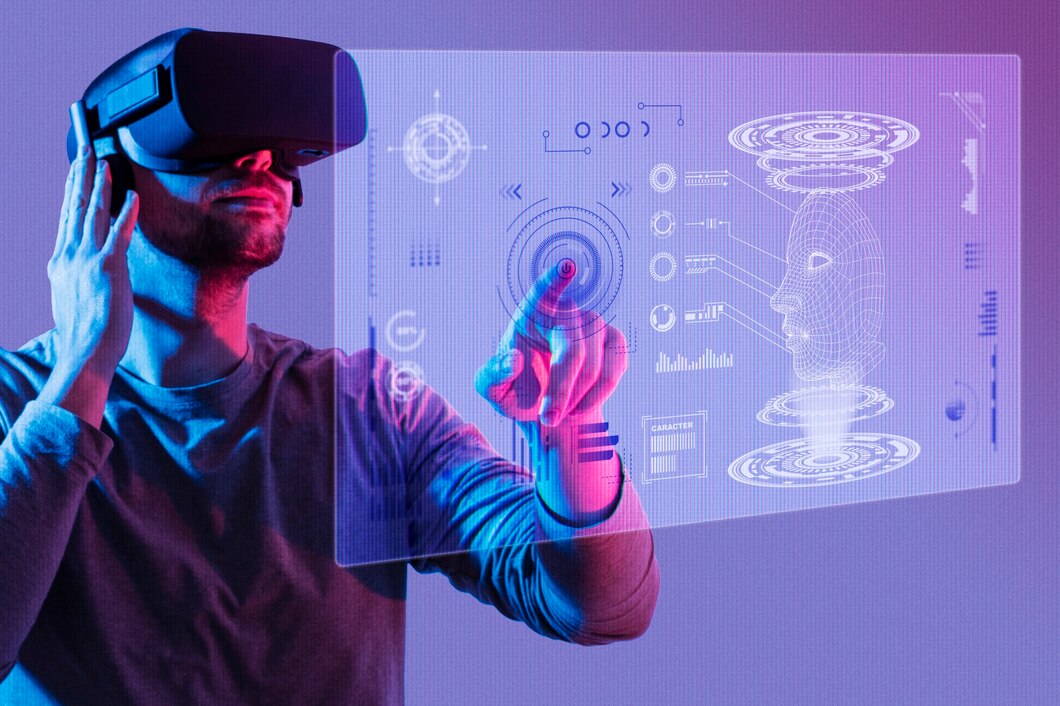
Virtual Reality (VR) and Augmented Reality (AR) are transforming the way we interact with the digital world. Once seen as futuristic technologies limited to gaming, they have now expanded into various industries, offering immersive and interactive experiences that blend the real and virtual worlds. From healthcare to education, their applications are vast and rapidly evolving. Let’s explore some of the most diverse and impactful uses of VR and AR today.


1. Education and Training

VR and AR are revolutionizing the education sector by providing students with interactive and experiential learning environments.

  • Virtual Reality classrooms let students explore historical sites, space, or biological systems in 3D without leaving their desks.

  • AR applications overlay digital content—like chemical structures or anatomy diagrams—onto physical textbooks, making complex subjects easier to grasp.

  • In professional training, pilots, surgeons, and military personnel use VR simulations to practice high-risk scenarios safely.


2. Healthcare and Medical Applications

In healthcare, VR and AR are being used to improve both patient outcomes and medical training.

  • VR surgery simulations help doctors practice procedures without risk.

  • AR-guided surgery assists surgeons with real-time data, showing organ structures or incision points over the patient’s body.

  • VR is also being used in pain management and mental health therapy, such as treating phobias, PTSD, and anxiety through immersive experiences.


3. Gaming and Entertainment

This is where VR and AR first gained mainstream attention.

  • VR gaming allows players to immerse themselves in realistic environments and interact with them in real time.

  • AR gaming, popularized by games like Pokémon GO, integrates digital elements into real-world surroundings, creating an engaging blend of virtual and physical play.
    Beyond gaming, VR concerts and AR-enhanced movies are redefining entertainment experiences.


4. Retail and E-commerce

AR and VR are changing the way people shop.

  • Virtual fitting rooms allow users to “try on” clothes or accessories through AR apps.

  • VR showrooms give customers the experience of walking through a store or viewing a product in 3D from home.

  • Furniture retailers like IKEA use AR to let customers visualize how products would look in their living space.


5. Real Estate and Architecture

VR and AR have made property exploration more convenient and realistic.

  • Virtual property tours let potential buyers explore houses remotely.

  • AR visualization tools help architects and clients see how buildings or interior designs will appear before construction begins.
    This reduces design errors and helps make more informed decisions.


6. Manufacturing and Industry

In industrial settings, VR and AR are being used for design, maintenance, and safety.

  • Engineers use VR simulations to visualize prototypes before manufacturing.

  • AR headsets assist workers by displaying step-by-step instructions or highlighting problem areas on machinery.
    This enhances efficiency, reduces downtime, and improves safety compliance.


7. Tourism and Travel

Both technologies have added a new dimension to travel experiences.

  • Virtual tours allow travelers to explore destinations before booking trips.

  • AR travel guides provide real-time information about landmarks, directions, and cultural insights during tours.
    This creates more engaging and informative travel experiences.


8. Sports and Fitness

VR and AR are changing the way athletes train and fans engage with sports.

  • VR simulations help athletes practice in realistic conditions without physical strain.

  • AR-enhanced broadcasts offer viewers live stats, replays, and immersive experiences.

  • Fitness apps like Supernatural use VR to make workouts fun and interactive.


9. Military and Defense

The military uses VR and AR for training, strategy, and maintenance.

  • VR combat simulations train soldiers for complex missions in safe, controlled environments.

  • AR helmets display tactical information and maps in real time during operations.
    These technologies enhance both preparedness and situational awareness.


10. Marketing and Advertising

Brands use AR and VR to create memorable marketing experiences.

  • AR filters on social media platforms let users engage directly with products.

  • VR brand experiences allow customers to immerse themselves in a story or campaign, creating emotional connections and brand loyalty.


Conclusion

The uses of Virtual Reality and Augmented Reality go far beyond entertainment—they’re reshaping industries, improving education, enhancing safety, and transforming how we live and work. As technology advances and devices become more affordable, VR and AR will become even more integrated into everyday life, offering limitless possibilities for creativity, innovation, and human connection.

Form submitted! Our team will reach out to you soon.
0
    0
    Your Cart
    Your cart is emptyReturn to Course