

What Personal Finance Mistakes Should Everyone Avoid?

Managing money wisely is one of the most important life skills — yet many people struggle with it. Whether you’re just starting your financial journey or already earning a steady income, making certain money mistakes can set you back significantly. Understanding and avoiding these pitfalls can help you build long-term wealth and financial stability. Here are some of the most common personal finance mistakes everyone should avoid.


1. Ignoring Budgeting

One of the biggest financial mistakes people make is not having a clear budget. Without a spending plan, it’s easy to lose track of where your money goes. A simple monthly budget helps you allocate funds for savings, bills, and personal expenses — ensuring you don’t overspend. Tools like Mint, YNAB, or even a basic spreadsheet can make budgeting simple and effective.


2. Living Beyond Your Means

Spending more than you earn might seem sustainable for a while, especially with credit cards, but it eventually leads to debt and stress. The golden rule of finance is to spend less than you earn. Avoid unnecessary luxuries and impulse purchases. Focus on saving and investing instead — your future self will thank you.


3. Not Building an Emergency Fund

Life is unpredictable — job loss, medical emergencies, or unexpected repairs can strike anytime. Without an emergency fund, you might end up relying on credit cards or loans, which can trap you in a debt cycle. Aim to save at least three to six months’ worth of expenses in a liquid savings account.


4. Delaying Investing

Many people wait too long to start investing, thinking they’ll do it “later.” But time is your most powerful ally when it comes to building wealth. Thanks to compound interest, even small, consistent investments can grow significantly over time. Start early, even if it’s with small amounts, and focus on long-term growth through mutual funds, index funds, or retirement accounts.


5. Relying Too Much on Credit

Credit cards are convenient, but they can also be dangerous if not managed wisely. Paying only the minimum balance or missing payments leads to high-interest debt. Use credit responsibly — pay off your balance in full every month and keep your credit utilization below 30%.


6. Neglecting Insurance

Skipping insurance might save you money today, but it can cost you dearly later. Health, life, and vehicle insurance protect you from unexpected financial shocks. Think of insurance not as an expense but as a safety net for you and your loved ones.


7. Ignoring Retirement Planning

It’s easy to assume retirement is far away, but failing to plan early can leave you financially insecure in your later years. Start contributing to a retirement fund as soon as possible. Even small, regular contributions can accumulate into a significant amount over time.


8. Not Tracking Expenses

Many people underestimate how small daily expenses — like coffee, takeout, or subscriptions — add up over time. Tracking your spending habits gives you a clear picture of where your money goes and helps you identify areas to cut back.


9. Falling for Get-Rich-Quick Schemes

Promises of instant wealth are tempting, but they’re often traps. From crypto scams to fake investment opportunities, always do your research before putting your money anywhere. Remember: if it sounds too good to be true, it probably is.


10. Not Setting Financial Goals

Without clear goals, saving and investing can feel aimless. Set short-term goals (like building an emergency fund) and long-term goals (like buying a house or retiring early). Goals give you direction and motivation to stay disciplined with your finances.


Conclusion

Avoiding these common personal finance mistakes can make a huge difference in your financial well-being. Start by creating a budget, saving consistently, and investing early. Financial success doesn’t happen overnight — it’s the result of smart habits and consistent effort over time.
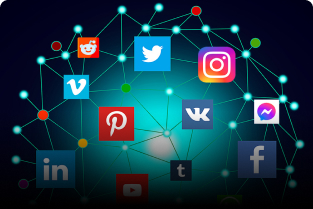

: Does Digital Marketing Have a Great Future Ahead?

In today’s fast-evolving world, digital marketing has become the backbone of modern business strategy. With billions of people using the internet daily, companies are shifting their focus from traditional advertising methods to online platforms. The question many ask is: Does digital marketing have a great future ahead? The answer is a resounding yes — and here’s why.


1. The World Is Going Digital

Every year, more people come online — whether through smartphones, tablets, or computers. This digital presence has transformed how consumers interact with brands. From social media engagement to online shopping, almost every purchase decision now begins with a Google search or a scroll through Instagram. Businesses that want to stay relevant must continue investing in digital marketing to reach their target audiences effectively.


2. Demand for Skilled Digital Marketers Is Rising

As businesses compete for online visibility, the demand for skilled digital marketers has skyrocketed. Roles in SEO, content marketing, social media management, PPC advertising, and data analytics are among the most sought-after jobs today. According to recent industry reports, digital marketing jobs are growing faster than any other marketing field, and this trend shows no signs of slowing down.


3. AI and Automation Are Shaping the Future

Artificial intelligence (AI) is revolutionizing how marketers approach data analysis, customer targeting, and personalization. Tools like chatbots, predictive analytics, and AI-driven ad campaigns are helping brands understand customer behavior in real time. As AI continues to evolve, digital marketers will have access to even more powerful tools to deliver smarter, more effective campaigns.


4. Content Remains King

Despite the rise of new technologies, content continues to play a vital role in digital marketing. Videos, blogs, podcasts, and social media posts are all ways brands communicate with their audiences. As long as people consume digital content, there will always be a need for creative marketers who can craft engaging and valuable stories.


5. E-commerce and Social Media Are Booming

The e-commerce industry has exploded, especially after the pandemic. Consumers now prefer shopping online for convenience and variety. Social media platforms like Instagram, TikTok, and YouTube have become digital storefronts where brands can connect directly with potential buyers. This shift has made digital marketing not just relevant — but essential — for business success.


6. Global Reach and Cost-Effectiveness

Digital marketing allows businesses of all sizes to reach audiences worldwide without the huge costs associated with traditional advertising. Whether it’s a small startup or a multinational brand, digital campaigns can be tailored, measured, and optimized for better results — something that television or print ads can’t easily achieve.


7. Continuous Innovation Keeps It Exciting

From influencer marketing to virtual reality ads, the digital marketing landscape is constantly evolving. Marketers who stay updated with new trends and tools have endless opportunities to grow and innovate. This continuous evolution ensures that the future of digital marketing will never be static — it will keep expanding with new technologies and creative strategies.


Conclusion

Digital marketing undoubtedly has a bright and promising future. As technology advances and more people engage online, businesses will increasingly rely on digital strategies to connect with their customers. For aspiring marketers, this field offers a world of opportunity — full of creativity, data-driven insights, and innovation.

Form submitted! Our team will reach out to you soon.
0
    0
    Your Cart
    Your cart is emptyReturn to Course