
The Need for Cloud Computing: Transforming Business and Technology

Cloud computing has emerged as a revolutionary force in the world of technology, transforming how businesses operate and individuals interact with digital systems. From providing on-demand access to computing resources to enabling innovative business models, cloud computing offers several benefits that are critical for modern-day enterprises. In this blog, we will explore the need for cloud computing and how it has become an indispensable tool for businesses and individuals alike.

1. Cost Efficiency

One of the most compelling reasons for adopting cloud computing is its cost-effectiveness. Traditionally, businesses needed to invest heavily in physical infrastructure, such as servers, storage devices, and networking equipment. This hardware also required maintenance, upgrades, and a dedicated IT team, leading to significant operational expenses.

Cloud computing, on the other hand, operates on a pay-as-you-go or subscription model, allowing businesses to only pay for the resources they use. This flexibility reduces upfront costs and eliminates the need for ongoing hardware maintenance, providing substantial savings for businesses of all sizes. Small startups and large enterprises alike can now access high-quality infrastructure and services without the heavy financial burden.

2. Scalability and Flexibility

Businesses are often required to scale their infrastructure to meet changing demands. Cloud computing provides an unmatched level of scalability, allowing companies to quickly adjust their resources based on current needs. Whether it’s increasing computing power during peak times or scaling down during off-peak periods, cloud services provide a flexible solution that can accommodate fluctuating workloads.

This elasticity is particularly valuable for businesses with seasonal demand, startups, or companies launching new products that require scalable infrastructure. With the cloud, businesses can expand and contract without the limitations of physical hardware, ensuring they always have the resources they need, when they need them.

3. Improved Collaboration and Accessibility

Cloud computing makes it easier for teams to collaborate, regardless of their physical location. Through cloud-based tools and services, employees can access and share documents, communicate in real time, and work together on projects seamlessly. This fosters a more collaborative environment, improving productivity and reducing the barriers of traditional office work.

The cloud also enables remote work by allowing users to access applications, data, and services from any internet-enabled device. This increased accessibility is especially important in today’s globalized world, where teams may be distributed across different regions or countries. With cloud computing, work can continue anytime, anywhere, and on any device, making it a vital enabler of modern business practices.

4. Data Security and Backup

Cloud providers invest heavily in data security, often offering more robust protection than businesses could afford with on-premises solutions. Cloud services come with data encryption, secure access controls, and backup systems to ensure that sensitive information is protected from unauthorized access, data loss, or cyberattacks.

Furthermore, cloud providers often implement redundant storage strategies, ensuring that data is backed up across multiple locations. In the event of a disaster or failure, businesses can quickly recover their data and continue operations with minimal downtime, ensuring business continuity. This is particularly important for businesses handling critical or sensitive data, where even a short period of downtime can result in significant losses.

5. Automatic Updates and Maintenance

Managing software updates, patches, and hardware upgrades can be time-consuming and complex, especially for large businesses. With cloud computing, the service provider handles all updates and maintenance, ensuring that systems remain up-to-date and secure. Users are always using the latest versions of applications, and critical security patches are automatically applied, reducing the risk of vulnerabilities.

This also frees up time and resources for businesses to focus on core operations and innovation, rather than worrying about IT management and maintenance. Cloud computing providers have dedicated teams of experts who handle all aspects of service maintenance, ensuring that businesses can operate with the latest technologies without needing to devote significant resources to IT upkeep.

6. Innovation and Competitive Advantage

Cloud computing fosters innovation by enabling businesses to experiment with new ideas without the constraints of traditional infrastructure. Startups, in particular, can benefit from cloud platforms that provide access to cutting-edge technologies such as machine learning, big data analytics, and artificial intelligence. With these tools, businesses can analyze large sets of data, gain insights, and make data-driven decisions that were previously only available to large enterprises.

Additionally, the agility and scalability of cloud computing enable businesses to rapidly launch and scale new products and services, helping them stay ahead of competitors. The cloud allows companies to be more responsive to market demands and customer needs, fostering a competitive advantage in an increasingly fast-paced business world.

7. Environmental Sustainability

Another growing reason for the adoption of cloud computing is its positive impact on environmental sustainability. By using shared infrastructure and optimizing resource utilization, cloud data centers can achieve far greater energy efficiency compared to traditional on-premises data centers. Cloud providers implement advanced cooling techniques, energy-efficient hardware, and renewable energy sources to minimize their environmental footprint.

For businesses looking to reduce their own environmental impact, migrating to the cloud helps them align with sustainability goals while benefiting from the efficiency and scalability of cloud infrastructure.

8. Disaster Recovery and Business Continuity

In the event of a disaster, cloud computing offers an easy way to ensure business continuity. Traditional disaster recovery methods often require complex infrastructure and can be costly. Cloud services, however, come with built-in disaster recovery options that allow businesses to restore their operations quickly and efficiently.

Cloud-based disaster recovery systems allow businesses to back up critical data and applications in geographically dispersed locations, reducing the risk of data loss during natural disasters, system failures, or cyberattacks. This ensures that even in the worst-case scenario, businesses can resume normal operations with minimal disruption.

Conclusion

The need for cloud computing has never been greater. Its ability to provide cost savings, scalability, flexibility, and security has made it an essential tool for businesses in every industry. Cloud computing enables innovation, collaboration, and accessibility, all while ensuring that businesses can remain agile in a fast-moving digital world. As technology continues to evolve, the role of the cloud will only become more integral to the future of business operations, data management, and global collaboration. For organizations seeking to stay competitive and future-proof, embracing the cloud is no longer a choice—it’s a necessity.
Methods to Secure IoT and Robotic Devices: Protecting the Future of Technology

In the rapidly evolving world of the Internet of Things (IoT) and robotics, security has become a paramount concern. These devices, from smart home gadgets to industrial robots, are interconnected and collect vast amounts of data, making them prime targets for cyberattacks. As IoT and robotics become increasingly integrated into everyday life and business, it’s crucial to adopt strong security practices to safeguard them. Below, we explore various methods to secure IoT and robotic devices and protect them from potential vulnerabilities.

1. Implement Strong Authentication Mechanisms

One of the most effective ways to secure IoT and robotic devices is through strong authentication methods. Weak passwords or default login credentials are a common target for cybercriminals. It is important to ensure that each device has a unique, strong password that incorporates a combination of letters, numbers, and special characters.

Additionally, implementing multi-factor authentication (MFA) can add an extra layer of security. MFA requires users to provide two or more verification factors, such as a password and a fingerprint scan, before gaining access to the device. This reduces the risk of unauthorized access significantly.

2. Regular Firmware and Software Updates

Just like any other computing device, IoT and robotic systems require regular updates to their software and firmware. Manufacturers often release security patches to fix vulnerabilities discovered after the device has been shipped. Keeping the device’s software up-to-date ensures that known vulnerabilities are patched and that the system is protected against emerging threats.

Automatic software updates are ideal, but in cases where this is not possible, device owners should manually check for updates and apply them promptly. This is especially important in robotic systems used in critical operations, where outdated software could lead to malfunctions or breaches.

3. Network Segmentation

IoT and robotic devices often rely on Wi-Fi or cellular networks to communicate, but exposing them to broader networks increases their risk of being compromised. Network segmentation involves creating separate networks for IoT devices and robots, isolating them from more sensitive areas of the network, such as enterprise systems or personal data servers.

By segmenting networks, any potential security breach is confined to a smaller portion of the system, preventing the attacker from accessing critical resources. This also allows network administrators to apply different security measures based on the risk associated with each segment.

4. Encryption of Data

IoT and robotic devices transmit vast amounts of data, including sensitive personal information, environmental data, or operational details. Without proper protection, this data can be intercepted during transmission. Encryption is essential to ensuring that data remains confidential and secure.

All communication between devices should be encrypted using industry-standard protocols such as TLS (Transport Layer Security) or VPNs (Virtual Private Networks). This ensures that even if data is intercepted, it cannot be read or exploited by unauthorized entities.

5. Firewalls and Intrusion Detection Systems (IDS)

Firewalls act as a barrier between the IoT or robotic device and external networks, preventing unauthorized access. Firewalls can filter traffic, block malicious requests, and enforce policies that limit device communication to only trusted sources.

In addition, integrating intrusion detection systems (IDS) can help detect suspicious activity within the network. IDS monitors incoming and outgoing traffic to identify patterns that may indicate an attack, such as unusual data spikes or attempts to access restricted ports. An effective IDS will alert administrators to potential threats before they can do significant damage.

6. Physical Security

Securing the physical hardware of IoT and robotic devices is equally important as software protection. A device left unattended in an unsecured location is vulnerable to tampering, theft, or sabotage. In industrial environments, robotic systems should be housed in locked, monitored areas to prevent unauthorized personnel from gaining physical access.

For devices like robots, secure boot mechanisms ensure that only authorized firmware is loaded onto the device at startup, preventing malicious software from running even if physical access is gained.

7. Device Management and Monitoring

Constant monitoring and management of IoT and robotic devices are critical for detecting vulnerabilities early. Device management platforms allow administrators to track the status, health, and performance of devices, ensuring that any irregularities or malfunctions are quickly identified.

Monitoring should include analyzing the devices’ behavior, network traffic, and system logs for signs of abnormal activity. Machine learning and AI can help automate this process by identifying trends and outliers that may signal a potential attack or malfunction.

8. Limit Data Collection and Sharing

Not all IoT and robotic devices need to collect vast amounts of data. Limiting the data that is gathered by each device reduces the risk of sensitive information being exposed in the event of a breach. Additionally, not all devices need to communicate with every system in the network, and limiting data sharing can minimize potential attack surfaces.

This principle of “data minimization” ensures that devices only gather and transmit the necessary data to perform their function, reducing the overall risk.

9. Security-by-Design and Vendor Collaboration

Security should not be an afterthought but an integral part of the design process. Security-by-design refers to embedding security measures at every stage of the development lifecycle, from hardware selection and software development to deployment and maintenance.

Collaborating with device vendors and manufacturers is essential in ensuring that their devices are built with security in mind. Vendors must provide proper documentation on security measures, including recommended practices for securing devices, as well as the availability of software updates and patches.

10. Cybersecurity Awareness and Training

A significant portion of IoT and robotic security vulnerabilities stem from human error. Whether it’s weak passwords, clicking on malicious links, or improper handling of devices, user mistakes can expose systems to attacks. Providing regular cybersecurity training for employees and device owners is crucial.

Training should focus on recognizing phishing attempts, maintaining strong password policies, and practicing safe handling of connected devices. A well-informed user base can be a strong line of defense against cyber threats.

Conclusion

Securing IoT and robotic devices is essential for ensuring that these technologies can operate safely and effectively without exposing networks or data to threats. By adopting a multi-layered security approach that includes strong authentication, regular updates, encryption, network segmentation, and continuous monitoring, businesses and individuals can mitigate the risks associated with connected devices. As IoT and robotics continue to shape our future, maintaining robust security practices will be critical to realizing their full potential without compromising privacy or safety.

What’s the Difference Between Machine Learning and AI?

Artificial Intelligence (AI) and Machine Learning (ML) are two terms often used interchangeably, but they represent distinct concepts within the world of technology. While AI encompasses a broad range of techniques aimed at creating intelligent systems, ML is a specific subset of AI focused on enabling machines to learn and improve from experience. Understanding the difference between these terms is essential for anyone diving into the tech world.


1. What Is Artificial Intelligence (AI)?

AI refers to the simulation of human intelligence in machines. It involves designing systems capable of performing tasks that typically require human intelligence, such as reasoning, problem-solving, decision-making, and understanding language.

Key Features of AI:

  • Mimics cognitive functions like learning and reasoning.
  • Includes various branches like robotics, natural language processing (NLP), and expert systems.
  • Aims to create systems that can work independently and intelligently.

Examples of AI:

  • Chatbots like OpenAI’s ChatGPT.
  • Virtual assistants like Siri and Alexa.
  • Autonomous vehicles using decision-making algorithms.

2. What Is Machine Learning (ML)?

Machine Learning is a subset of AI that focuses on building systems that learn from data and improve over time without being explicitly programmed. ML models use algorithms to analyze data, identify patterns, and make predictions or decisions.

Key Features of ML:

  • Relies on data for training.
  • Uses statistical methods and algorithms.
  • Improves performance as more data is processed.

Examples of ML:

  • Netflix recommending shows based on your watch history.
  • Email systems detecting spam messages.
  • Predictive models in stock trading.

3. The Relationship Between AI and ML

AI is the broader concept, and ML is one of its techniques. While all machine learning is AI, not all AI is machine learning. Think of AI as the overarching goal of creating intelligent systems, and ML as one of the tools to achieve that goal.


4. AI Without Machine Learning

AI can exist without machine learning. These systems are based on predefined rules and logic, often referred to as rule-based AI. These systems do not learn from data but operate based on specific instructions.

Examples of Rule-Based AI:

  • Automated customer support systems with pre-programmed responses.
  • Chess programs using hardcoded strategies.

5. Types of Machine Learning

Machine Learning is categorized into three main types:

Supervised Learning

  • Trained on labeled data.
  • Examples: Fraud detection, image classification.

Unsupervised Learning

  • Works with unlabeled data to identify patterns.
  • Examples: Customer segmentation, anomaly detection.

Reinforcement Learning

  • Learns by interacting with an environment and receiving feedback.
  • Examples: Robotics, game-playing AI like AlphaGo.

6. AI Beyond Machine Learning

While machine learning dominates modern AI applications, other approaches also contribute to AI development. These include:

  • Symbolic AI: Based on symbolic representation and logic.
  • Evolutionary Algorithms: Inspired by natural selection principles.
  • Expert Systems: Use predefined rules and knowledge bases.

7. Use Cases: AI vs. ML

Understanding how AI and ML differ in practical applications can clarify their roles:

Application AI ML
Healthcare Virtual health assistants Predictive models for diseases
Finance Fraud detection systems Risk assessment using data
Entertainment Virtual characters in games Personalized recommendations
Manufacturing Robotic process automation (RPA) Predictive maintenance

8. Real-World Analogy

To simplify the relationship between AI and ML, consider this analogy:

  • AI is like the entire universe of intelligent technologies.
  • ML is a specific planet within this universe, focusing on learning from data to create smarter systems.

9. Challenges and Limitations

Both AI and ML face unique challenges:

  • AI Challenges: Ethical concerns, lack of explainability, and dependence on large datasets.
  • ML Challenges: Data quality, overfitting, and interpretability of complex models.

10. The Future of AI and ML

As AI and ML evolve, their interdependence will grow. Innovations in ML algorithms will drive advancements in AI systems, while AI’s broader vision will guide the direction of ML research.

Key trends to watch:

  • Increased use of Generative AI (e.g., GPT models).
  • Enhanced Explainable AI for better trust and transparency.
  • Wider adoption of AI ethics frameworks to address biases and fairness.

Conclusion

AI and ML are interconnected but distinct. While AI aims to create intelligent systems, ML provides the mechanism for systems to learn and improve. Together, they are revolutionizing industries and shaping the future of technology.

Whether you’re developing a smart app or exploring cutting-edge technologies, understanding the differences between AI and ML is your first step toward unlocking their full potential.

Why Is Data Science Important?

In the era of digital transformation, data has become the lifeblood of businesses, governments, and individuals. However, data alone is not enough—it needs to be processed, analyzed, and interpreted to unlock its true potential. This is where data science steps in. By combining statistics, machine learning, and domain expertise, data science extracts meaningful insights and drives informed decision-making.

Here’s why data science is crucial in today’s world.


1. Empowering Decision-Making

Data science enables organizations to make data-driven decisions by identifying trends, patterns, and correlations in large datasets. These insights provide a solid foundation for strategies and solutions.

Examples:

  • Retailers analyzing customer behavior to optimize product placement.
  • Financial institutions using predictive analytics to assess risks and detect fraud.

2. Driving Innovation

Data science plays a vital role in innovation across industries. By analyzing data, companies can identify opportunities for new products, services, or processes that meet emerging needs.

Examples:

  • Pharmaceutical companies using data science for faster drug discovery.
  • Tech companies leveraging AI to develop smarter, more intuitive devices.

3. Enhancing Customer Experience

Understanding customer preferences and behavior is essential for delivering personalized experiences. Data science helps businesses tailor their offerings to individual needs, fostering loyalty and satisfaction.

Examples:

  • Streaming services recommending shows based on viewing history.
  • E-commerce platforms providing personalized product recommendations.

4. Optimizing Business Operations

Organizations can streamline their operations by using data science to analyze and optimize processes. This reduces costs, improves efficiency, and enhances productivity.

Examples:

  • Supply chain management using data to predict demand and reduce waste.
  • Airlines employing data science for fuel optimization and route planning.

5. Advancing Healthcare

In healthcare, data science saves lives by improving diagnostics, treatment plans, and patient outcomes. By analyzing vast amounts of medical data, it uncovers insights that traditional methods often miss.

Examples:

  • Predictive models for early disease detection.
  • AI-powered analysis of medical imaging to identify abnormalities.

6. Contributing to Sustainability

Data science helps address global challenges like climate change, resource management, and sustainability. By analyzing environmental data, it supports smarter policies and actions.

Examples:

  • Monitoring deforestation using satellite imagery and data analytics.
  • Optimizing energy consumption in smart cities.

7. Shaping AI and Machine Learning

Data science is the backbone of AI and machine learning technologies. These systems rely on data to learn, adapt, and improve over time, making data science essential for their development and deployment.

Examples:

  • Chatbots and virtual assistants improving user interactions.
  • Self-driving cars relying on real-time data for navigation and safety.

8. Supporting Evidence-Based Research

In academia and scientific research, data science enables the analysis of complex datasets to derive evidence-based conclusions. It accelerates discoveries and advances knowledge in various fields.

Examples:

  • Genomics research uncovering genetic predispositions to diseases.
  • Social science studies analyzing public opinion trends.

9. Combating Cyber Threats

In the cybersecurity domain, data science helps detect anomalies, monitor suspicious activities, and predict potential threats, ensuring robust protection for sensitive information.

Examples:

  • Machine learning models identifying phishing attempts.
  • Real-time monitoring systems flagging unusual login activities.

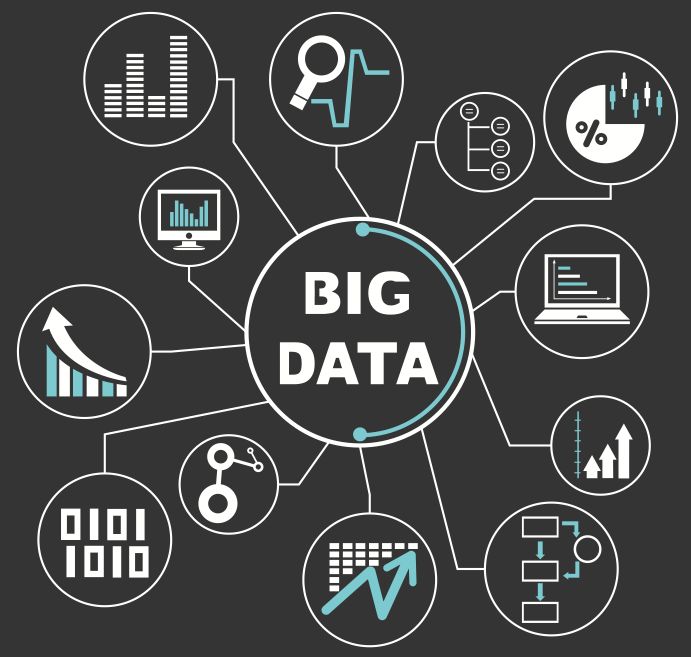
10. Unlocking the Value of Big Data

As data generation grows exponentially, organizations need data science to manage, analyze, and derive value from this big data. Without it, vast amounts of information would remain untapped.


Conclusion

Data science is more than just a tool—it’s a transformative force driving progress across industries and improving lives. Its ability to derive actionable insights from data has made it indispensable in decision-making, innovation, and problem-solving.

As data continues to grow in volume and complexity, the importance of data science will only increase. Whether you’re a business leader, a policymaker, or an individual looking to make informed choices, data science is the key to unlocking a smarter, more efficient future.

What Will Be the Future of AI?

Artificial Intelligence (AI) has transformed how we live, work, and interact with technology. From personalized recommendations to autonomous vehicles, AI’s impact is evident across industries. But what does the future hold for this revolutionary technology? As we look ahead, here’s a glimpse into the exciting possibilities and challenges AI might bring in the coming years.


1. Ubiquitous Integration in Daily Life

AI is poised to become an integral part of everyday life. Smart assistants like Siri and Alexa will evolve into even more intuitive companions, capable of understanding emotions and responding contextually. AI-driven devices will seamlessly integrate with our homes, cars, and workplaces, enhancing convenience and productivity.

Examples:

  • Advanced home automation systems powered by AI.
  • Wearable technology offering personalized health insights.

2. Breakthroughs in Healthcare

The future of AI in healthcare is groundbreaking. AI will play a pivotal role in diagnosing diseases, developing personalized treatment plans, and even predicting health issues before symptoms arise. Innovations in AI-powered robotics will revolutionize surgeries and patient care.

Potential Developments:

  • Early cancer detection through AI-driven imaging tools.
  • AI systems assisting in drug discovery and development.

3. Revolutionizing Education

AI will reshape education by offering personalized learning experiences tailored to individual needs. Virtual tutors and AI-powered adaptive learning platforms will help students grasp complex concepts at their own pace, bridging gaps in traditional teaching methods.

Future Education Trends:

  • AI-driven virtual classrooms for global access to quality education.
  • Real-time feedback systems to improve student engagement.

4. Autonomous Transportation

Self-driving cars and AI-enabled transportation systems will redefine mobility. Beyond personal vehicles, AI will optimize public transportation, reduce traffic congestion, and enhance road safety.

What to Expect:

  • Fully autonomous taxis and delivery vehicles.
  • AI-powered traffic management systems to minimize accidents.

5. Transforming Business and Industry

Businesses will harness AI for better decision-making, improved customer experiences, and streamlined operations. AI will dominate areas like supply chain optimization, predictive analytics, and customer service.

Key Trends:

  • AI chatbots providing human-like customer support.
  • Predictive analytics for inventory and demand management.

6. Advancements in Robotics

AI-powered robots will take center stage in manufacturing, logistics, and even household chores. Collaborative robots, or cobots, will work alongside humans, increasing efficiency and reducing workplace hazards.

Future Innovations:

  • Robots performing complex surgeries or high-risk rescue operations.
  • AI companions for elderly care and social interaction.

7. Ethical and Societal Implications

While AI offers immense benefits, it also raises critical ethical concerns. Issues like data privacy, bias in AI algorithms, and job displacement need careful attention. The future of AI will hinge on creating fair, transparent, and accountable systems.

Challenges Ahead:

  • Addressing biases in AI models.
  • Ensuring equitable access to AI technologies.

8. Expansion of AI in Creative Fields

AI’s role in creativity will continue to grow, from generating art and music to crafting compelling stories. While it will never fully replace human creativity, AI will augment artistic processes and inspire new forms of expression.

Creative AI Applications:

  • AI-generated music tailored to individual moods.
  • Tools for designing graphics, videos, and virtual environments.

9. Enhanced AI-Human Collaboration

Rather than replacing humans, AI will amplify human capabilities. By handling repetitive tasks, AI will allow professionals to focus on strategic and creative endeavors, fostering a more collaborative dynamic.

Collaborative Scenarios:

  • AI assisting doctors in analyzing medical data.
  • Designers using AI tools to prototype faster and more efficiently.

10. The Road to General AI

While current AI systems are narrow in scope, the pursuit of Artificial General Intelligence (AGI) continues. AGI aims to create machines capable of reasoning, learning, and performing any intellectual task a human can. Though AGI is still in its infancy, its realization could redefine the boundaries of technology.


Conclusion

The future of AI is brimming with possibilities. As technology advances, AI will continue to reshape industries, solve complex problems, and enhance human lives. However, it also demands ethical frameworks and global cooperation to ensure its benefits are shared equitably.

As we navigate this evolving landscape, one thing is clear: AI will be a defining force in shaping the future. The question isn’t just what AI will do for us but how we will guide its growth for the greater good.

What got you started in the cyber security business?

Cybersecurity is one of the most dynamic and impactful fields in today’s digital landscape. As businesses and individuals rely more on technology, the need to protect sensitive data, networks, and systems from cyber threats has never been greater. But what inspires someone to embark on this journey into the world of cybersecurity? Let’s explore some key motivations and pathways that lead people to this vital profession.


1. A Passion for Problem-Solving

Many cybersecurity professionals are driven by a natural curiosity and love for solving complex problems. The field offers endless puzzles, from detecting vulnerabilities in systems to deciphering malicious code. For those who enjoy unraveling mysteries, cybersecurity provides an intellectually stimulating career.

Example: A tech enthusiast might discover their love for cybersecurity by experimenting with ethical hacking or solving cybersecurity challenges during college.


2. A Desire to Make a Difference

The impact of cybercrime can be devastating, affecting individuals, organizations, and even nations. Many cybersecurity professionals are motivated by a desire to protect others and make the digital world safer. Knowing your work helps safeguard sensitive data and critical infrastructure can be deeply rewarding.

Example: Witnessing the effects of a ransomware attack on a friend’s business might inspire someone to pursue a career in cybersecurity.


3. Exposure to Technology Early On

A fascination with technology often begins in childhood. Tinkering with computers, writing code, or experimenting with software can spark an interest in understanding how systems work—and how to protect them.

Example: A young gamer curious about how online gaming platforms prevent cheating might explore cybersecurity concepts and eventually decide to make it a career.


4. Learning About Real-World Cyber Threats

Stories about massive data breaches, phishing attacks, or hacking scandals often draw attention to the importance of cybersecurity. Some professionals are inspired to join the industry after learning about the vulnerabilities in the systems they use daily.

Example: Hearing about a major company’s data breach might make someone realize the critical need for cybersecurity experts.


5. The Influence of Education or Mentorship

For many, a professor, mentor, or course in computer science or information technology introduces them to the field. A great teacher or engaging course can ignite a passion for cybersecurity and open doors to opportunities.

Example: A college course on network security might provide the foundation for a lifelong career in cybersecurity.


6. Career Pivot from Related Fields

Cybersecurity attracts professionals from diverse backgrounds such as IT, software development, or even law enforcement. Skills in troubleshooting, coding, or investigative techniques often translate well into the field.

Example: An IT administrator might transition to cybersecurity after discovering a knack for identifying and fixing security vulnerabilities in their organization.


7. The Thrill of Staying Ahead of Hackers

Cybersecurity is a constantly evolving field where professionals must outsmart adversaries daily. For thrill-seekers who enjoy staying one step ahead, the industry offers a fast-paced and exciting career.

Example: Participating in capture-the-flag hacking competitions might reveal an innate talent for cybersecurity.


8. Financial and Career Stability

Cybersecurity is one of the fastest-growing industries, with high demand and lucrative salaries. For some, the stability and growth opportunities in the field are key motivators.

Example: Observing the increasing number of cybersecurity job postings and attractive salaries could inspire someone to enter the field.


9. Personal Experience with Cybercrime

A personal encounter with cybercrime can be a powerful motivator. Experiencing identity theft, hacking, or data breaches can drive someone to help others avoid similar situations.

Example: A small business owner targeted by a phishing attack might decide to learn cybersecurity to prevent future incidents.


10. A Sense of Community and Collaboration

Cybersecurity professionals often work together to solve global problems. The collaborative nature of the industry, combined with the opportunity to join a passionate community, draws many to the field.

Example: Joining an online cybersecurity forum might introduce someone to the field and inspire them to build a career.


Final Thoughts

The journey into the cybersecurity business is as diverse as the people who choose it. Whether sparked by a passion for technology, a desire to make a difference, or a career pivot, every professional brings unique experiences and motivations to the field.

If you’re considering a career in cybersecurity, think about what drives you and explore how you can use your talents to make a lasting impact. With determination, continuous learning, and the right mindset, you too can thrive in this exciting industry.

How Do I Choose the Right Android App Development Company?

In today’s mobile-driven world, having a robust Android app for your business can significantly boost engagement, streamline operations, and elevate your brand. However, choosing the right Android app development company is crucial to ensure your app meets your needs and delivers value. With so many companies vying for your attention, making the right choice can seem overwhelming. Here’s a comprehensive guide to help you make an informed decision.


1. Define Your Project Requirements

Before starting your search, clearly outline what you need in your Android app:

  • Purpose: What problems will the app solve?
  • Features: What functionality do you need? Think of essential and optional features.
  • Budget: Determine a realistic budget for your project.
  • Timeline: Define when you need the app delivered.

Having a clear idea of your requirements will help you communicate effectively with potential companies and evaluate whether they’re a good fit.


2. Research and Shortlist Companies

Look for companies with a proven track record in Android app development. Consider:

  • Online Directories: Websites like Clutch, GoodFirms, and Upwork provide ratings and reviews.
  • Recommendations: Seek referrals from peers or business networks.
  • Portfolios: Review their previous work to assess their expertise and creativity.

3. Evaluate Expertise and Experience

Android app development requires technical expertise and industry experience. Look for:

  • Years in the Industry: Established companies often bring more experience and reliability.
  • Technical Skills: Ensure they are proficient in Java, Kotlin, Android Studio, and other necessary tools.
  • Diverse Portfolio: A wide range of successful projects indicates versatility and adaptability.

4. Check Client Reviews and Testimonials

Client reviews provide insights into the company’s reliability, communication, and problem-solving skills. Read testimonials on their website and independent platforms. Reach out to past clients if possible to get firsthand feedback.


5. Understand Their Development Process

A clear, structured development process ensures your project stays on track. Ask about:

  • Requirement Gathering: How do they understand your needs?
  • Design and Prototyping: Do they provide mockups or prototypes for feedback?
  • Development and Testing: How do they ensure quality and bug-free performance?
  • Deployment and Support: Do they assist with app publishing and post-launch support?

6. Assess Communication and Collaboration

Effective communication is key to project success. Ensure the company:

  • Responds promptly to inquiries.
  • Has a dedicated point of contact or project manager.
  • Provides regular updates and opportunities for feedback.

7. Consider Cost and Value

While cost is a crucial factor, don’t choose a company solely because they offer the lowest price. Look for value:

  • Are they transparent about costs?
  • Do they offer post-development support?
  • Is the quality of work worth the investment?

8. Review Security and Confidentiality Policies

Your app may involve sensitive business data. Ensure the company prioritizes security by:

  • Signing a Non-Disclosure Agreement (NDA).
  • Implementing robust data protection measures during development.

9. Test Their Skills with a Small Project

If you’re uncertain about a company, consider assigning a small project to gauge their capabilities, communication, and adherence to timelines.


10. Choose a Long-Term Partner

Building an Android app isn’t a one-time task. It requires regular updates, maintenance, and potential enhancements. Choose a company that’s open to long-term collaboration and offers ongoing support.


Final Thoughts

Choosing the right Android app development company can make or break your project. By thoroughly researching and evaluating potential partners based on their expertise, communication, and commitment to quality, you’ll be able to select a company that aligns with your goals.

Remember, the right partner will not only develop a great app but will also help your business thrive in the competitive mobile space. Take your time, ask the right questions, and invest wisely!

How Good Is Web Development as a Career?

Web development has grown into one of the most sought-after careers in the digital age. From building websites to creating immersive web applications, web developers are pivotal in shaping the online world. But how good is web development as a career? Let’s delve into the opportunities, challenges, and prospects that come with this dynamic field.


1. High Demand for Web Developers

Web development is an evergreen field due to the continuous growth of the internet and digital transformation. Businesses, big and small, rely on websites to establish their online presence, which fuels the demand for skilled developers.

  • Job Growth: According to reports, the demand for web developers is expected to grow faster than many other professions, driven by the rise of e-commerce, digital marketing, and mobile-friendly sites.
  • Diverse Opportunities: Developers can specialize in front-end, back-end, full-stack development, or niche areas like e-commerce, gaming, or web3 development.

2. Lucrative Salaries

Web development offers competitive salaries, which often increase with experience and expertise. Factors influencing pay include location, company size, and technical proficiency.

  • Entry-Level Pay: New developers can expect decent starting salaries, making it an attractive option for beginners.
  • Potential for Growth: With experience, developers can command high earnings, especially if they specialize in emerging technologies like AI integration or cybersecurity.

3. Opportunities for Creativity

Web development combines technical skills with creativity. Developers have the opportunity to:

  • Design visually appealing user interfaces.
  • Build seamless user experiences.
  • Solve complex problems with innovative solutions.

For those who enjoy creating and building, web development is a rewarding career choice.


4. Flexibility and Remote Work

The web development field often offers flexible working options. Many developers enjoy:

  • Remote Work: The nature of web development allows professionals to work from anywhere, making it ideal for those who value location independence.
  • Freelancing Opportunities: Developers can work as freelancers, offering their services to multiple clients and enjoying the freedom to choose projects.

5. Continuous Learning

Technology evolves rapidly, and web developers must stay updated with the latest tools and trends. While this can be challenging, it also ensures a stimulating career with constant learning opportunities.

Key areas to focus on include:

  • Learning modern programming languages like JavaScript, Python, or PHP.
  • Adapting to frameworks and libraries such as React, Angular, or Django.
  • Staying updated on trends like Progressive Web Apps (PWAs) and serverless architecture.

6. Challenges in Web Development

Like any career, web development has its challenges:

  • Competitive Field: The high demand for web development also means stiff competition, requiring continuous skill enhancement.
  • Pressure to Meet Deadlines: Tight project deadlines can lead to stress.
  • Evolving Technologies: Keeping up with constantly changing tech trends requires dedication and adaptability.

7. Career Progression and Specialization

Web development offers various paths for career growth:

  • Leadership Roles: Developers can progress to roles like Lead Developer or CTO.
  • Specialization: Fields such as UX/UI design, cybersecurity, or web accessibility offer additional avenues.
  • Entrepreneurship: Many developers start their own web development agencies or create SaaS products.

8. Is Web Development a Good Career for You?

Web development is a great career choice if you:

  • Have a passion for technology and problem-solving.
  • Enjoy both creativity and technical challenges.
  • Are willing to adapt and learn continuously.

Whether you’re a beginner or looking to switch careers, web development offers ample opportunities for growth and success.


Conclusion

Web development is undeniably a promising career with high demand, competitive pay, and opportunities for growth. While it requires dedication and continuous learning, the rewards in terms of creativity, flexibility, and job satisfaction make it an excellent choice for those passionate about technology and design. If you’re ready to embrace challenges and adapt to a fast-paced industry, web development could be the perfect career path for you.

How to Become a Drone Engineer: A Step-by-Step Guide

Drones, or Unmanned Aerial Vehicles (UAVs), have revolutionized industries such as agriculture, defense, logistics, filmmaking, and more. As the demand for drones grows, so does the need for skilled drone engineers. These professionals design, build, and maintain drones, combining expertise in robotics, electronics, and aerodynamics. If you’re interested in pursuing a career in this cutting-edge field, here’s a comprehensive guide to becoming a drone engineer.


1. Understand the Role of a Drone Engineer

Drone engineers are responsible for various tasks, including:

  • Designing drone systems (hardware and software).
  • Developing flight control systems and GPS navigation.
  • Conducting tests and troubleshooting technical issues.
  • Ensuring compliance with aviation regulations.
  • Innovating new drone applications and technologies.

Understanding the technical and practical aspects of this role is key to preparing for a career in drone engineering.


2. Educational Requirements

A strong foundation in science and technology is essential. Start with:

High School

  • Focus on subjects like mathematics, physics, and computer science.
  • Participate in science fairs or robotics clubs to build relevant skills.

Undergraduate Degree

  • Pursue a bachelor’s degree in fields such as:
    • Aerospace Engineering
    • Mechanical Engineering
    • Electrical/Electronics Engineering
    • Robotics
  • Some universities offer specialized courses in drone technology or UAV engineering.

Advanced Studies

For career advancement, consider a master’s degree in aerospace engineering, robotics, or a related field, with a focus on UAV technology.


3. Gain Technical Skills

Drone engineering requires a blend of skills in hardware and software. Key areas to focus on include:

  • Aerodynamics: Learn how drones achieve lift, stability, and maneuverability.
  • Electronics: Understand sensors, actuators, and microcontrollers used in drones.
  • Programming: Gain proficiency in languages like Python, C++, or Java for drone software development.
  • CAD Design: Use tools like AutoCAD or SolidWorks to design drone prototypes.
  • Embedded Systems: Study microcontroller programming for flight control and communication systems.

Hands-on projects and internships can help you develop these skills practically.


4. Obtain Drone-Specific Certifications

Certifications can boost your credentials and provide specialized knowledge. Some popular options include:

  • FAA Remote Pilot Certification (for U.S. residents): A requirement for operating drones commercially.
  • UAV Pilot Training: Offered by institutions worldwide to teach drone operation.
  • Specialized certifications in drone design, manufacturing, and maintenance from organizations like the Drone Council of India (DCI) or Global Drone Training Academy.

5. Build Hands-On Experience

Practical experience is critical to becoming a drone engineer. Ways to gain experience include:

  • Drone Kits: Start with DIY drone kits to understand assembly and operation.
  • Competitions: Participate in drone design and flying competitions like those organized by SAE or DRDO.
  • Internships: Work with drone manufacturing companies, research labs, or defense organizations.
  • Personal Projects: Build your own drones or work on open-source projects to showcase your skills.

6. Stay Updated on Industry Trends

The drone industry is rapidly evolving, with new technologies and regulations emerging regularly. Stay informed by:

  • Following news about drone advancements and applications.
  • Attending drone expos, webinars, and conferences.
  • Joining online forums and communities such as DIY Drones or UAV Coach.

7. Explore Career Opportunities

Drone engineers have a wide range of career paths to choose from:

  • Aerospace Companies: Work on cutting-edge UAV designs and prototypes.
  • Agriculture: Develop drones for precision farming and crop monitoring.
  • Defense and Security: Build drones for surveillance, reconnaissance, and combat operations.
  • Delivery and Logistics: Innovate UAVs for package delivery services.
  • Film and Media: Design drones for aerial photography and videography.

Start with entry-level roles such as UAV technician or junior engineer and advance to senior design and project management positions.


8. Consider Starting Your Own Venture

If you’re entrepreneurial, consider starting a drone-related business. Opportunities include:

  • Manufacturing custom drones.
  • Providing drone maintenance and repair services.
  • Offering drone-based solutions for industries like agriculture, surveying, or real estate.

Conclusion

Becoming a drone engineer is a thrilling and rewarding journey that blends creativity, innovation, and technical expertise. With the right education, skills, and practical experience, you can excel in this rapidly expanding field. As drones continue to transform industries, now is the perfect time to embark on this high-flying career path!

Does Fashion Designing Have a Scope in India?

India’s rich cultural heritage, diverse textile traditions, and growing economy make it a vibrant hub for fashion. Over the years, fashion designing has evolved into a lucrative and dynamic career choice in the country. But what makes this industry appealing, and does it have real scope in India? Let’s dive into the opportunities, challenges, and future prospects of fashion designing in India.


1. Growing Demand for Fashion Designers

India’s fashion industry has witnessed significant growth due to an increasing middle class, globalization, and a rising preference for branded clothing. Here’s why demand is on the rise:

  • Rapid Urbanization: Cities are adopting modern lifestyles, leading to a surge in demand for contemporary fashion.
  • Festive and Wedding Markets: India’s love for celebrations fuels a consistent demand for ethnic wear, bridal couture, and traditional clothing.
  • Global Appeal: Indian designers like Sabyasachi Mukherjee, Manish Malhotra, and Ritu Kumar have brought Indian fashion to international platforms, showcasing the global potential of the industry.

2. Diverse Career Opportunities

Fashion designing offers multiple career paths, catering to varied interests and skill sets:

  • Apparel Design: Create clothing lines for brands or personal labels.
  • Accessory Design: Focus on bags, footwear, jewelry, and other add-ons.
  • Textile Design: Work with fabrics and patterns to create innovative materials.
  • Fashion Styling: Curate looks for individuals, celebrities, or editorial shoots.
  • Costume Design: Collaborate with filmmakers or theater groups to design costumes.

Additionally, the retail boom in India has opened opportunities in fashion merchandising, buying, and e-commerce.


3. Role of Fashion Institutes

Top-tier fashion institutes like the National Institute of Fashion Technology (NIFT), Pearl Academy, and Symbiosis Institute of Design play a vital role in nurturing talent. These institutions offer:

  • Specialized courses in apparel, textile, and accessory design.
  • Internships with leading brands, providing hands-on industry exposure.
  • Placement opportunities with reputed companies.

Graduates from these institutions often secure coveted positions in the industry or establish successful independent brands.


4. Rise of E-Commerce and Social Media

The e-commerce boom in India has redefined the fashion industry. Platforms like Myntra, Ajio, and Amazon Fashion have created vast opportunities for designers to showcase their work. Social media platforms like Instagram and Pinterest have also enabled budding designers to:

  • Build personal brands.
  • Connect directly with customers.
  • Gain recognition without needing traditional retail setups.

5. Fusion of Tradition and Modernity

India’s cultural diversity provides a unique edge to its fashion industry. Designers creatively blend traditional craftsmanship with contemporary trends, catering to both domestic and international audiences. Handlooms, khadi, and sustainable fabrics are gaining popularity, giving rise to a conscious fashion movement.


6. Challenges in the Industry

While the opportunities are immense, the fashion industry in India has its challenges:

  • Competition: The market is highly competitive, requiring designers to constantly innovate and stay ahead.
  • Sustainability: With growing awareness, there’s a demand for eco-friendly and ethical fashion, which can be resource-intensive.
  • Market Saturation: Certain segments, like fast fashion, are dominated by global brands, making it challenging for local designers to compete.

7. Future Prospects

The scope of fashion designing in India is set to expand further due to:

  • Increased Spending Power: As disposable incomes rise, consumers are willing to invest in unique and quality fashion.
  • Globalization: Indian designers are collaborating with international brands, blending global trends with Indian aesthetics.
  • Sustainability: The shift towards sustainable and slow fashion is opening new avenues for designers passionate about eco-friendly practices.

8. Is Fashion Designing a Good Career Choice in India?

For those with a creative flair, passion for design, and a willingness to adapt to industry demands, fashion designing can be a highly rewarding career. With dedication, hard work, and the right skills, one can carve a niche in this dynamic industry.


Conclusion

Fashion designing in India offers immense scope, backed by cultural richness, a growing economy, and global recognition. Whether you aspire to create bridal couture, innovate with sustainable fabrics, or launch your own brand, the opportunities are vast. With the right education, perseverance, and creativity, a thriving career in fashion awaits you in India.

Form submitted! Our team will reach out to you soon.
0
    0
    Your Cart
    Your cart is emptyReturn to Course