Cloud computing has become one of the most in-demand fields in technology. From startups to global enterprises, organizations rely on cloud services to store data, build applications, and scale operations efficiently. If you’re planning to start a career in cloud computing, the good news is—it’s beginner-friendly and full of opportunities. Here’s a step-by-step guide to help you get started.
1. Understand What Cloud Computing Is
Before diving in, you need a basic understanding of what cloud computing means.
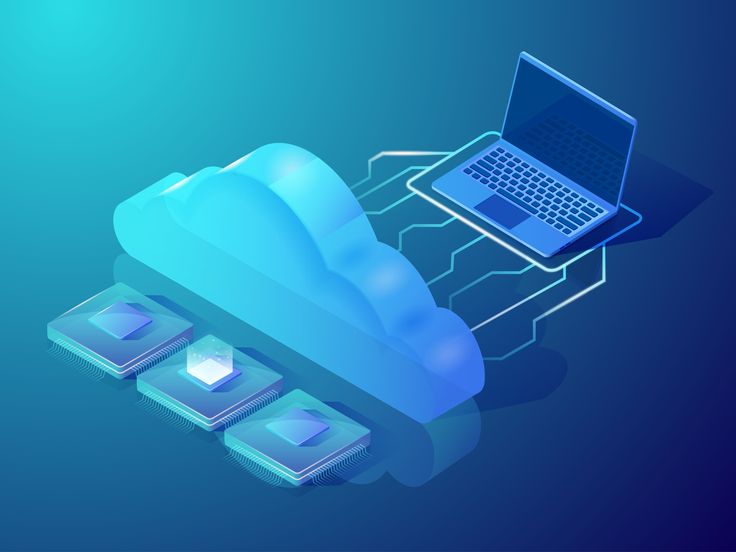
Cloud computing allows individuals and businesses to access computing resources such as storage, servers, databases, and software over the internet (the “cloud”) instead of relying on local hardware.
The three main types of cloud services are:
IaaS (Infrastructure as a Service) – Virtual machines, networking, storage
PaaS (Platform as a Service) – Tools for developers to build and deploy apps
SaaS (Software as a Service) – Software delivered over the internet (e.g., Google Workspace)
The three major cloud providers today are:
Amazon Web Services (AWS)
Microsoft Azure
Google Cloud Platform (GCP)
2. Learn the Core Concepts
To begin a cloud career, focus on key foundational concepts:
Virtualization
Networking basics (IP, DNS, load balancing)
Operating systems (Linux is especially important)
Databases and storage
Security fundamentals
Cloud architecture basics
Even a simple introduction to these topics helps you understand how the cloud works.
3. Choose a Cloud Platform to Start With
You don’t need to learn all platforms at once. Pick one and master the basics.
Best platforms for beginners:
AWS Cloud Practitioner – Great starting point
Azure Fundamentals (AZ-900) – Beginner-friendly
Google Cloud Digital Leader – Easy introduction
These courses help you understand cloud concepts without needing a technical background.
4. Take Free or Paid Online Courses
Many platforms offer beginner courses on cloud computing:
AWS Skill Builder
Microsoft Learn
Google Cloud Skills Boost
Coursera
Udemy
edX
Free tutorials and hands-on labs on YouTube are also useful when starting.
5. Practice With Hands-On Labs
Cloud computing is best learned by doing.
Use platforms like:
AWS Free Tier
Azure Free Account
Google Cloud Free Tier
Hands-on practice builds confidence in real-world tools like EC2, S3, Lambda, Azure VMs, Cloud Functions, and more.
6. Learn a Programming Language (Optional but Helpful)
While not mandatory, knowing at least one programming language helps with automation and cloud-native development.
Best languages for cloud:
Python
JavaScript
Java
Go
7. Understand DevOps and Cloud Tools
Modern cloud roles often require familiarity with DevOps practices:
CI/CD
Docker and containers
Kubernetes
Infrastructure as Code (IaC) with Terraform or CloudFormation
Monitoring and logging tools
These skills make you job-ready and open you to more advanced roles.
8. Build Projects and a Portfolio
Create small cloud-based projects to showcase your skills:
Deploy a website on AWS or Azure
Build a serverless API
Set up a cloud-based database
Create an IoT or machine learning project on the cloud
A portfolio increases your chances of landing interviews.
9. Earn Cloud Certifications
Cloud certifications validate your knowledge and improve your employability.
Popular beginner-to-advanced certifications:
AWS
AWS Cloud Practitioner
AWS Solutions Architect Associate
Azure
AZ-900
Azure Administrator Associate
Google Cloud
Cloud Digital Leader
Associate Cloud Engineer
10. Apply for Internships, Freelance Work, or Entry-Level Roles
Look for beginner-friendly roles such as:
Cloud Support Associate
Cloud Technician
Junior Cloud Engineer
DevOps Intern
IT Support roles that involve cloud tools
Even non-cloud IT roles help you gain experience.
Final Thoughts
Cloud computing is one of the fastest-growing and most flexible career fields today. With the right mix of foundational knowledge, hands-on practice, certifications, and real-world projects, you can build a strong cloud career—even as a beginner.