
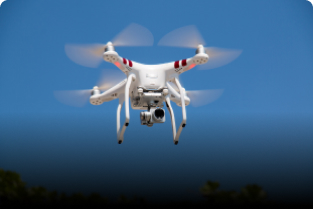
The drone industry is soaring—literally and figuratively. From aerial photography and delivery services to military applications and agricultural monitoring, drones are revolutionizing multiple sectors. With this rapid growth comes a rising demand for skilled professionals—especially drone engineers.
But what does it take to become a drone engineer? Let’s explore the educational path, key skills, and certifications needed to launch a successful career in this field.
Who Is a Drone Engineer?
A drone engineer designs, builds, tests, and maintains unmanned aerial vehicles (UAVs). Their responsibilities span multiple disciplines, including mechanical design, electronics, software development, and aerodynamics.
Educational Requirements to Become a Drone Engineer
1. Bachelor’s Degree (The Foundational Step)
Most drone engineers start with a bachelor’s degree in a relevant field. Common degree options include:
Aerospace Engineering
Mechanical Engineering
Electrical or Electronics Engineering
Computer Science or Engineering
Robotics Engineering
Mechatronics Engineering
These programs typically cover critical areas such as physics, circuit theory, control systems, computer programming, and design—forming a strong technical base.
2. Specialized Courses or Electives in UAV/Drone Technology
Some universities and engineering colleges now offer electives or modules on drone systems, avionics, and robotics. Choosing such electives during your undergraduate program can give you a competitive edge.
Advanced Education (Optional but Helpful)
3. Master’s Degree or Postgraduate Specialization
A master’s in aerospace engineering, robotics, or AI can enhance your expertise in drone-specific fields like:
Autonomous navigation
Machine learning for UAVs
Flight dynamics
Advanced propulsion systems
This is especially valuable for research, development, or leadership roles.
Certifications and Hands-On Training
While degrees provide theoretical knowledge, practical experience is crucial in drone engineering. Consider the following:
• Drone Pilot Certification
In many countries (including India and the U.S.), operating drones commercially requires a license from the aviation authority (DGCA in India, FAA in the U.S.).
• UAV Design and Programming Courses
Platforms like Coursera, edX, Udemy, and drone-specific academies offer hands-on courses in:
Drone assembly
Flight control programming
Autonomous navigation systems
Aerial mapping and imaging
• Internships or Projects
Working on drone-related projects during college, joining robotics clubs, or interning with drone startups helps build real-world experience and a portfolio.
Important Skills for Drone Engineers
To succeed in this field, you’ll need:
Proficiency in CAD and simulation tools (like SolidWorks, MATLAB)
Strong programming skills (Python, C++, ROS)
Understanding of aerodynamics and propulsion
Knowledge of embedded systems and microcontrollers
Teamwork, problem-solving, and analytical thinking
Final Thoughts
Becoming a drone engineer is both challenging and rewarding. With the right educational background—usually a bachelor’s in engineering—and some focused training in UAV technologies, you can enter this high-potential field. As drone applications continue to expand, so will the opportunities for skilled engineers who can drive innovation in the sky.