Does Kotlin Make Android Development Easier and Faster?

Kotlin has rapidly gained popularity among Android developers since Google announced it as an official language for Android development in 2017. Many developers praise its modern syntax, improved safety features, and enhanced developer experience. But does Kotlin truly make Android development easier and faster? Let’s explore.

1. Concise and Readable Code

One of Kotlin’s biggest advantages over Java is its concise syntax. With fewer lines of code, developers can achieve the same functionality that would take more effort in Java. This reduces boilerplate code, making the codebase more readable and maintainable, which in turn speeds up development.

2. Null Safety Features

Null pointer exceptions (NPEs) are a common source of crashes in Android applications. Kotlin’s built-in null safety system helps developers avoid these errors by enforcing nullable and non-nullable types at compile time. This significantly reduces runtime crashes and debugging time.

3. Interoperability with Java

Since many Android projects are still built with Java, migrating to Kotlin doesn’t mean starting from scratch. Kotlin is fully interoperable with Java, allowing developers to use both languages in the same project seamlessly. This smooth transition makes adopting Kotlin easier without completely discarding existing code.

4. Enhanced Development Speed with Coroutines

Handling asynchronous tasks in Android development is a complex process, often requiring callbacks and threads. Kotlin’s coroutines simplify asynchronous programming by providing an easy-to-use and efficient solution for managing background tasks. This results in cleaner, more maintainable code and faster development cycles.

5. Strong Community and Support

Kotlin has an active developer community and is backed by JetBrains and Google. Frequent updates, extensive documentation, and growing third-party libraries make it easier for developers to find solutions and keep up with best practices.

6. Improved App Performance

Kotlin’s features contribute to better app performance. Its modern runtime optimizations, including inline functions and efficient memory management, can lead to faster and more responsive applications.

Final Thoughts

Kotlin does make Android development easier and faster by reducing boilerplate code, improving safety, enhancing asynchronous programming, and offering seamless Java interoperability. While there is a learning curve for Java developers transitioning to Kotlin, the benefits make it a worthwhile investment for building modern Android applications. Whether you’re a beginner or an experienced developer, Kotlin can significantly enhance your Android development experience.

 

What Makes Web Development So Difficult to Learn?

Web development is a highly sought-after skill in the digital age, but for many beginners, it can feel like an uphill battle. While some people pick it up quickly, others struggle for months or even years before becoming proficient. So, what exactly makes web development so difficult to learn? Let’s break it down.

1. The Ever-Changing Landscape

Technology evolves rapidly, and web development is no exception. New frameworks, libraries, and best practices emerge constantly, making it difficult for beginners to keep up. HTML, CSS, and JavaScript remain the core technologies, but new tools like React, Vue.js, or Tailwind CSS frequently rise in popularity, requiring developers to stay updated.

2. The Overwhelming Number of Tools and Frameworks

One of the biggest challenges in web development is choosing the right tools. Should you use React or Angular? Tailwind or Bootstrap? Node.js or Django? The sheer number of choices can lead to analysis paralysis, making it hard to decide where to focus your learning.

3. Steep Learning Curve for JavaScript

JavaScript is essential for modern web development, but it has a reputation for being tricky to master. Concepts like asynchronous programming, closures, event loops, and the DOM can be confusing for beginners. Even experienced programmers from other languages often find JavaScript’s quirks challenging.

4. Understanding the Full Stack

Web development is divided into front-end and back-end development. While front-end focuses on the user interface (HTML, CSS, JavaScript), back-end involves server-side programming (Node.js, Python, PHP) and databases (SQL, MongoDB). Learning both requires mastering multiple technologies, making full-stack development particularly challenging.

5. Debugging and Problem-Solving Skills

Writing code is one thing, but debugging is another. New developers often struggle with fixing errors because they lack experience in reading error messages, using debugging tools, and understanding why the code is failing. This trial-and-error process can be frustrating and time-consuming.

6. Responsive Design and Browser Compatibility

Ensuring that a website looks good and functions properly on different devices and browsers is another difficult aspect of web development. Variations in screen sizes, resolutions, and browser rendering can create unexpected layout issues that require advanced CSS techniques and testing.

7. Security Concerns

Security is a crucial but often overlooked part of web development. Developers need to understand common security vulnerabilities like SQL injection, XSS (Cross-Site Scripting), and CSRF (Cross-Site Request Forgery) to protect their applications from attacks. Learning about security adds another layer of complexity to web development.

8. Project Complexity and Real-World Challenges

Building simple web pages is easy, but developing scalable, maintainable, and performant web applications is much harder. Real-world projects involve handling large datasets, optimizing performance, and maintaining code readability, which can be daunting for beginners.

How to Overcome These Challenges?

While web development is difficult, it’s not impossible to learn. Here are some tips to make the journey smoother:

  • Start with the Basics: Master HTML, CSS, and JavaScript before diving into frameworks.
  • Build Projects: Apply what you learn by creating small projects to reinforce concepts.
  • Stay Updated, but Focus: Keep up with trends, but don’t jump between too many technologies at once.
  • Join a Community: Engage with web development communities on forums, Discord, or Reddit.
  • Practice Debugging: Learn to read errors and use browser dev tools effectively.

Final Thoughts

Web development can be difficult to learn due to its ever-evolving nature, complex technologies, and the need for strong problem-solving skills. However, with patience, practice, and the right approach, anyone can master it. The key is persistence—keep coding, keep learning, and eventually, it will all start making sense.

Why Are AR and VR So Popular?

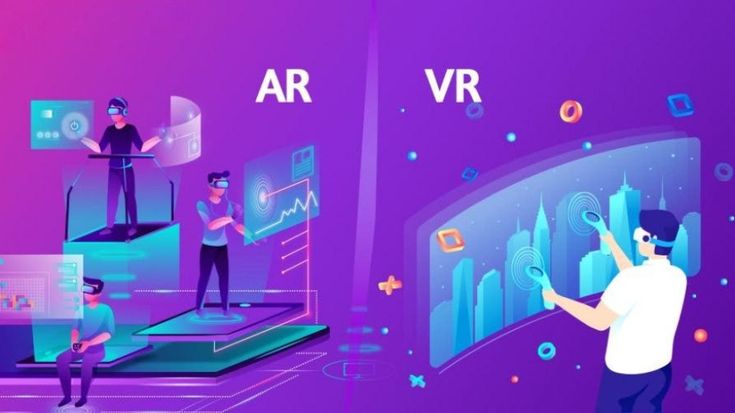
Augmented Reality (AR) and Virtual Reality (VR) have rapidly gained popularity across various industries, transforming how we interact with technology. From gaming and entertainment to healthcare and education, these immersive technologies are redefining experiences. But what exactly makes AR and VR so popular? Let’s explore the key factors driving their widespread adoption.

1. Enhanced User Experience

AR and VR offer highly immersive experiences that engage users in ways traditional screens cannot. Whether it’s exploring virtual worlds, trying on clothes virtually, or training in a simulated environment, these technologies provide an unparalleled level of interaction.

2. Growth of the Gaming and Entertainment Industry

One of the biggest contributors to AR and VR’s popularity is the gaming industry. Games like Pokémon GO (AR) and VR-based titles such as Beat Saber and Half-Life: Alyx have captivated users with their interactive and immersive gameplay, setting new standards for digital entertainment.

3. Revolutionizing Education and Training

AR and VR are transforming education by providing hands-on learning experiences. Medical students can practice surgeries in a virtual environment, and businesses can train employees using realistic simulations, improving learning outcomes and reducing risks.

4. Impact on E-Commerce and Retail

Brands are integrating AR into shopping experiences, allowing customers to visualize products before purchase. Companies like IKEA and Sephora use AR apps to let users see how furniture fits in their space or how makeup looks on their face, enhancing the buying experience.

5. Advancements in Healthcare

Healthcare professionals use AR and VR for diagnosis, therapy, and rehabilitation. VR is used for pain management, exposure therapy for phobias, and even assisting surgeons in performing complex procedures with precision.

6. Increased Accessibility and Affordability

With the development of cost-effective AR and VR devices like Oculus Quest, Microsoft HoloLens, and smartphone-based AR apps, these technologies are becoming more accessible to consumers and businesses alike, fueling widespread adoption.

7. The Rise of the Metaverse

The concept of the metaverse has further boosted AR and VR’s appeal. Tech giants like Meta (formerly Facebook) are investing heavily in creating virtual spaces where people can socialize, work, and play, making AR and VR essential components of the future digital landscape.

Conclusion

The popularity of AR and VR is driven by their ability to enhance experiences, improve training and education, revolutionize shopping, and even impact healthcare. As technology continues to evolve, we can expect even more innovative applications that will further solidify AR and VR’s place in our daily lives.


What is the General Salary Range of a Robotics Engineer?

Robotics engineering is a rapidly growing field that blends mechanical engineering, electrical engineering, and computer science to develop automated systems. As industries increasingly adopt automation, the demand for skilled robotics engineers continues to rise. If you’re considering a career in robotics engineering, understanding the salary expectations can help you make an informed decision.

Salary Range of a Robotics Engineer

1. Entry-Level Salary

Fresh graduates or entry-level robotics engineers typically earn between $60,000 to $85,000 per year. Factors such as educational background, internship experience, and skill proficiency in robotics programming (e.g., Python, ROS, C++) can influence starting salaries.

2. Mid-Level Salary

With 3 to 5 years of experience, robotics engineers can expect salaries in the range of $90,000 to $120,000 per year. Professionals with expertise in artificial intelligence, machine learning, and industrial automation often receive higher pay.

3. Senior-Level Salary

Experienced robotics engineers with 10+ years of expertise can command salaries of $130,000 to $180,000 or more. Those in leadership roles, research & development, or specialized areas like medical robotics and autonomous systems may earn even higher compensation.

Factors Affecting Salary

  1. Industry & Sector – Robotics engineers in sectors like aerospace, healthcare, and AI-driven automation tend to have higher salaries than those in manufacturing or consumer electronics.
  2. Geographical Location – Salaries vary based on location, with higher compensation offered in tech hubs like Silicon Valley, Boston, and Germany.
  3. Educational Qualification – A Master’s or PhD in robotics or a related field can lead to higher-paying job opportunities.
  4. Skills & Certifications – Expertise in AI, embedded systems, and mechatronics, along with certifications in robotics, can enhance earning potential.
  5. Employer Type – Working for top tech firms, government organizations, or research institutions can result in competitive salaries compared to startups or smaller firms.

Conclusion

A career in robotics engineering offers competitive salaries and growth opportunities, with earnings increasing based on experience, industry demand, and technical expertise. Whether you’re starting out or looking to advance, developing specialized skills in robotics and automation can help you secure high-paying roles in this exciting field.

Would you like recommendations on courses or certifications to boost your robotics career?

How Much Does a Drone Engineer in India Make?

The demand for drone engineers in India has been rising rapidly, driven by advancements in technology and increasing applications in defense, agriculture, surveillance, and logistics. If you are considering a career in drone engineering, understanding the salary prospects can help you make an informed decision.

Salary of a Drone Engineer in India

1. Entry-Level Salary

Freshers or entry-level drone engineers in India can expect to earn between INR 3.5 to 6 LPA (Lakhs Per Annum). Those with specialized skills in UAV (Unmanned Aerial Vehicle) design, aerodynamics, or robotics may command higher salaries.

2. Mid-Level Salary

Professionals with 3 to 5 years of experience can earn between INR 7 to 12 LPA. Engineers working with top drone manufacturing companies, defense contractors, or research organizations often see better pay.

3. Senior-Level Salary

Experienced drone engineers with over 10 years of expertise in UAV design, AI-driven drone applications, or aerospace technology can earn upwards of INR 15 to 30 LPA. Some professionals working in leadership roles or international firms may earn even more.

Factors Influencing Salary

  1. Industry & Employer – Government organizations like DRDO, private firms like ideaForge, and startups in drone technology offer varied salary packages.
  2. Educational Background – A degree in Aerospace Engineering, Robotics, or specialized UAV training can boost earning potential.
  3. Skills & Certifications – Additional certifications in drone piloting, AI applications, and aerodynamics enhance job prospects.
  4. Location – Salaries tend to be higher in metropolitan cities such as Bengaluru, Hyderabad, and Delhi, where tech and defense industries thrive.
  5. Project Experience – Hands-on experience with drone manufacturing, software integration, and real-world applications can significantly impact salary levels.

Conclusion

A career in drone engineering in India offers promising financial growth, especially with the expanding use of drones across industries. With the right skills, experience, and industry connections, drone engineers can secure lucrative positions and contribute to cutting-edge technological advancements.

Would you like guidance on courses or certifications to boost your drone engineering career?

What Schooling is Needed to Become a Fashion Designer?

Fashion designing is a dynamic and creative career that blends art, culture, and innovation. If you aspire to become a fashion designer, you might wonder what kind of schooling and training are necessary to succeed in this field. While talent and creativity play a significant role, formal education can provide the technical skills, industry knowledge, and professional network needed to thrive.

Educational Pathways for Fashion Designers

1. High School Preparation

Your journey to becoming a fashion designer can start as early as high school. If your school offers art, textile, or home economics classes, taking these can help you build foundational skills. Participating in sewing, sketching, and fashion-related extracurricular activities can also be beneficial.

2. Bachelor’s Degree in Fashion Design

Most aspiring fashion designers pursue a Bachelor’s degree in Fashion Design or a related field such as Fashion Merchandising or Textile Design. Common coursework in these programs includes:

  • Fashion Illustration – Learning how to sketch and develop design concepts.
  • Pattern Making & Draping – Understanding garment construction techniques.
  • Textile Science – Studying fabric properties and applications.
  • Sewing & Garment Construction – Developing hands-on skills for creating clothing.
  • Fashion Marketing & Merchandising – Gaining insights into the business side of fashion.
  • Computer-Aided Design (CAD) – Using technology for digital fashion design.

Popular fashion design schools include:

  • Parsons School of Design (USA)
  • Fashion Institute of Technology (FIT) (USA)
  • London College of Fashion (UK)
  • National Institute of Fashion Technology (NIFT) (India)
  • Istituto Marangoni (Italy)

3. Associate Degree or Diploma in Fashion Design

If you prefer a shorter study duration, an Associate degree or diploma in Fashion Design can be a good option. These programs typically last 1-2 years and focus on practical skills such as pattern making, sewing, and fashion business management.

4. Master’s Degree in Fashion Design (Optional)

For those who want to specialize further or pursue roles in high fashion, a Master’s degree in Fashion Design or Fashion Management can be advantageous. Advanced studies can help with leadership roles, brand development, and industry expertise.

Alternative Learning Paths

If formal schooling isn’t your preferred route, you can still become a fashion designer through self-learning, apprenticeships, and online courses. Platforms like Coursera, Udemy, and Skillshare offer fashion design courses that cover sketching, draping, and branding. Interning with established designers or working in fashion retail can also provide hands-on experience.

Key Takeaways
  • While a formal degree in fashion design is beneficial, creativity, persistence, and hands-on experience matter just as much.
  • High school students should focus on art, sewing, and textiles to build early skills.
  • Diploma programs offer a quicker entry into the industry compared to four-year degrees.
  • Online courses and internships can supplement formal education or serve as an alternative learning path.

Whether you choose a structured academic route or a self-taught approach, passion, innovation, and a keen eye for trends are essential to succeed as a fashion designer. With the right skills and dedication, you can make a mark in the ever-evolving world of fashion!

How to Earn Extra Money as a Graphic Designer

Graphic design is a versatile and in-demand skill that offers multiple opportunities for earning extra income. Whether you’re a beginner or an experienced designer, there are various ways to monetize your creativity and skills. Here are some of the best ways to earn extra money as a graphic designer.

1. Freelancing on Platforms like Upwork and Fiverr

Freelancing is one of the easiest ways to earn extra money. Platforms like Upwork, Fiverr, and Freelancer allow you to showcase your skills and connect with clients looking for design services. You can offer services such as logo design, social media graphics, and website design.

2. Sell Design Templates and Assets

Create and sell design templates, UI kits, or graphic assets on marketplaces like Envato Elements, Creative Market, and Adobe Stock. Businesses and other designers often look for ready-made templates, making this a great passive income source.

3. Start a Print-on-Demand Business

Use your designs to create custom T-shirts, posters, mugs, and other merchandise. Platforms like Redbubble, Teespring, and Printful allow you to upload your designs and earn a commission on every sale without managing inventory.

4. Create and Sell Digital Products

Design and sell digital products like e-books, social media templates, icon packs, and branding kits. Selling on platforms like Gumroad, Etsy, or even your own website can help you generate steady income.

5. Offer Design Courses or Tutorials

If you have advanced skills, consider creating online courses or tutorials. Platforms like Udemy, Skillshare, and YouTube allow you to share your expertise and earn passive income through course enrollments and ad revenue.

6. Work on Local and Small Business Projects

Reach out to local businesses, startups, and entrepreneurs who need design services. Many small businesses require logos, business cards, flyers, and branding materials but may not have an in-house designer.

7. Participate in Design Contests

Websites like 99designs and DesignCrowd host design contests where you can compete to win cash prizes. While competitive, winning a few contests can build your reputation and portfolio.

8. Monetize Your Social Media Presence

If you have a strong following on Instagram, Pinterest, or Behance, you can monetize your social media by partnering with brands, selling your designs, or offering custom design services.

9. Create a Blog or YouTube Channel About Design

Starting a blog or YouTube channel about graphic design tips, trends, and tutorials can help you earn through ad revenue, sponsorships, and affiliate marketing.

10. License Your Work

Sell your designs for commercial use by licensing them on stock image and vector platforms like Shutterstock, Adobe Stock, and Freepik. You earn royalties every time someone purchases your work.

Conclusion

Earning extra money as a graphic designer requires creativity, marketing skills, and persistence. Whether you choose freelancing, selling digital assets, or starting a print-on-demand business, there are numerous ways to turn your passion for design into a profitable side hustle. Explore different options and find what works best for you!

Essential Skills to Become a Great UI/UX Designer

UI/UX design is a dynamic field that blends creativity, psychology, and technology to create seamless and engaging user experiences. Whether you’re starting out or looking to enhance your expertise, mastering key skills is crucial for becoming a great UI/UX designer. Here are the essential skills you need:

1. User Research and Empathy

Understanding users’ needs, behaviors, and pain points is at the heart of UI/UX design. Conducting user research, analyzing data, and developing user personas help in crafting experiences that truly resonate with the audience.

2. Wireframing and Prototyping

Creating wireframes and prototypes is essential for visualizing the structure and flow of a design before final implementation. Tools like Figma, Adobe XD, and Sketch help in crafting interactive prototypes that allow for user testing and feedback.

3. Information Architecture

A well-structured information hierarchy ensures that users can navigate a product effortlessly. Understanding content organization, navigation design, and usability principles is crucial for building intuitive interfaces.

4. Visual Design and Typography

A strong sense of aesthetics, color theory, and typography is vital for UI designers. Creating visually appealing designs that align with branding and accessibility guidelines enhances user engagement.

5. Interaction Design and Microinteractions

Understanding how users interact with interfaces improves the overall experience. Microinteractions, animations, and responsiveness add to a product’s usability and delight users with intuitive feedback.

6. Usability Testing and Feedback Implementation

A great UI/UX designer continually refines their work through usability testing. Gathering real-world feedback, conducting A/B testing, and iterating designs ensure a product meets user expectations.

7. Coding Knowledge (HTML, CSS, JavaScript Basics)

While not mandatory, understanding basic coding principles can bridge the gap between design and development. Knowing HTML, CSS, and JavaScript allows designers to communicate effectively with developers.

8. Collaboration and Communication

UI/UX design is a collaborative field requiring teamwork with developers, product managers, and stakeholders. Strong communication skills help in presenting ideas, defending design decisions, and ensuring alignment with business goals.

9. Problem-Solving and Critical Thinking

Designers must approach challenges analytically, balancing user needs and business objectives. Creative problem-solving and critical thinking skills enable designers to build solutions that are both functional and aesthetically pleasing.

10. Adaptability and Continuous Learning

The UI/UX field is constantly evolving with new tools, trends, and technologies. Staying updated, learning new skills, and being open to feedback help designers remain competitive in the industry.

Conclusion

Becoming a great UI/UX designer requires a mix of technical expertise, creativity, and a user-centric mindset. By mastering these essential skills, you can craft engaging digital experiences that make a lasting impact. Keep learning, iterating, and refining your craft to excel in this ever-evolving field!

Fascinating Facts About Human Psychology

Human psychology is a vast and intriguing field that helps us understand why people think, feel, and behave the way they do. From cognitive biases to emotional intelligence, psychology shapes our everyday experiences. Here are some fascinating facts about human psychology that might surprise you!

1. Your Brain Can Trick You With False Memories

Memories are not as reliable as we think. Studies show that our brains reconstruct memories rather than replaying them exactly. This means that details can be altered or even completely fabricated without us realizing it.

2. First Impressions Form Within Seconds

It takes just 7 seconds to form a first impression of someone. Your brain rapidly assesses their facial expressions, body language, and tone of voice to make judgments that can be difficult to change later.

3. People Remember Emotion Over Detail

We tend to remember how something made us feel rather than the specific details of an event. This is why emotional experiences, both positive and negative, leave a lasting impression.

4. Your Subconscious Mind Influences Most of Your Decisions

A large portion of our decision-making happens unconsciously. Psychological research suggests that our subconscious processes influence up to 95% of our daily decisions without us being fully aware of them.

5. The Power of the Placebo Effect

The placebo effect proves that the mind can influence the body’s physical response. When people believe they are receiving real treatment (even if it’s just a sugar pill), their symptoms can improve purely because of their expectations.

6. Social Rejection Feels Like Physical Pain

Brain scans show that experiencing social rejection activates the same brain regions associated with physical pain. This explains why rejection can feel so emotionally and physically distressing.

7. Dopamine Plays a Major Role in Motivation

Often called the “feel-good” neurotransmitter, dopamine is not just about pleasure—it’s crucial for motivation and goal-setting. Low dopamine levels can lead to a lack of drive and enthusiasm.

8. Mirror Neurons Help Us Empathize

Mirror neurons in our brains activate when we observe others’ emotions or actions, helping us understand and empathize with them. This is why we feel sad when we see someone crying or smile when we see someone else smile.

9. Your Mind Wanders About 47% of the Time

Studies have found that the average person’s mind is wandering almost half of the time. This can impact focus and productivity, but it also plays a role in creativity and problem-solving.

10. People Are More Likely to Conform Than They Think

Humans have a natural tendency to conform to social norms, even when they know something is wrong. The famous Asch conformity experiments showed that people often go along with the group, even against their own judgment.

Conclusion

Human psychology is full of intriguing and sometimes unexpected insights into how we think, feel, and behave. Understanding these psychological facts can help us make better decisions, improve our relationships, and enhance our overall well-being. The more we learn about psychology, the better we can understand ourselves and others!

Can Someone Who Studied Biotechnology & Genetic Engineering Master Themselves in Nanotechnology?

Nanotechnology is an interdisciplinary field that merges physics, chemistry, biology, and engineering to manipulate materials at the molecular and atomic levels. Given the rapid advancements in nanotechnology and its applications in medicine, biotechnology, and genetic engineering, a pressing question arises: Can someone who has studied biotechnology and genetic engineering master themselves in nanotechnology?

Understanding the Overlap Between Biotechnology, Genetic Engineering, and Nanotechnology

1. Common Scientific Foundations

Biotechnology, genetic engineering, and nanotechnology share a fundamental scientific base, including molecular biology, chemistry, and physics. Biotechnologists and genetic engineers are already proficient in working with biomolecules such as DNA, RNA, and proteins, which are key components in bionanotechnology.

2. Applications of Nanotechnology in Biotechnology

Nanotechnology has made significant contributions to biotechnology, especially in:

  • Drug Delivery Systems: Nanoparticles can be used to deliver drugs and genetic material precisely to target cells.
  • Gene Therapy: Nano-carriers help in the efficient delivery of genetic modifications.
  • Bio-imaging: Nano-based imaging tools enhance medical diagnostics and research.
  • Tissue Engineering: Nanomaterials support the development of biocompatible scaffolds for regenerative medicine.

3. Skill Transferability

Biotechnologists and genetic engineers already possess expertise in molecular biology techniques, bioinformatics, and biomaterial interactions, which are essential in nanotechnology research. Their familiarity with biological systems provides them with an edge in applying nanotechnology for medical and biotechnological purposes.

Steps to Transition Into Nanotechnology

1. Acquiring Theoretical Knowledge

To gain expertise in nanotechnology, one must develop an understanding of nanoscale physics, nanomaterials, and nanofabrication techniques. This can be achieved by:

  • Enrolling in online courses on nanotechnology from platforms like Coursera, edX, or MIT OpenCourseWare.
  • Reading research papers and textbooks on nanomaterials and their biological applications.

2. Developing Practical Skills

Hands-on experience is crucial in mastering nanotechnology. A few ways to gain practical knowledge include:

  • Participating in laboratory research projects involving nanomaterials.
  • Attending workshops and training programs focused on nanotechnology applications in medicine and biotechnology.
  • Learning computational techniques such as molecular modeling and simulations used in nanobiotechnology.

3. Pursuing Higher Education or Research Opportunities

A master’s degree or Ph.D. in nanotechnology, nanobiotechnology, or biomedical nanotechnology can provide in-depth expertise. Research collaborations with nanotech-focused laboratories can also be beneficial.

4. Networking with Experts in the Field

Engaging with professionals and researchers in nanotechnology through academic conferences, online forums, and professional associations like the International Society for Nanomedicine can help in gaining insights and career guidance.

Conclusion

Yes, someone with a background in biotechnology and genetic engineering can successfully transition into and master nanotechnology. The foundational knowledge in molecular biology and bioengineering provides a strong starting point. By acquiring additional knowledge in nanomaterials, practical lab experience, and engaging in research, biotechnologists and genetic engineers can make significant contributions to the field of nanotechnology.

Form submitted! Our team will reach out to you soon.
0
    0
    Your Cart
    Your cart is emptyReturn to Course